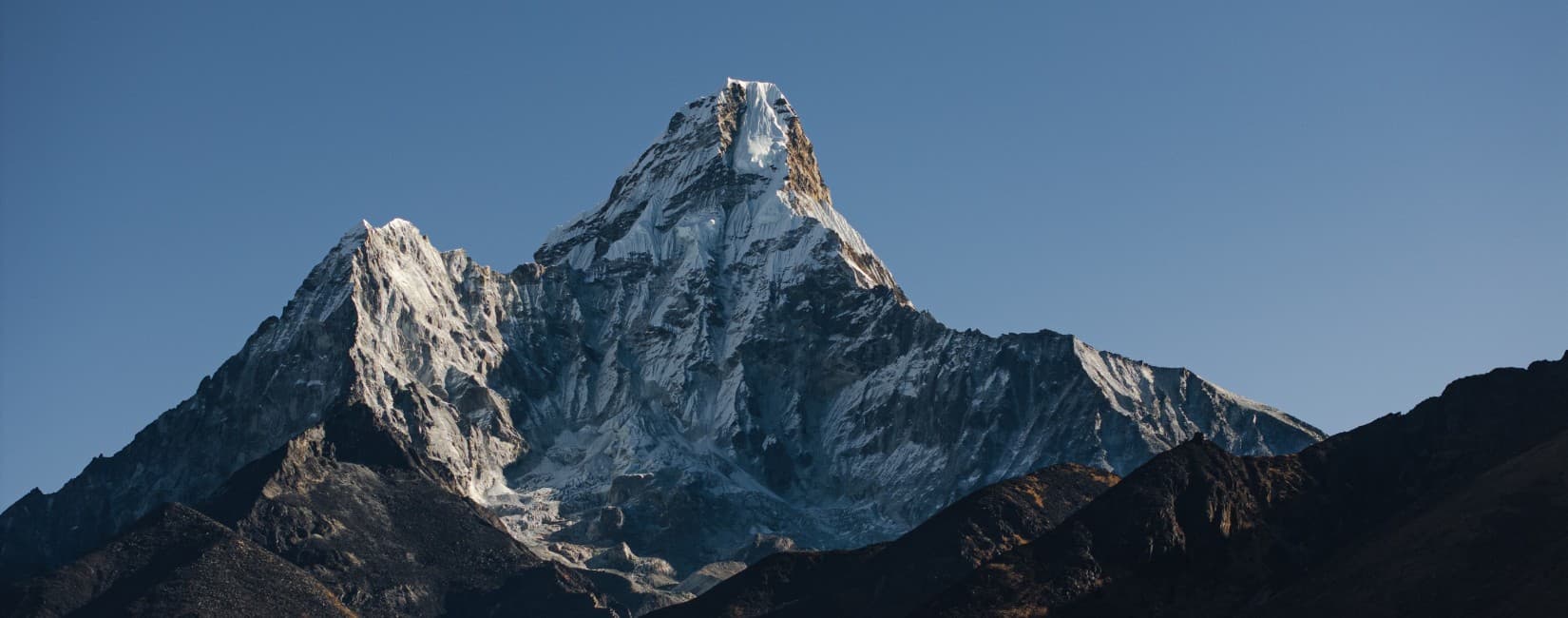
Not every mountain in Nepal is meant for trekkers, and the Ama Dablam Expedition is one of those climbs that immediately makes that clear. The moment you look at it, you can tell it's not just another peak.
The peak is sharp, exposed, and honestly a bit intimidating in the best way possible. This is the kind of mountain that earns respect before you even step on the route.
Located in the Everest Region, this isn't a trekking journey; it's a proper Himalayan climbing expedition in Nepal. You're dealing with steep ridges, fixed ropes, rock sections, and high-altitude exposure that demands real focus. From base camp all the way up, every part of the climb feels technical and requires you to be prepared, both physically and mentally.
In this guide, we'll walk through everything you actually need to know before thinking about this climb, such as:
- Its route
- How difficult it really is
- What it costs
- How to prepare for it the right way
If you've been thinking about stepping beyond trekking and into real mountaineering, this is where things start getting serious.
Why Choose The Ama Dablam Expedition
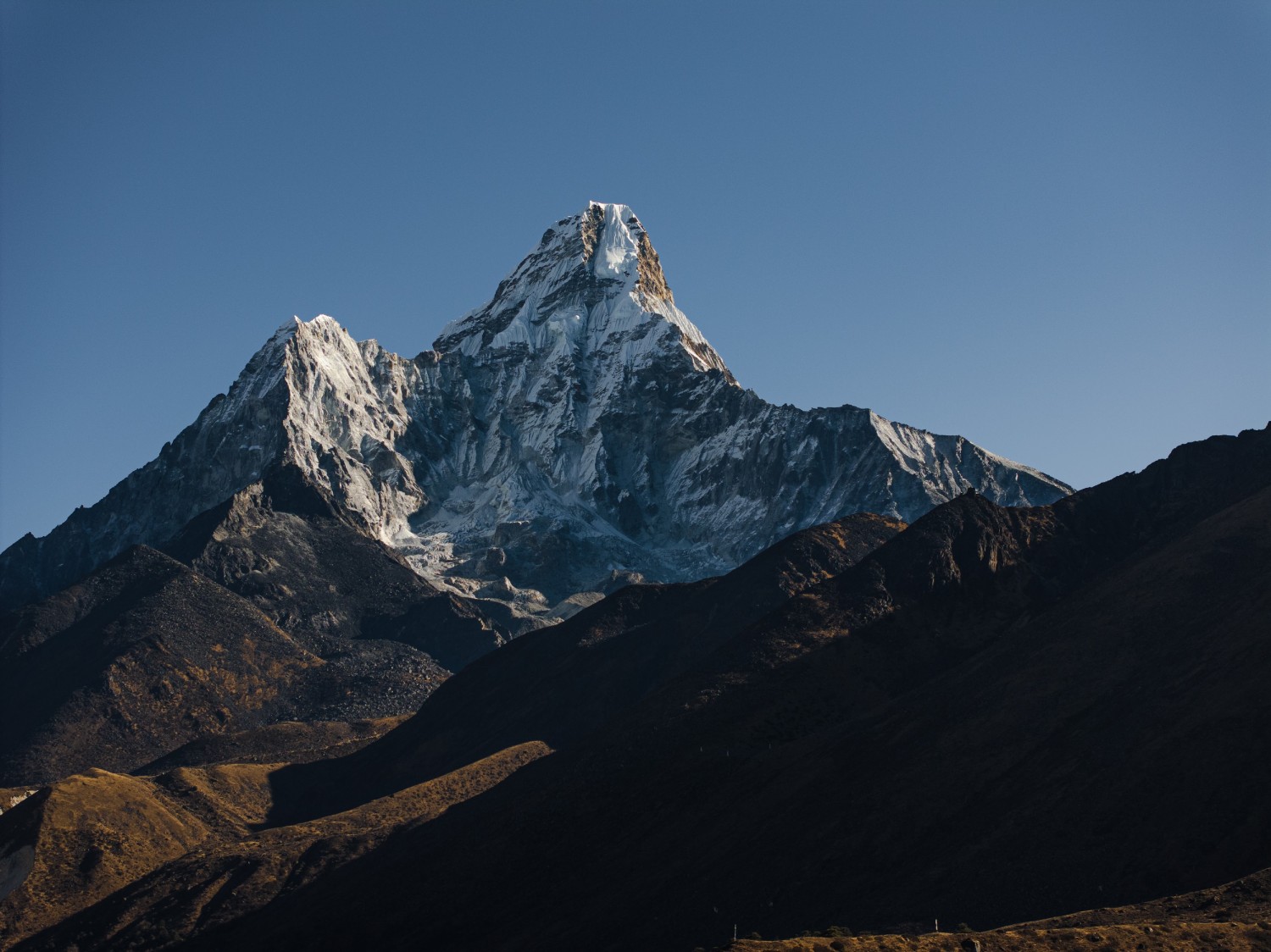
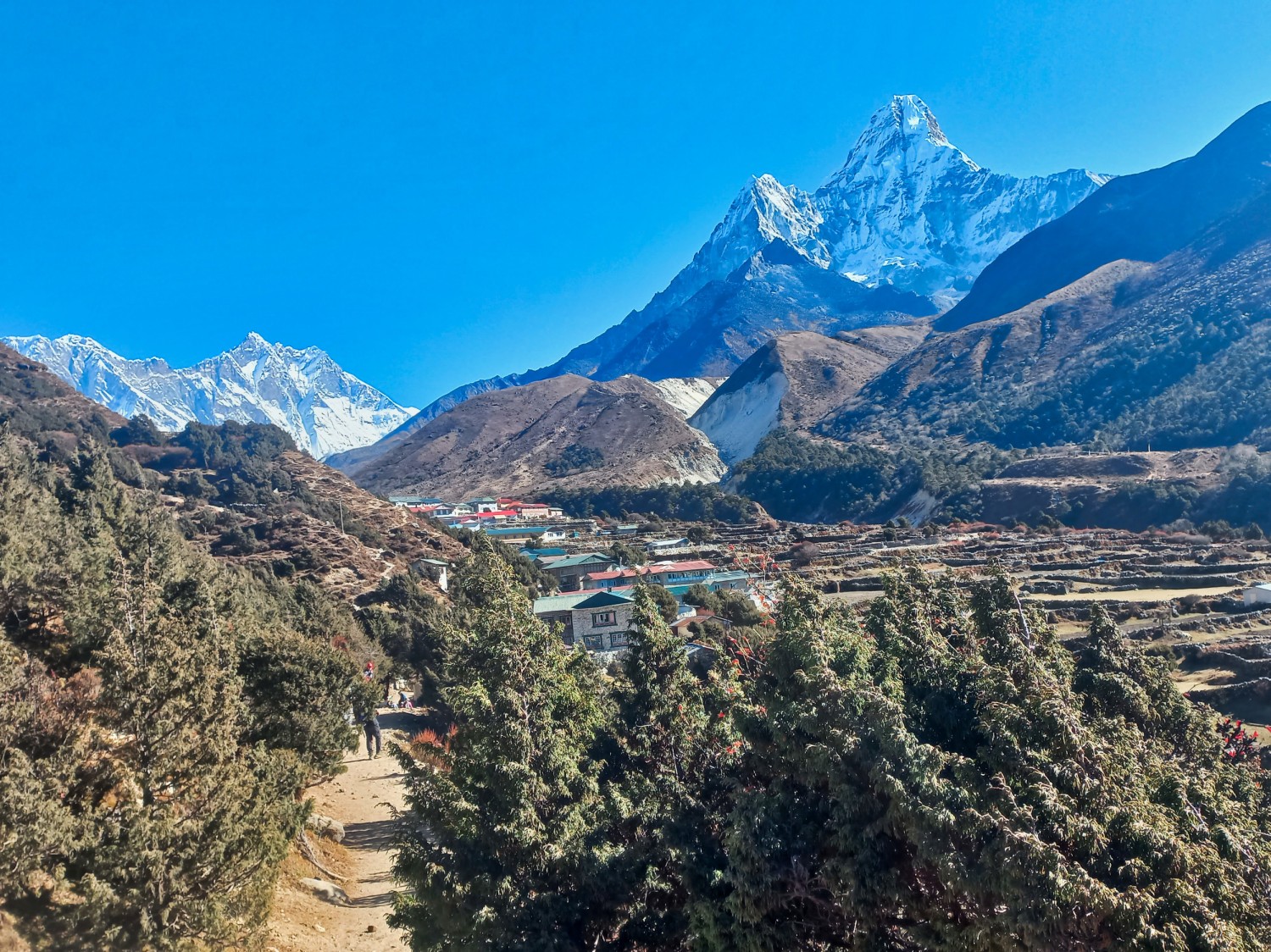
There's a reason why Ama Dablam is often called one of the most beautiful mountains in the world. Its sharp, perfectly shaped peak stands out even in the middle of the Himalayas.
But what really makes it special is that it attracts climbers, not tourists. People don't come here just for views; they come for the challenge, the experience, and the reputation that comes with it. That's where the real benefits of the Ama Dablam Expedition begin to show.
The climb itself is what makes it unforgettable. It's technical, no doubt, but not impossible if you're prepared.
You'll be moving through a mix of rock, ice, and snow, using fixed ropes and proper climbing techniques along exposed ridges. This is what real technical climbing in Nepal's Himalayas feels like: every step demands focus, but at the same time, it's incredibly rewarding.
And in the end, this isn't just about reaching the summit. It's about proving something to yourself.
Climbing Ama Dablam feels like crossing a line from trekking into real mountaineering. The peak is the kind of achievement that stays with you, because it's not just another peak; it's a statement.
Climbing Route Overview
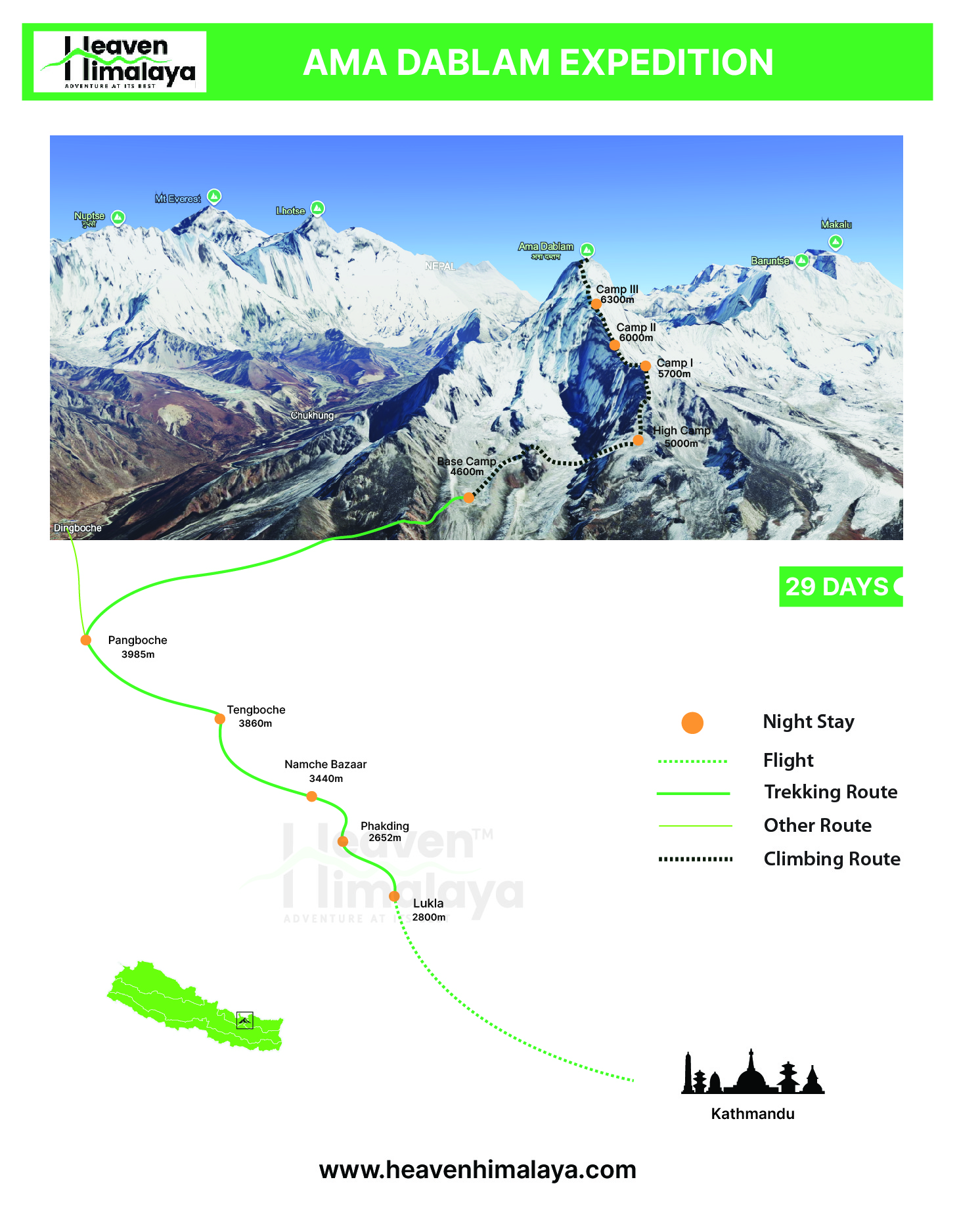
The route of the Ama Dablam Expedition follows its classic southwest ridge, which is the most popular and well-established line to the summit. However, don't let that fool you; it's still a serious and technical climb.
Base Camp (4,600 m/15,091 ft)
This is where everything starts: comfortable camp, training, and getting used to the altitude before heading higher.
Challenge: Not technical yet, but your body is already adjusting to thinner air.
Camp I (5,700 m/18,701 ft)
You move onto mixed terrain with rocky sections and narrow ridges that start to feel exposed.
Challenge: The exposure kicks in here, and balance becomes important on tighter sections.
Camp II (6,000 m/19,685 ft)
This is where the climb gets properly technical, with steep rock sections and fixed ropes guiding the way.
Challenge: Vertical climbing and sections like the Yellow Tower demand full focus.
Camp III (6,300 m / 20,669 ft)
Higher up, the terrain shifts more into snow and ice, right below the hanging glacier.
Challenge: It's exposed and not the safest place to stay long, so many climbers move quickly through.
Summit (6,812 m/22,349 ft)
The final push is a mix of steep snow and narrow ridges leading to the top.
Challenge: Thin air, long hours, and sustained exposure makes summit day the toughest part.
This expedition isn't just about going up; it's about staying steady, managing exposure, and keeping your focus through every section of the climb.
Difficulty & Technical Requirements
Let's be clear from the start, the Ama Dablam Expedition is graded TD (Trs Difficile/Very Hard) in difficulty. It's not for beginners.
This is a proper technical climb, not a trekking peak that you can just walk up to. The route involves steep sections, exposed ridges, and real mountaineering challenges that demand both skill and experience.
To climb this mountain, you need to be comfortable with fixed rope climbing, using crampons and an ice axe, and moving confidently on mixed terrain (rock, ice, and snow). Previous high-altitude experience is a big plus, because your body needs to handle not just the technical side, but also the thin air and long climbing days.
This is where technical mountaineering in Nepal really comes into play. It's about knowing what you're doing, not just pushing through.
As for who should attempt it, experienced trekkers alone? Not really. Actually, beginner climbers can also try, but only if they've had proper training beforehand.
Ideally, you should already have experience on a 6,000-meter peak or similar climbs. That kind of background makes a huge difference when you're dealing with exposure and technical sections at high altitude.
Physical Fitness & Training
For this climb, fitness isn't just helpful, it's essential. The training for the Ama Dablam Expedition needs to focus on both endurance and strength, because you'll be climbing for long hours at high altitude while carrying gear. It's not about short bursts of energy; it's about staying strong and steady day after day.
In terms of training, keep it practical. Build your cardio with activities like hiking, running, or stair climbing, anything that mimics long uphill movement.
Add strength training for your legs and core, since that's what keeps you stable on steep and exposed sections. If you can, try to get some altitude exposure beforehand, even smaller peaks, because that plays a huge role in overall fitness for high-altitude climbing.
And one thing people often overlook is mental strength. There'll be moments when you're tired, cold, and moving slowly on a rope with a drop beside you. Staying calm, focused, and patient matters just as much as physical fitness on a climb like this.
Best Time For Ama Dablam Expedition
When it comes to choosing the best time to climb Ama Dablam, timing really matters more here than in trekking. Weather, route conditions, and safety all depend on the season you pick.
Autumn
Autumn (September to November ) is the main climbing season, and honestly, the best choice for most climbers. The weather is more stable, the skies are clearer, and the route is usually well prepared with fixed ropes by expedition teams.
This is why autumn climbing in the Everest region is so popular. It gives you the most reliable window for a safe and successful summit.
Spring
Spring (March to May) is a secondary option. It's still climbable, and some teams do go during this time, but conditions can be a bit less predictable compared to autumn. Still, for experienced climbers, it's a workable alternative./p>
Winter & Monsoon
Winter (December to February) and monsoon (June to August) are generally not recommended. Winter brings extreme cold and harsh winds, making climbing much riskier, while monsoon means heavy snowfall, unstable conditions, and poor visibility. In short, not ideal for a technical climb like Ama Dablam.
Expedition Cost
Let's be real, the cost of the Ama Dablam Expedition is on the higher side. This isn't a regular trek; it's a full-scale climbing expedition, so you're looking at a serious investment. On average, most climbers spend somewhere around USD 7,000 to 12,000, depending on the level of service and support they choose.
A big part of that cost goes into permits, experienced guides, and all the technical gear needed for the route. On top of that, there are logistics like fixed ropes, base camp setup, food supplies, and sometimes oxygen support. All of this combined shapes the overall cost of the climbing expedition in Nepal, especially for a technical peak like Ama Dablam.
But in the end, you're not just paying for the climb, you're paying for safety, proper logistics, and expert support in a high-risk environment. And honestly, on a mountain like this, that's exactly where your money should go.
Accommodation & Expedition Life
Life during the climb is very different from trekking. It all starts at base camp.
The setup at Ama Dablam Base Camp is actually quite organised; you'll have proper tents for sleeping, a dining tent, a kitchen support, and a team managing logistics. It's comfortable in a mountain way, and this is where you rest, eat well, and prepare for rotations higher up.
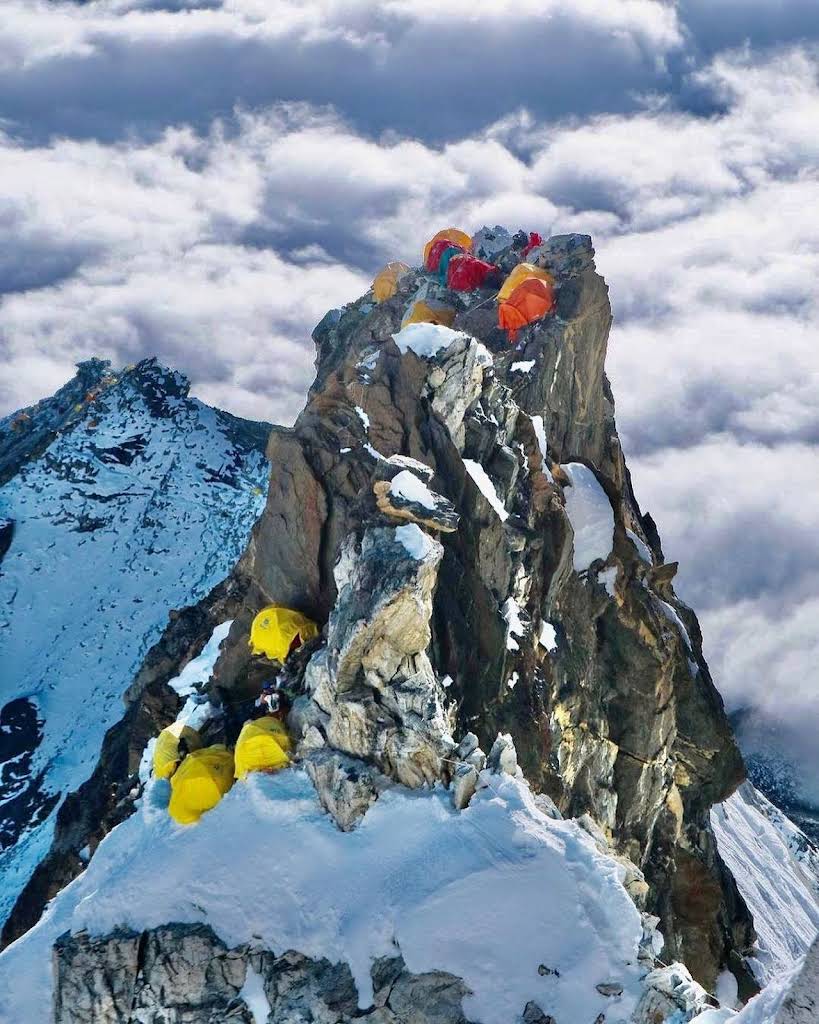
Once you move above base camp, things change quickly. The higher you go, the more basic it gets. Camps are set on narrow ledges or exposed ridges, and space is limited. These expedition camps at high altitude aren't about comfort; they're about survival, efficiency, and getting proper rest before the next push.
And the daily routine becomes very simple: eat, climb, rest, repeat. You wake up early, move when conditions are right, come back, recover, and prepare for the next rotation. It isn't glamorous, but that's what makes the whole experience feel real.
Permits & Regulations
For this climb, you'll need an official permit for climbing Ama Dablam issued by the Government of Nepal. This is the main requirement for any expedition in the Himalayas, and it's part of the broader Nepal mountaineering permit system that controls and manages climbing activities in the region.
There's also a liaison officer assigned by the government for expedition teams. You don't really interact much day-to-day, but they're part of the official process and help ensure everything runs as per regulations.
Along with that, there are basic environmental rules you're expected to follow, like managing waste properly and keeping the mountain clean. It's pretty straightforward, and most of this is handled by your expedition company, so you can focus more on the climb itself.
Risks & Safety
Let's be honest, the risks of climbing Ama Dablam are real, and that's part of what makes this adventure serious. You're dealing with exposed ridges where a slip can be dangerous, sections where avalanches or icefall are possible, and, of course, the effects of high altitude as you go higher.
It's not something to take lightly. Nevertheless, it's also not something to fear if approached the right way.
This is exactly why having a strong guide and team matters so much. An experienced Sherpa guide, proper route setup, and good coordination can make a huge difference. You're not just relying on yourself; you're part of a system that's built around safety and experience.
Good safety for climbing at high altitude comes down to doing the basics right. Using fixed ropes properly, taking enough time to acclimatise, and most importantly, making smart decisions like knowing when to continue and when to turn back. On a mountain like this, safety isn't about being fearless; it's about being aware and prepared.
Who's This Expedition For
If you already have solid high-altitude experience, this climb can be a natural next step. Experienced climbers who've done technical peaks or similar challenges will feel more at home on the route, especially with exposure, fixed ropes, and mixed terrain. For this group, understanding who can climb Ama Dablam usually comes down to confidence on steep and technical ground.
For mountaineering learners, it's still possible, but only with proper training and preparation. If you've been building skills on smaller peaks, learning rope systems, and getting familiar with alpine conditions, this expedition can be your next big goal.
Having some real mountaineering experience in Nepal by climbing 6000 m+ peaks makes a huge difference here. However, for casual trekkers, this is not the right starting point. Ama Dablam isn't a trekking peak, and it's not meant for first-time adventurers.
It demands technical ability, physical strength, and mental focus. It's better to build experience first and come back when you're truly ready for a climb of this level.
Conclusion
The Ama Dablam Expedition is one of those rare things in the Himalayas that sits perfectly between beauty and challenge. It's technical, exposed, and demanding, but at the same time, it's also one of the most elegant and iconic climbs you'll ever see. From its sharp ridges to the final summit push, everything about this mountain feels earned, not given.
If this kind of Himalayan summit experience in Nepal sounds like what you're looking for, the next step is to simply start planning it properly. You can inquire about the expedition, talk to experienced guides, or explore our available packages to understand what fits your level and goals. When you're ready, Ama Dablam is waiting, but only for those who are truly prepared for it.