Packing for a Himalayan trek can feel confusing, especially when you're looking at a long packing list for the Annapurna Base Camp Trek and trying to figure out what actually matters. Most first-time trekkers struggle with the same thing: either they overpack and end up carrying unnecessary weight, or they underpack and miss important gear needed on the trail.
If you're a beginner, it's easy to get overwhelmed by all the advice available on trekking gear in Nepal. But the truth is, you don't need to carry everything, just the right things that make your trek comfortable and manageable.
In this guide, we'll keep it simple and practical. You'll learn what essentials to pack, what you can skip, and a few smart tips to avoid common mistakes before you hit the trail. However, do yourself a favour, check our complete Annapurna Base Camp Trek Guide before you start packing.
What To Pack For Annapurna Base Camp Trek (Quick Overview)
When it comes to your gear list for the ABC Trek, the key is to keep things simple and practical. You'll mainly need a good balance of layers to handle changing temperatures, a few essential items for daily use, and gear that keeps you comfortable on the trail.
Think in terms of packing basics for trekking: warm layers for higher altitude, lightweight clothing for daytime walking, and a few must-have essentials such as proper shoes, a backpack, and personal items. The goal isn't to carry more, but to carry smart.
Also, remember that packing light makes a huge difference. The less unnecessary weight you carry, the more enjoyable your trek becomes. Now, let's break everything down in detail so you know exactly what to bring and what you can skip in the sections below.
Clothing Essentials (Layering Is Key)
The main goal of clothing for the Annapurna Base Camp Trek is to stay comfortable in changing weather. One moment it's warm while walking, and the next it gets cold as you gain altitude or stop for a break. That's why layering for trekking is so important instead of carrying heavy, bulky clothes.
You don't need a huge wardrobe for this journey, just the right combination of layers that you can easily add or remove. Keeping it simple and practical will make your adventure much more comfortable.
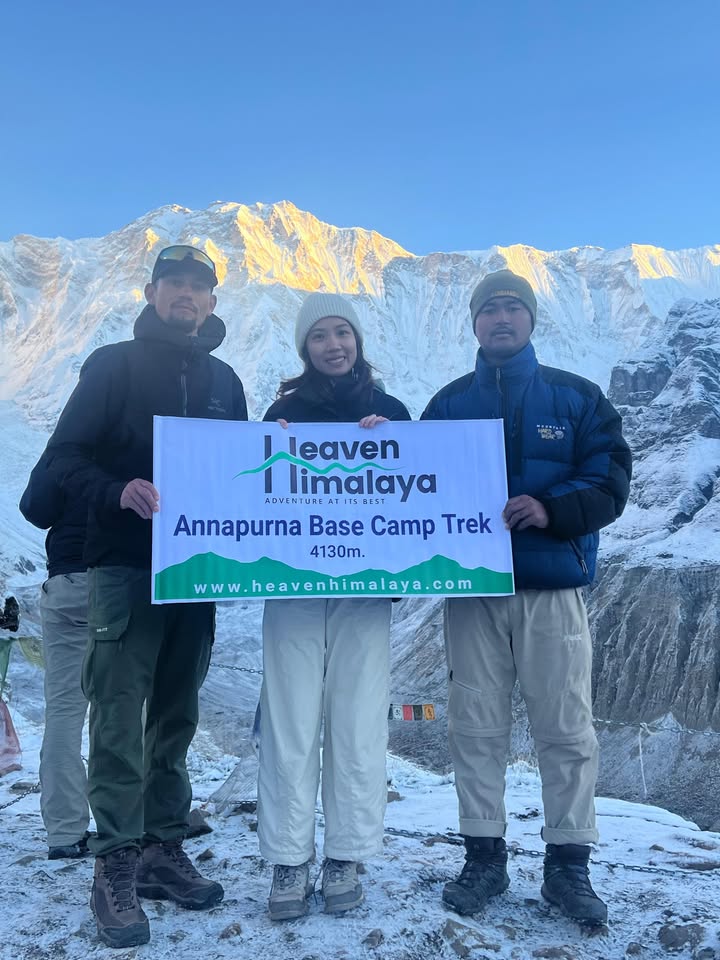
Below is the list of essential clothing required for trekking to the Annapurna Base Camp:
- Base Layer (Thermal Top & Bottom): Keeps your body warm and helps manage sweat, especially in colder sections.
- Mid Layer (Fleece or Light Jacket): Adds insulation and keeps you warm during early mornings and evenings.
- Down Jacket (Insulation Layer): A must-have for higher altitudes and cold nights.
- Outer Layer (Waterproof/Windproof Jacket): Protects you from wind, rain, and sudden weather changes.
- Trekking Pants (2 to 3 pairs): Lightweight, quick-drying, and comfortable for long walking days.
- Thermal Innerwear (for night): Helps you stay warm in teahouses at higher elevations.
- T-shirts (2 to 3, moisture-wicking): Good for daytime hiking when it's warmer.
- Warm Hat/Beanie: Essential for cold mornings and evenings.
- Gloves (light + warm pair): Keep your hands protected from cold, especially at higher elevations.
- Buff/Neck Gaiter: Useful for dust, cold wind, and sun protection.
The key is simple: layer smart, not heavy.
Footwear & Accessories
When hiking at a higher altitude, footwear plays a significant role, as your feet do most of the work on the trail. It doesn't matter how you look at those boots; comfort matters way more than style.
Good footwear can literally decide how enjoyable your journey feels, especially on long walking days and steep stair sections. Consequently, trekking shoes for the ABC Trek are probably one of the most important parts of your packing list.
Along with shoes, a few basic accessories for trekking in Nepal, such as gloves, sunglasses, and proper socks, make a big difference in your overall comfort. And one simple rule is, don't bring new shoes for the trek. Always use something already broken in because blisters can ruin your experience in the first few days.
Here are some footwear and accessories you need:
- Trekking boots (waterproof, broken-in): Strong grip, ankle support, and already used before the trek (never new).
- Trekking socks (2 to 4 pairs): Warm, cushioned socks to prevent blisters and keep feet comfortable.
- Light and warm gloves: One for daytime comfort, and one for cold mornings and high altitude.
- Sunglasses (UV protected): Protect your eyes from strong mountain sun and snow reflection.
- Gaiters (Optional): Useful in muddy or snowy sections to keep dirt out of your boots.
In short, if your feet are happy, your whole trek feels easier.
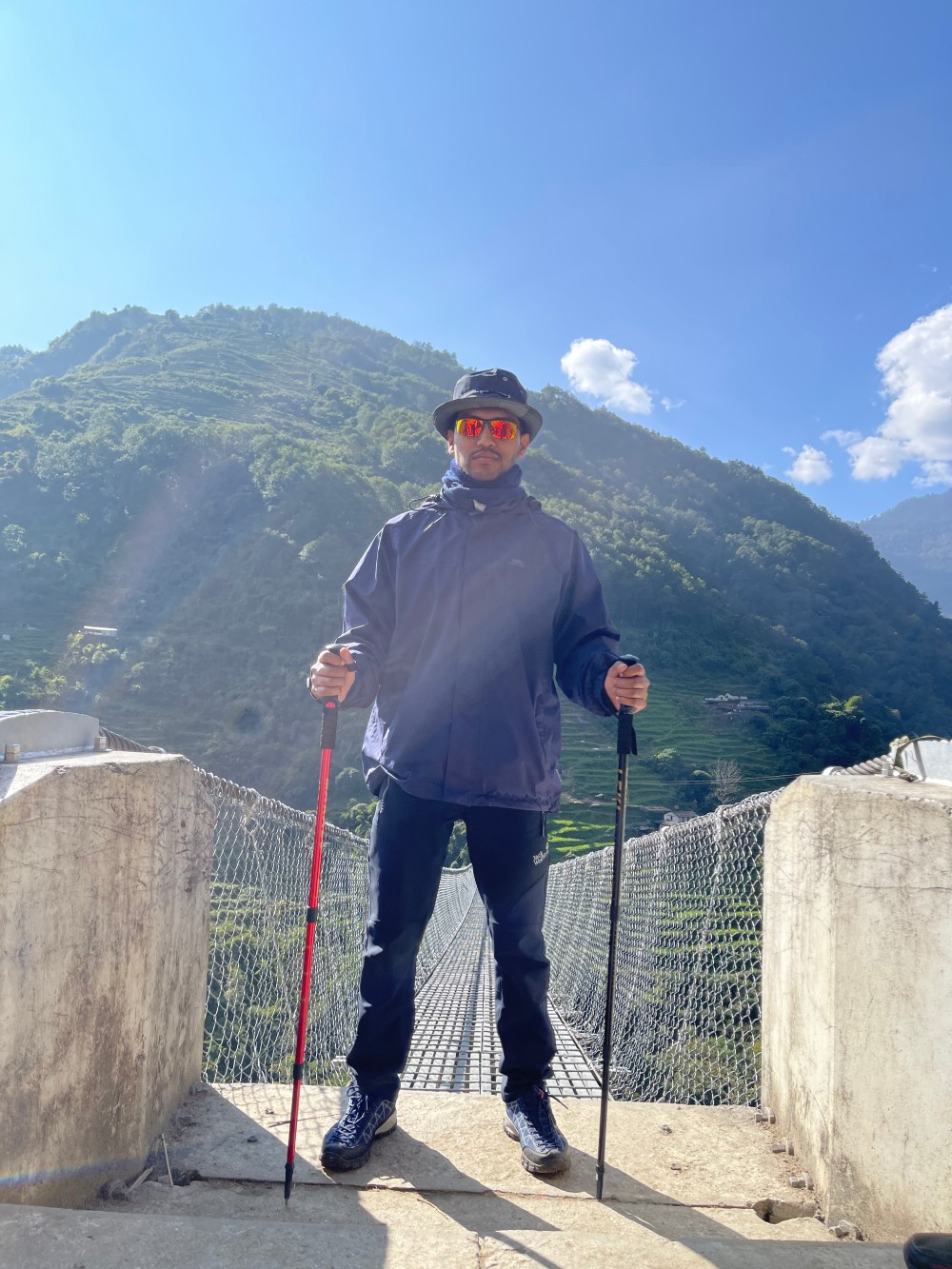
Backpack & Gear
When people start planning their backpack for the Annapurna Base Camp Trek, they usually make the same mistake; they think they need to carry a lot. In reality, the Himalayas quickly teach you the opposite.
The less you carry, the easier every uphill step feels. That's why your trekking equipment list should be more about smart choices than quantity.
Most trekkers go with a 55 to 60L backpack, which is enough for the essentials without overloading your back. If you have a porter, your load becomes even lighter, but if you're trekking independently, then packing efficiency really matters. Either way, the goal stays the same: keep it light, keep it useful.
The essential gears you need for a memorable adventure are:
- 50 to 60L backpack: Your main bag for clothes and essentials; choose comfort over style
- Rain cover: Simple but important protection against sudden mountain weather
- Sleeping bag: Helps a lot during cold nights in teahouses at higher altitudes.
- Trekking poles: Not mandatory, but extremely helpful on steep ascents and descents
- Small daypack (optional): Useful if you're splitting the load with a porter or just carrying basics
If you don't want to worry about gear, logistics, and packing decisions, you can check our Annapurna Base Camp Trek – 15 Days package for a fully organised experience.
Personal Items & Essentials
Personal items and essentials are often the small, everyday things that make the biggest difference on the trail. These aren't heavy or complicated items, but they keep you comfortable and prepared throughout the day. Think of them as your basic daily items for trekking that you'll use repeatedly.
You don't need to pack anything sophisticated. Just carry simple and daily-use items such as the following:
- Toiletries (a toothbrush, toothpaste, soap, and wet wipes)
- A good sunscreen (minimum SPF 50+) to protect your skin against UV rays
- A hard plastic bottle to fill with both hot and cold water
- Some light snacks for energy between meals
- First-aid kit with bandages, electrolytes, scissors, and acetazolamide
While you can find some of these items along the trail, availability is limited, and prices tend to be higher as you go up. Therefore, it's always better to carry your essentials from the start rather than depending on shops along the way.
Note: Acetazolamide is the best medication for altitude sickness, available under the brand name Diamox. Consult a doctor about it; only buy under their prescription.
What NOT To Pack (Avoid Overpacking)
Overpacking is one of the most common beginner mistakes they make when planning. It might feel safe to carry extra stuff "just in case," but trust me, you'll feel every extra kilo once you start climbing. So, keeping your bag light is key to enjoying the trail, not suffering through it.
Unnecessary Clothes
You really don't need a different outfit for every day. Many beginners make the mistake of packing too many clothes, thinking they'll change daily, but on the trail, you'll mostly rotate the same few items.
Stick to:
- 2 to 3 quick-dry t-shirts
- 1 to 2 trekking pants
- A warm layer
Packing extra clothes just adds weight and doesn't help much.
Heavy Items
This is where overpacking becomes a real problem. Heavy gear like bulky books, large cameras with multiple lenses, or unnecessary gadgets can slow you down.
Ask yourself "Will I really use this every day?" If the answer is no, leave it behind. A lighter backpack means more energy, better balance, and a much more enjoyable trek.
Luxury Items
Things like hair dryers, makeup kits, or fancy accessories might feel important before the trek, but you won't need them in the mountains. The route leading to the base camp is simple and raw, and that's the beauty of it. Carrying luxury items only makes your bag heavier without adding real value to your experience.
Final Tip: During trekking, less is more. Avoid these packing mistakes when planning the ABC Trek, and focus on essentials only. A lighter pack means a smoother, more enjoyable journey in the mountains.
Tips To Pack Smart For ABC Trek
Packing for the mountains is less about having more things and more about choosing the right ones. Most packing tips for the ABC Trek actually come from experience, what people wish they had packed less of and what they were glad they brought along.
On the trail, even small decisions matter. A well-organised bag, the right clothing approach, and a bit of testing before you leave can make your journey much smoother. These smart trekking tips about packing below aren't complicated, but they definitely make a big difference once you're walking day after day.
- Pack light, always: If something feels "maybe useful," it's usually better left behind.
- Organise your gear properly: Keep frequently used items, such as snacks, a jacket, and a water bottle, easily accessible.
- Use a proper layering system: Instead of heavy clothes, rely on layers you can add or remove depending on the weather.
- Test your gear before the trek: Don't carry brand-new shoes or unused equipment. Comfort comes from familiarity.
- Keep essentials in a separate pouch: Things like passport, money, and permits should be easy to reach and safe.
If you follow these basics, your packing automatically becomes lighter, smarter, and way more travel-friendly.
Final Thoughts
At the end of the day, preparation for the Annapurna Base Camp Trek isn't about collecting the perfect gear list or packing every possible item you might need. It's more about keeping things simple and getting ready for the journey in a practical way.
Once you're on the trail, you'll quickly realise that the experience matters way more than what's inside your backpack. Good planning for a trek in Nepal helps, but overthinking it usually just leads to extra weight and unnecessary stress.
So try to keep your packing light, stay flexible, and focus more on the mountains, the trails, and the experience itself. Everything else is just support for the journey. In the end, the best trek is the one you actually enjoy, not the one you overpack for.