Can you still do the Annapurna Base Camp (ABC) Trek without a guide, or has that option completely disappeared? A lot of trekkers are confused right now, especially with the recent changes to Nepal's trekking rules.
If you're a solo traveller, a budget trekker, or someone who simply prefers flexibility over fixed plans, this question probably matters even more to you. The short answer is: yes, it's still possible in some cases, but it isn't that simple.
Things have changed, and what used to be straightforward independent trekking in Nepal now comes with a few important considerations. In this guide, we'll break down everything clearly, what the rules actually say, how safe it is, and who can realistically do this trek without a guide (and who probably shouldn't).
Is It Legal To Do Annapurna Base Camp Trek Without A Guide
Officially, Nepal introduced a rule requiring guides for trekkers in many regions. Under the updated Nepal trekking rules from 2023, solo trekking without a licensed guide is restricted in several popular trails.
However, when it comes to the Annapurna region, the situation is a bit more flexible in practice. The guide requirement for the ABC trek is not strictly enforced at every checkpoint, and some solo trekkers still manage to complete the journey independently. That said, enforcement can vary depending on location and local authorities, so the experience isn't always consistent.
It's important to understand that this doesn't mean the rule doesn't exist; it merely means the implementation can differ. Due to this uncertainty, you should always check the latest updates and current regulations before planning your trek.
Why Many Trekkers Still Go Without A Guide
Even with these rules, many trekkers still choose to go without a guide. For a lot of people planning a solo ABC Trek in Nepal, the biggest reason is simple: cost saving. Hiring a guide or porter adds to the budget, and some trekkers prefer to keep things as low-cost as possible.
Another big factor is flexibility. When you're trekking independently, you can walk at your own pace, take breaks whenever you want, and change your plan on the go without following a fixed itinerary.
Then there's the solo experience itself. Many trekkers are drawn to the idea of a more personal and independent trekking experience, where the journey feels more self-driven and immersive. But at the same time, it's worth remembering that just because it's possible doesn't always mean it's the best option.
If you're unsure about handling everything on your own, going with a guided option can make the whole journey a lot easier and stress-free. You won't have to worry about permits, route planning, or safety details, and you can simply enjoy the trek itself. You can check our Annapurna Base Camp Trek – 15 Days package for a well-organised, guided experience with full support from start to finish.
Challenges Of Doing ABC Trek Without A Guide
Going without a guide sounds simple, but there are a few real challenges you should know about. While the trail is generally well-marked, navigation can still get confusing, especially in dense forest sections or when multiple paths split off. It's not impossible to manage, but you do need to stay alert.
Then there's altitude awareness, which is often underestimated. As you gain height, your body reacts differently, and recognising early symptoms becomes important. Without a guide, you're fully responsible for monitoring yourself, which is one of the key risks of the ABC Trek.
Logistics is another part that looks easy on paper but takes effort in reality. Planning your route, finding accommodation during busy seasons, and handling permits all fall on you.
And finally, emergency situations. If something goes wrong in remote areas, help isn't always immediate. This is where trekking safety in Nepal becomes a real concern, and honestly, this is where many solo trekkers struggle the most.
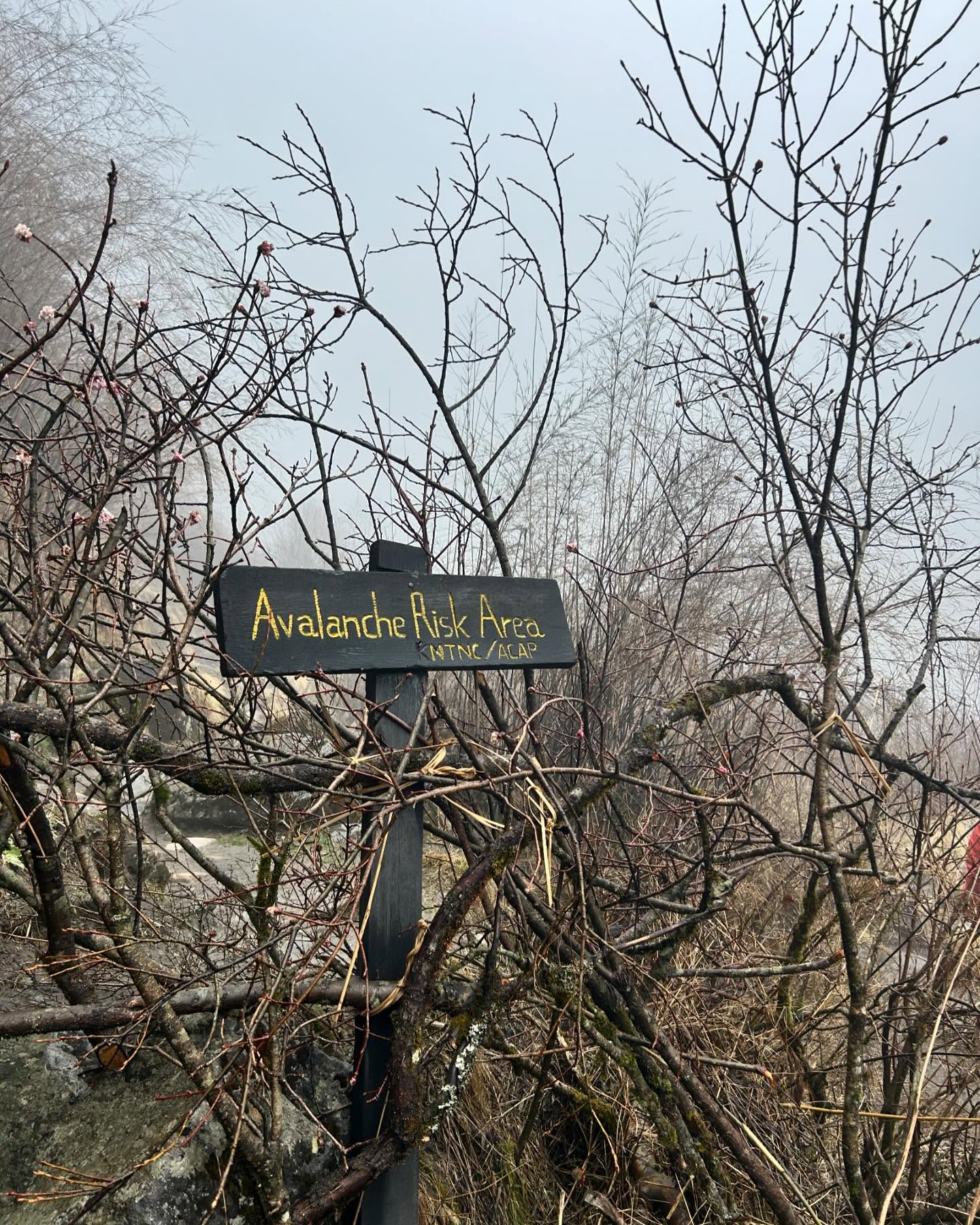
Is It Safe To Trek ABC Without A Guide
In general, ABC is considered a safe trekking route, and that's one of the reasons it's so popular among both beginners and experienced trekkers. The trail is well-traveled, with many other trekkers moving along the route during peak seasons, and there are teahouses available in most sections where you can rest and stay.
That said, safety on the ABC Trek still depends a lot on your own preparation and awareness. Even though it's one of the more accessible and safe treks in Nepal, you still need to consider changing weather conditions and the effects of altitude as you go higher.
Things like sudden weather shifts or mild altitude discomfort can still affect your journey if you aren't careful. So, while the trek is generally safe, it works best when you're prepared, informed, and trekking responsibly.
Who Can Do ABC Trek Without A Guide
While the ABC Trek for solo trekkers is possible, it really depends on your trekking experience level and how comfortable you are managing things on your own in the mountains. Therefore, it isn't for everyone to do without a guide.
- Suitable for: Experienced trekkers who have done multi-day hikes before, are physically fit, and have basic navigation knowledge can usually handle the route without much trouble. They're more confident dealing with changing trail conditions and planning day-to-day logistics.
- Not ideal for: First-time trekkers, people who struggle with planning, or those with low fitness levels may find it challenging. Without a guide, everything from pacing to safety decisions depends on you.
If you're unsure about your ability, going with a guide is always a safer option and can make the whole experience much smoother and more enjoyable.
Benefits Of Hiring A Guide (Why It's Still Worth It)
This is where hiring a guide really makes a difference. Even though doing the trek independently is possible, the benefits of the guide on the ABC Trek become very clear once you're actually on the trail.
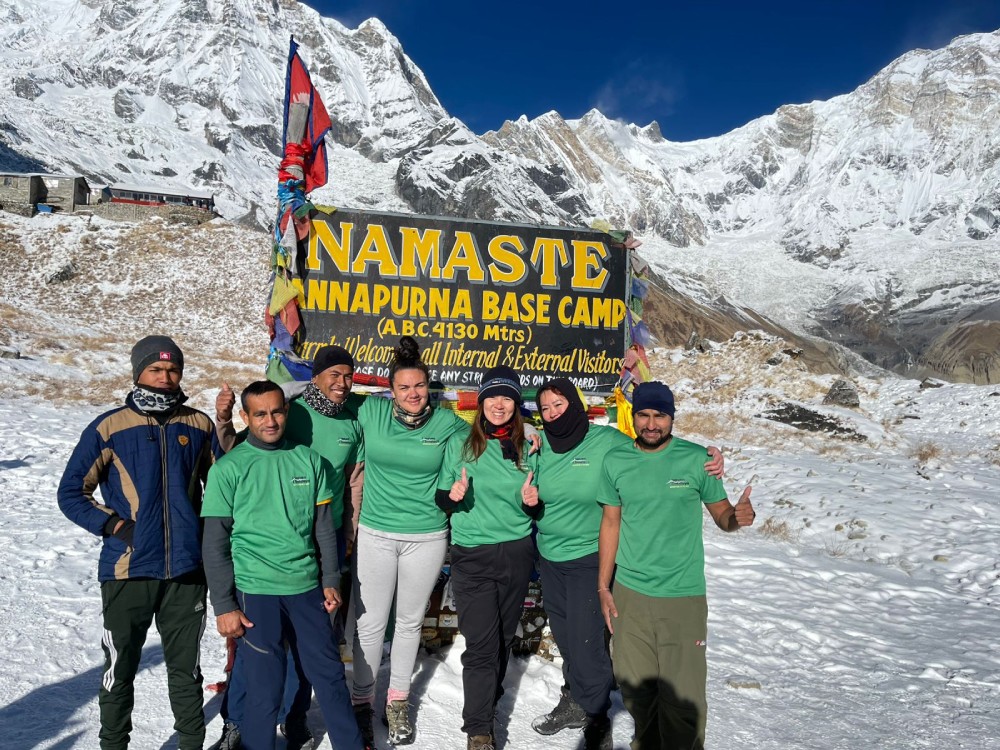
First is safety; having someone experienced with you adds an extra layer of confidence, especially when dealing with altitude or sudden weather changes. Then comes local knowledge. A guide can explain the route, culture, and hidden details of the mountains that you would easily miss on your own.
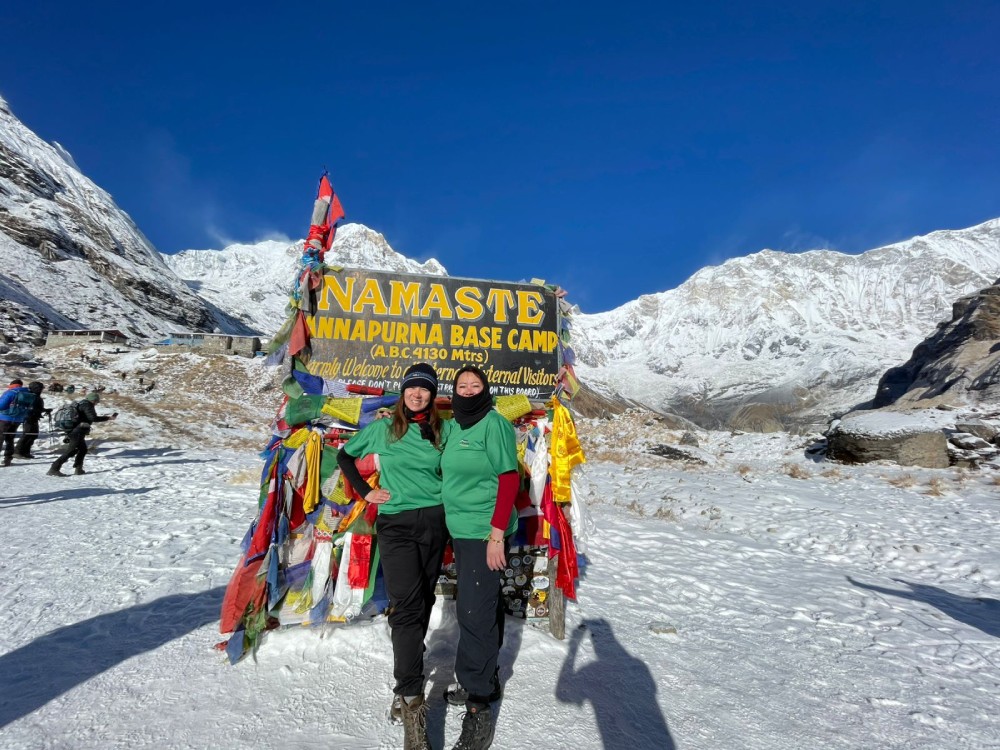
Another big advantage is that all the logistics are handled for you. You don't need to stress about finding accommodation, permits, or route confusion.
And overall, it just leads to a better trekking experience, where you can focus more on the journey instead of making small decisions. Most trekkers realise this once they're on the trail; guided trekking in Nepal simply feels more relaxed and smooth.
Final Verdict: Should You Do Trek To ABC Without A Guide
Yes, it's possible, but it's not the right choice for everyone. When it comes to the ABC Trek without a guide in Nepal, the situation sits somewhere in between legal flexibility and practical reality. Rules exist that encourage guided trekking, but enforcement and conditions can vary on the ground.
From a safety point of view, the trek is generally manageable, but you're fully responsible for navigation, altitude awareness, and handling unexpected situations. Your decision to go solo trekking should really depend on your previous trekking experience and how confident you feel in the mountains.
If you're experienced and comfortable planning everything yourself, you can manage it. Nevertheless, if you're unsure at any point, going with a guide is the safer and more relaxed option.
Choose what fits your comfort and experience level. Whatever your decision is, go through our Annapurna Base Camp Trek Guide before planning your trip.