Introduction
The best time to climb Island Peak is one of the most important things to know before planning your adventure in the Himalayas. Choosing the right season can make a big difference in your safety, comfort, and chances of reaching the summit.
Island Peak is one of the most popular trekking peaks in Nepal, located at 6,189 m (20,305.12 ft) above sea level. However, weather conditions at this altitude can change rapidly. Therefore, timing your climb properly is crucial.
Generally, spring and autumn are considered the perfect times for trekking and climbing due to stable weather, clear skies, and good visibility. These seasons offer safer climbing conditions, moderate temperatures, and stunning mountain views, making them ideal for both beginners and experienced climbers.
When planning your climb, it’s also essential to consider other key factors, such as difficulty, altitude, and good preparation. For a complete overview, you can explore our Island Peak Climbing Guide, where you’ll find detailed information about routes, fitness, gear, and everything you need before heading to the mountain.
In this blog, we’ll break down the best seasons, weather conditions, and ideal months. It helps you choose the perfect time for your Island Peak climbing adventure.
When Is The Best Time To Climb Island Peak
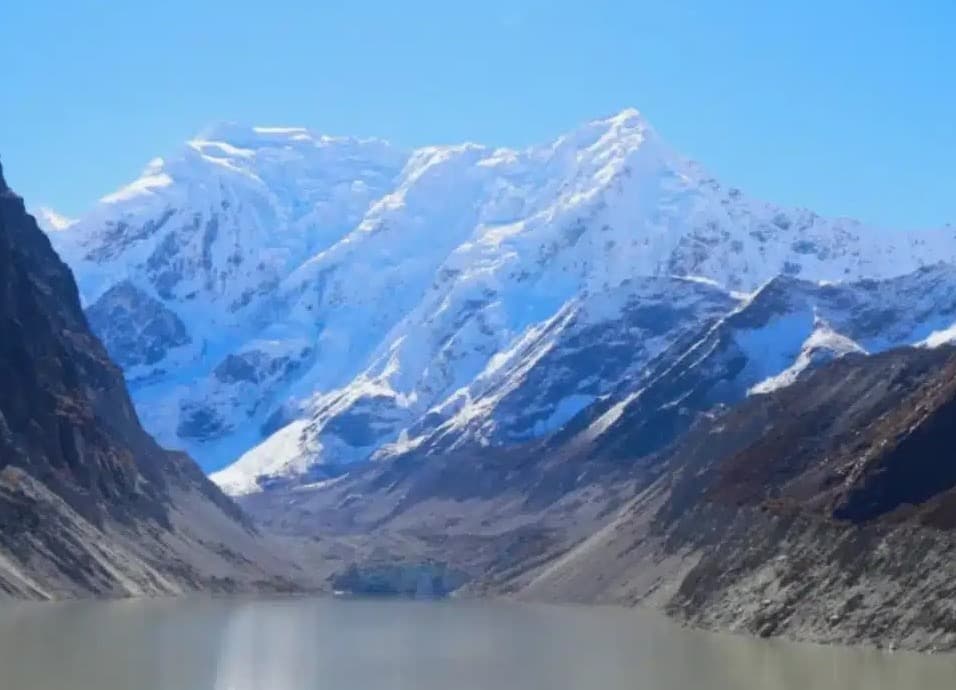
Regarding the best time to climb Island Peak, there are two seasons: spring (March to May) and autumn (September to November), when weather conditions are most stable, and skies are clear for high‑altitude climbing. During these seasons, visibility is excellent, and climbing conditions are safer with a lower chance of rain, snowstorms, or storms, making summit pushes more predictable and enjoyable.
Spring brings warmer days, blooming landscapes, and stable weather that helps trekkers and climbers acclimatise and move safely along the route. Autumn follows the monsoon, clearing the air and producing crisp skies and sharp mountain views, which enhances both safety and visibility for climbing. Both seasons are preferred by most climbers for planning their Island Peak expedition due to these reliable and favourable conditions.
Why Timing Matters For Island Peak Climbing
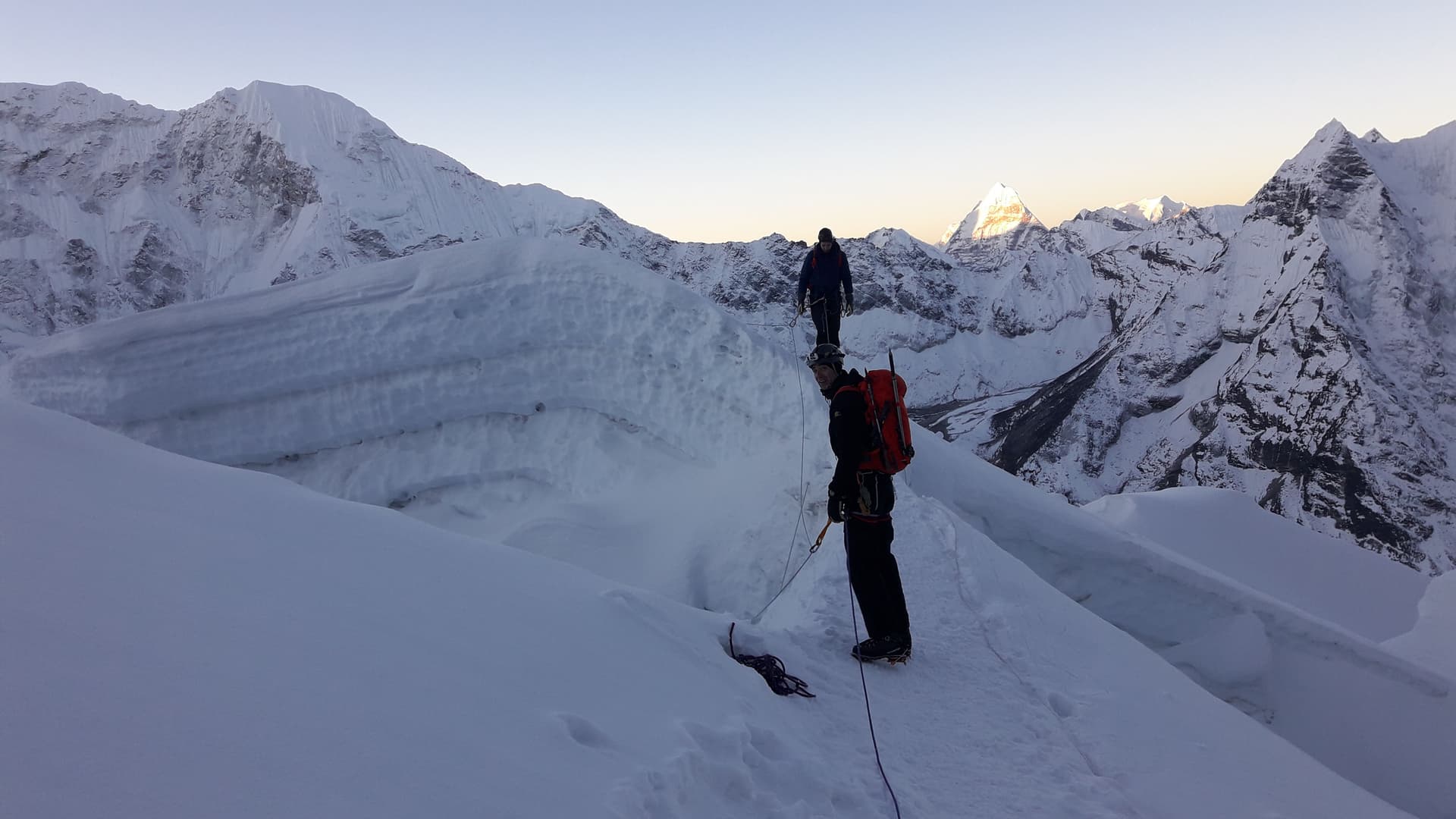
Choosing the right season is crucial for Island Peak climbing, as weather conditions and visibility can change quickly at high altitudes, especially on a peak that reaches 6,189 m in Nepal’s Everest region. Clear skies, predictable weather, and good visibility help climbers navigate snow, ice, and exposed sections more safely, while unpredictable weather increases risk and can force teams to turn back or delay their summit attempts.
Spring and autumn are the most stable times of year. They offer the best windows for weather, visibility, and safer progress on the route.
Seasonal differences also affect the difficulty level of Island Peak and your chances of reaching its top. In the best seasons, snow and ice are often more predictable and firm, making technical sections easier to manage and improving your overall summit success rate. In contrast, poor timing, such as monsoon rains or harsh winter storms, often brings low visibility, slippery terrain, and dangerous conditions that make the climb riskier and harder, not just tiring.
Island Peak Climbing Seasons Explained
Nepal experiences four distinct seasons: spring, monsoon, autumn, and winter, each with very different weather and trail conditions that affect climbing. Because Island Peak stands at 6,189 m in the Everest region, choosing the right season makes a big difference in visibility, safety, and your chances of a successful summit.
Spring (March To May): Best Overall Season
Spring is one of the most popular times to climb Island Peak, as the weather is generally stable with clear skies, and temperatures are warmer compared with the winter months. Trails often become clearer as winter snow melts, and the lower elevations come alive with rhododendron blooms, adding beautiful colour to your trek. This season is best for beginners, as conditions are predictable and forgiving while providing excellent mountain views.
Autumn (September to November): Best Weather & Views
Autumn is widely considered the peak season for Himalayan climbs, and Island Peak is no exception. After the monsoon rains, skies are often clear, visibility is outstanding, and the weather remains stable, making it perfect for both trekking and climbing. October is usually the busiest and most photogenic month, with slightly cooler temperatures than spring, but unbeatable panoramic mountain views.
Winter (December to February): Very Challenging
Winter on Island Peak brings extreme cold, frequent snow, and strong winds, which make both the approach and summit push much harder. Nighttime temperatures can drop well below freezing at higher camps, and the trail often gets covered by snow. Due to these harsh conditions, this season is recommended only for experienced climbers and isn’t beginner‑friendly.
Monsoon (June to August): Not Recommended
The monsoon season is a big no for climbing Island Peak due to heavy rains at lower elevations and mostly cloudy skies. Trails become slippery and muddy, visibility drops, and flights to Lukla (trailhead) are frequently delayed or cancelled. There’s also an increased risk of landslides and avalanches during this time, making it a dangerous climbing window.
Best Months To Climb Island Peak
If you’re planning your Island Peak climb, the most practical months to aim for are April and early May in spring and October in autumn. The weather conditions in these months are usually most favourable.
April and early May are part of the spring climbing window, offering relatively stable weather, longer daylight hours, and milder temperatures that help make both trekking and summit pushes safer and more predictable. Many climbers choose these months because the trails are clear and visibility tends to be good for panoramic views of the Himalayas.
October stands out as the best month in the autumn season, coming right after the monsoon with clear skies and excellent visibility that make the mountain scenery spectacular and navigation easier. The weather is generally stable, with fresh air and cooler nights that help firm up snow on the higher sections of the route.
So, now, you know that these months: April, May, and October, consistently deliver reliable weather and better summit success chances. You can target them when booking flights, permits, and guides for your Island Peak expedition, as most trekkers do.
Island Peak Weather And Temperature By Season
When planning your climb, understanding the weather conditions on Island Peak is very important. This is because temperatures and conditions change a lot with altitude and time of day.
In general, during good seasons like spring and autumn, daytime temperatures can reach around 0°C to 5°C in higher elevations, which feels manageable when you’re walking and gaining heat from movement. However, as you go higher, the air becomes colder, and wind chill makes it feel much harsher, especially near the summit.
At night, temperatures drop well below freezing, often reaching -10°C to -20°C or even lower, especially during the summit push day, which usually starts before sunrise. The summit itself is always very cold and windy, and climbers often face extreme cold conditions in the early morning hours. Due to such a huge difference between day and night temperatures, proper warm clothing and layering are essential for a safe and successful climb.
Best Time For Everest Base Camp With Island Peak Climbing
The best time for Everest Base Camp with Island Peak climbing is the same as Island Peak itself, spring (March to May) and autumn (September to November). These seasons offer stable weather, clear skies, and better visibility, which are important for both trekking and safe climbing.
If you want to combine trekking and climbing in one trip, these seasons work best because they give you safer trail conditions, proper acclimatisation, and higher summit success chances. The classic route leading to the base camp helps your body adjust to altitude before the climb, making the whole journey more manageable and rewarding. If you’re planning this kind of adventure, you may explore our EBC with the Island Peak Climbing package to see how the itinerary is designed for both trekking and climbing together.
Worst Time To Climb Island Peak
The worst time to climb Island Peak is during the monsoon (June to August) and winter (December to February), when conditions become much more challenging and less reliable. When comparing Island Peak in winter and summer, both seasons come with different challenges, but they share the same issue: a lower success rate and increased safety risks for climbers.
During the monsoon, heavy rain makes trails slippery, muddy, and dangerous, while clouds reduce visibility and increase the risk of landslides and avalanches. In winter, climbers face extreme cold, strong winds, and deep snow, which make the climb more physically demanding and technical. Due to these conditions, most climbers avoid these seasons and choose safer months for a better and more successful experience.
Tips For Choosing The Right Season
Choosing the right season for Island Peak can make a big difference in your overall experience. Weather, crowd levels, and your personal goals all play a key role in deciding when to go.
It’s best to match the season with your experience level, comfort, and expectations. A good choice can improve safety, enjoyment, and your chances of a successful climb.
Below are the useful tips for choosing the right season to climb Island Peak.
- If you’re a beginner, choose spring, as it offers stable weather and warmer conditions, making it ideal for first-time climbers.
- If you’re a professional photographer or more into photography, choose autumn. It has clear skies and the best visibility for stunning mountain views.
- If you want to avoid crowds, go in late spring or late autumn, as peak months can be busy. Hence, choosing the end of the season gives a quieter experience.
- If you want to travel on a budget, consider off-season (winter or monsoon). During these times, costs may be lower, but be ready for tougher conditions and higher risks.
Final Verdict: Best Time To Climb Island Peak
Spring and autumn are the best times to climb Island Peak, thanks to stable weather, clear skies, and higher chances of summit success. If you’re a beginner or first-time climber, spring (March to May) is a great choice because of warmer temperatures and easier conditions.
If you prefer clear views and photography, autumn (September to November) is ideal, especially in October when visibility is at its best. For a complete overview of routes, preparation, and planning, you can check our Island Peak Climbing Guide to plan your climb with confidence.