Introduction
Understanding the optimal time to climb Lobuche Peak is important when planning this journey in Nepal's Himalayas. Lobuche Peak is a famous trekking peak in the Khumbu Region. It sits at an altitude of 6,119 m (20,075.46 ft). For decades, it has fascinated climbers worldwide, especially beginners.
Your climbing experience varies depending on the season you choose. Himalayan weather is always unpredictable. It can change or turn bad at any time with strong winds, heavy snowfall, and cloudy skies. The wise approach is to plan your climb during the most stable time of the year for an unforgettable experience.
Spring and autumn are the best seasons for climbing and trekking. They offer stable weather, clear skies, and good visibility. Besides, the chances of reaching the top of Lobuche Peak are also high and safe during these times of year.
By the end of this blog, you'll be completely aware of the best seasons and weather conditions in each month. Learning about these things will help you choose an excellent time for climbing Lobuche Peak.
Why Choosing The Right Season Matters For Lobuche Peak Climbing
The right season always matters for a safe and unforgettable journey to the Lobuche Peak summit. In the Himalaya, the weather is mostly uncertain. It can change quickly, causing difficulties when climbing.
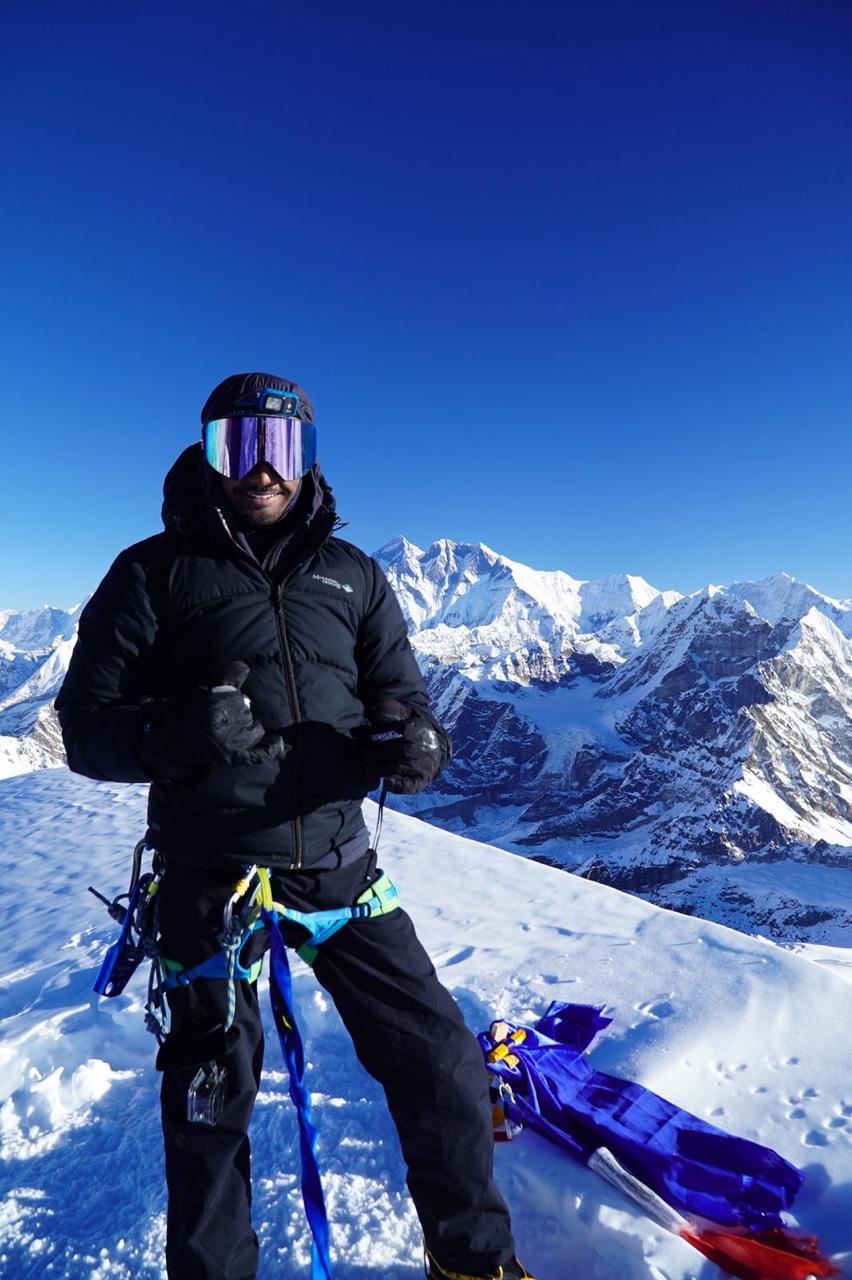
Therefore, it's important to consider how the season will influence the Lobuche Peak expedition when planning your trip. Before thinking about succeeding in your climb, we reckon, you should first succeed in planning it for the right time of the year that offers stable weather, great mountain views, and better climbing conditions in the Everest Region.
Weather Stability
The weather must be stable for high-altitude climbing. During the best seasons, the weather patterns are somewhat predictable compared to other times of the year. It'll be much easier to plan your expedition.
The weather-related issues, such as strong winds and heavy snowfall, make the climb risky and scary, particularly in glacier and narrow ridge sections. However, if the weather is stable, such a risk can be reduced, and your journey can be safe and comfortable.
Visibility In The Everest Region
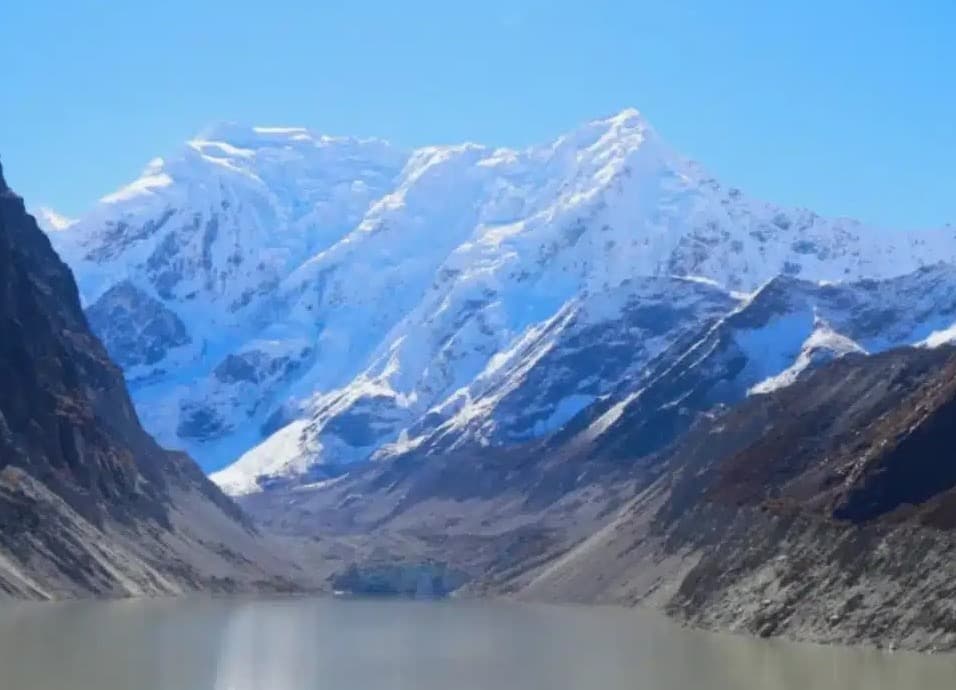
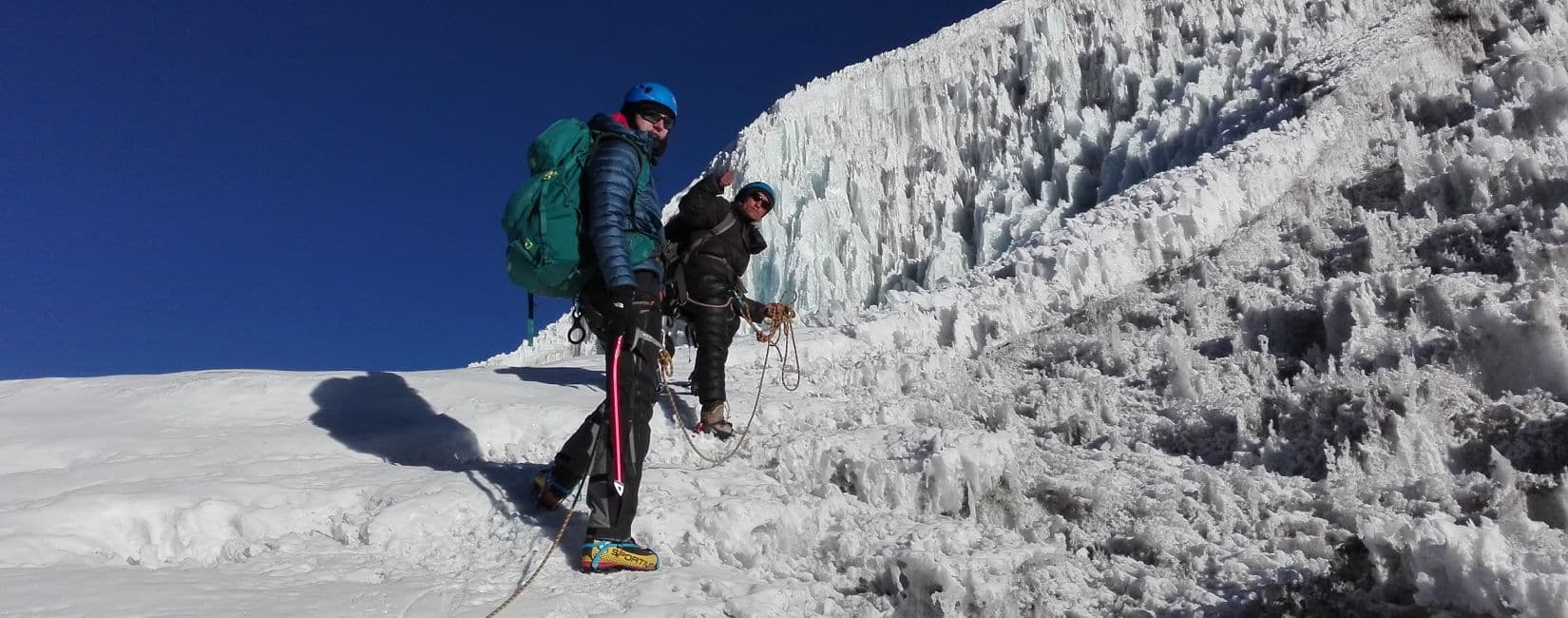
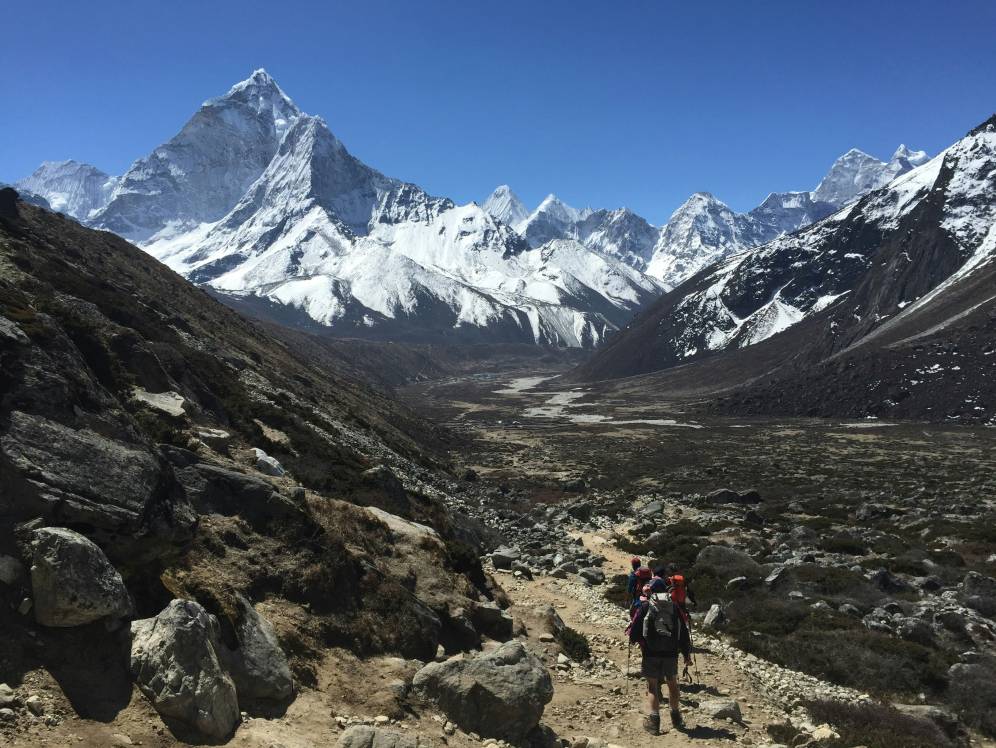
Clear visibility makes the situation easy for you to navigate glaciers, crevasses, snow slopes, ice walls, and rocky ridges along the trail while enjoying the stunning panoramas of the peaks in the Mahalangur Range, such as the following:
- Everest (8,848.86 m/29,031.69 ft),
- Lhotse (8,516 m/27,940 ft)
- Nuptse (7,861 m/25,791 ft)
- Ama Dablam (6,821 m/22,349 ft)
Spring and autumn are the ideal seasons that offer great visibility, making it easier and more convenient to climb higher, as well as for photography.
Temperature And Climbing Conditions
Your climbing conditions also highly depend on the temperature. Lobuche Peak is above 6,000 m (19,685.04 ft), and the temperature is frigid. Up there, temperatures dropping below zero are far beyond our imagination.
In winter, heavy snow and icy terrain due to harsh temperatures make your journey to the summit extremely challenging. Moreover, the risk of frostbite, hypothermia, and even losing one's life is very high.
Best Time To Climb Lobuche Peak (Season Guide)
There are four seasons in a year. They are winter, spring, monsoon, and autumn. Nevertheless, not all four of them are suitable for a high-altitude expedition.
Among them, only spring (March to May) and autumn (September to November) are the best seasons to climb Lobuche Peak, as they offer stable weather, clear skies, and safe climbing conditions. During these times of year, you can have good visibility that helps you navigate the trail, and the success rate for climbing the summit of Lobuche Peak is also high.

Lobuche Peak Climbing By Season
There are different seasons to climb Lobuche Peak. Some are very suitable, while some aren't. Winter (December to January) and monsoon (June to August) are the off-seasons for trekking and mountaineering.
During these periods, the weather is unstable and thoroughly unpredictable. The freezing temperatures, heavy snowfall, heavy rainfall, and very poor visibility make the climbing conditions demanding. That's why most climbers target spring or autumn as the season for the Lobuche Peak expedition.
Spring
Spring is one of the ideal times to climb Lobuche Peak. It's the post-winter season, offering stable weather, warmer temperatures, clear skies, and longer daylight hours. The blooming wildflowers, especially rhododendron, in the lower section of the trail, add a colourful vibe to your adventure.
Furthermore, the winter snow settles, making climbing conditions safe and comfortable. For this reason, most climbers plan their high-altitude climbing during this season. In terms of months, April to early May is perfect for mountaineering.
Autumn
Autumn is another of the best seasons for Himalayan peak climbing. During this period, the dust and pollution are washed away by the monsoon rain, resulting in a lush green landscape, dry trails, and good visibility in the Khumbu Region.
The weather is stable in this season as well, providing you with good and safe climbing conditions, as the chance of rainfall is very low and patterns are relatively predictable. The best months to attempt the summit of Lobuche Peak are October and early November.
Winter
Winter is one of the most difficult times for climbing Lobuche Peak. During this season, the frigid temperatures, frequent snowfall, and strong winds make the conditions harsh in the Everest Region.
The higher elevation sections of the region experience temperatures as low as -25°C sometimes. Heavy snowfall covers the climbing route leading to the summit, increasing the risk of slips and natural disasters, such as avalanches and landslides.
Strong winds also make you feel even colder, and your climbing becomes uncomfortable. Therefore, this season is only for experienced climbers who have mastered all the technical climbing skills.
Monsoon
Heavy rainfall is expected in most parts of Nepal, including the lower sections of the Everest Region. The trekking trails become muddy and slippery, causing you problems while hiking and landslides and floods often occur during the monsoon. In grassy areas, leech bites are also common, causing irritation and wounds in your legs.
Travel by both flight and vehicle also faces problems due to unstable weather. Many trekkers and climbers get stranded at the airport because flights to Lukla are often delayed, and the highway is also sometimes closed due to a landslide. As a result, the rainy season isn't recommended for either trekking or climbing.
Lobuche Peak Weather By Month
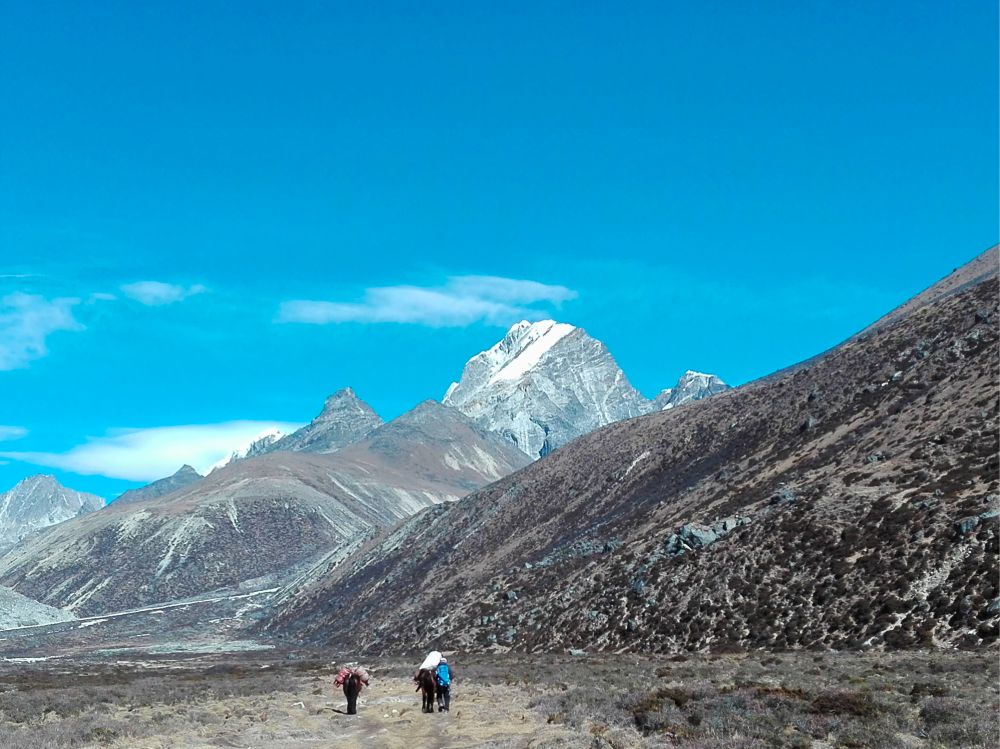
Understanding how the weather changes each month around Lobuche Peak can help you choose the best time to climb and prepare well. In the Everest region, spring and autumn are the most stable seasons, offering clearer skies and safer conditions for climbing. These months are generally considered the best for climbing Lobuche Peak, while the monsoon and winter bring more rain or cold that make climbing harder and riskier.
March
March is the beginning of the climbing season. The cold temperature starts to become warm, and conditions become more stable. Snow on the lower trails begins to settle, making trekking and climbing easier than in winter.
April
April is one of the best months to climb Lobuche Peak. The weather is usually steady, the skies are clearer, and temperatures are moderate, offering good conditions for climbing and enjoying the views of the surrounding Himalayan peaks. Many climbers choose April for their summit attempts.
May
In May, the weather remains favourable with warmer temperatures and generally clear skies. However, as the month progresses toward the rainy season, there may be occasional clouds or afternoon showers. Early May is still regarded as a strong climbing window.
June To August
These months are part of the monsoon. Heavy rainfall and cloud cover make trails slippery and reduce visibility, making climbing conditions difficult and less safe. Many climbers avoid this period due to unstable weather and travel delays.
September
After the monsoon ends, the weather improves in September. Skies become clearer, temperatures cool down, and trails dry up, opening up a good window for autumn climbs.
October
October is often considered the peak month for climbing Lobuche Peak. The air is crisp, the skies are usually very clear, and overall weather conditions are highly favourable for summit attempts.
November
November still offers generally stable and dry conditions, though temperatures begin to fall as winter approaches. Many climbers still choose early November before conditions become too cold.
December To February
The winter officially begins in December and lasts until February. The Khumbu Region experiences snowfall and sub-zero temperatures. Additionally, cold wind during the daytime makes your climbing challenging.
Overall, April, May, October, and November are generally considered the best months to climb Lobuche Peak, thanks to clearer skies, stable weather, and better climbing conditions.
Spring Vs Autumn For Lobuche Peak (Comparison Table)
Spring and autumn are the two most popular seasons for climbing Lobuche Peak. Both seasons provide stable weather, clear skies, and good climbing conditions in the Everest region.
Because of these favourable conditions, most expeditions are planned during these months. However, there are small differences between spring and autumn in terms of temperature, visibility, and crowd levels.
The table below shows a simple comparison of the two seasons to help climbers decide which one suits them best.
| Factor | Spring | Autumn |
| Weather | Stable and gradually warming after winter | Very stable after the monsoon |
| Visibility | Good Mountain Views | Excellent, Crystal-Clear views |
| Temperature | Warmer overall | Slightly colder, Specially at night |
| Crowds | Busy climbing season | Moderate crowds |
| Best Months | April to early May | October to early November |
Spring is a great choice for climbers who prefer warmer temperatures and longer daylight hours during summit attempts. The lower trails are also beautiful during this season because rhododendron forests bloom, adding colour to the trekking route.
Autumn is ideal for climbers who want the clearest mountain views and dry weather conditions. After the monsoon, the air becomes clean and visibility is often excellent, making it perfect for photography and enjoying the Himalayan scenery.
In simple terms, spring suits climbers who want warmer weather and vibrant landscapes, while autumn suits those who prefer clearer skies and stable post-monsoon conditions. Both seasons offer excellent conditions for a successful Lobuche Peak climb.
Weather And Temperature On Lobuche Peak
Weather plays a crucial role in climbing success and safety on Lobuche Peak. Because the mountain rises above 6,000 m, temperatures are cold throughout the year, and conditions can change quickly.
Climbers often experience strong winds, snowfall, and sudden temperature drops. Understanding the weather and temperature at different camps helps climbers prepare the right gear and choose the safest time for a summit attempt.
Temperature at Base Camp
At Lobuche Base Camp, which sits around 5,000 to 5,400 m, temperatures are cold but still manageable during the main climbing seasons. During the day, temperatures are usually around 0°C to 10°C, especially in spring and autumn. However, nights become much colder and can drop to −10°C or lower.
Climbers often start their day early because the mornings are clearer and more stable for climbing. Even in the best seasons, proper cold-weather gear is necessary to stay warm and comfortable at base camp.
Temperature At High Camp And Summit
As climbers move higher toward high camp and the summit, the temperature drops significantly. At these higher altitudes, daytime temperatures can range from −10°C to −15°C, and it can feel much colder with wind chill.
During the early-morning summit push, temperatures may fall below −20°C, especially near the summit ridge. Because of this extreme cold, climbers must wear insulated clothing, gloves, and mountaineering boots to prevent frostbite and stay safe.
Wind And Snow Conditions
Wind and snowfall are also important factors during a Lobuche Peak climb. On good summit days, wind speeds may be around 20–35 km/h, but stronger winds can develop suddenly at higher elevations.
Heavy snowfall or snowstorms can make the route slippery and dangerous, sometimes forcing climbers to delay or cancel summit attempts. Guides usually watch the weather closely and wait for a stable weather window before moving toward the summit. Overall, stable weather, moderate wind, and manageable temperatures are key factors that increase the chances of a safe and successful Lobuche Peak climb.
How Weather Affects Summit Success
The weather has a strong influence on whether climbers can reach the summit of Lobuche Peak. At high altitudes, conditions can change quickly, so climbers must watch wind speed, snowfall, visibility, and temperature carefully. Strong winds on exposed ridges can make climbing dangerous, while heavy snowfall can cover the route and increase the risk of avalanches.
Poor visibility from clouds or snowstorms can also make navigation difficult on glaciers and steep slopes. Due to these risks, understanding the weather conditions at Lobuche Peak is very important for planning a safe summit attempt.
Temperature also plays a major role during the climb. At higher elevations, temperatures can drop -20 °C below, especially during early morning summit pushes. Extreme cold, combined with wind chill, can increase the risk of frostbite and exhaustion.
For this reason, climbers usually wait for short weather windows, which are periods of stable weather with lower wind and clearer skies. Most expeditions plan their summit attempts during these stable windows in spring and autumn, when conditions are generally safer, and the chances of success are higher.
Best Time To Climb Lobuche Peak For Beginners
Since Lobuche Peak is one of the most popular trekking peaks in Nepal, it's an excellent choice for first-time climbers to experience mountaineering without attempting high mountains above 7,000 m (22,965.88 ft). However, just because the peak is beginner-friendly, you can't attempt to climb its summit at any time.
As stated above, the ideal time for climbing Lobuche Peak is during spring and autumn. These seasons have 3 months each. So, April in spring and October in autumn are the safest months for beginners.
These months provide stable weather, comfortable temperatures, and a higher summit success rate. The reason is that in April, the winter cold vanishes, the trail ice melts, and the days grow longer. In October, the trails remain dry and easy to walk, the air feels fresh, and visibility is clear.
Conclusion
The best time to climb Lobuche Peak is during spring (March to May) and autumn (September to November). During these seasons, April and early May in spring and October and early November in autumn are the ideal months to attempt the summit, as they provide stable weather, mild temperatures, and good climbing conditions.
The other seasons, winter (December to February) and monsoon (June to August), aren't recommended for either trekking or climbing. During these times, the weather is unstable with extreme cold temperatures and poor visibility.