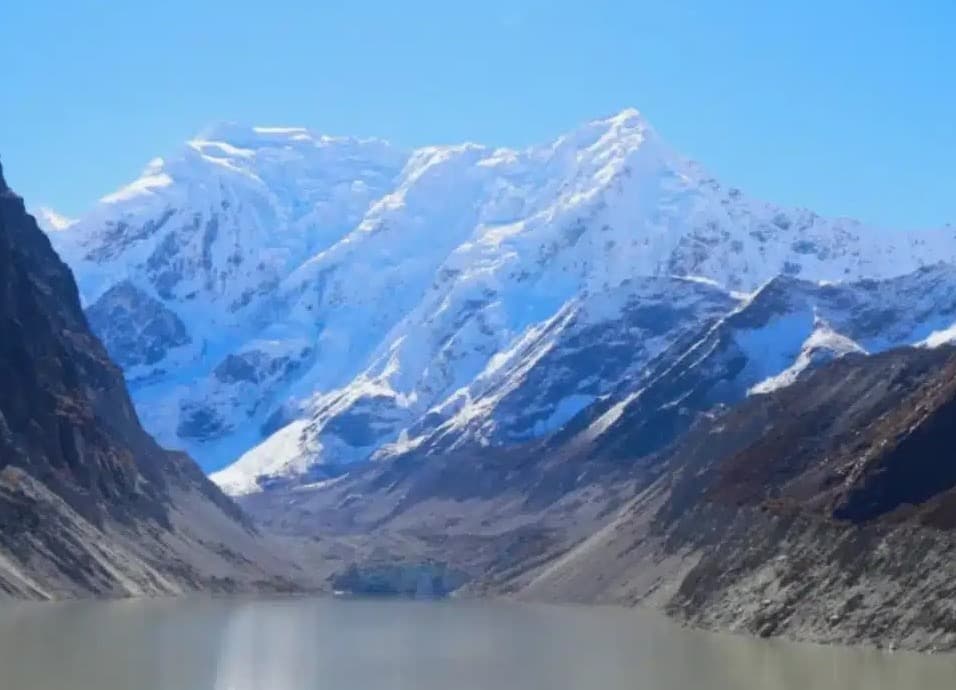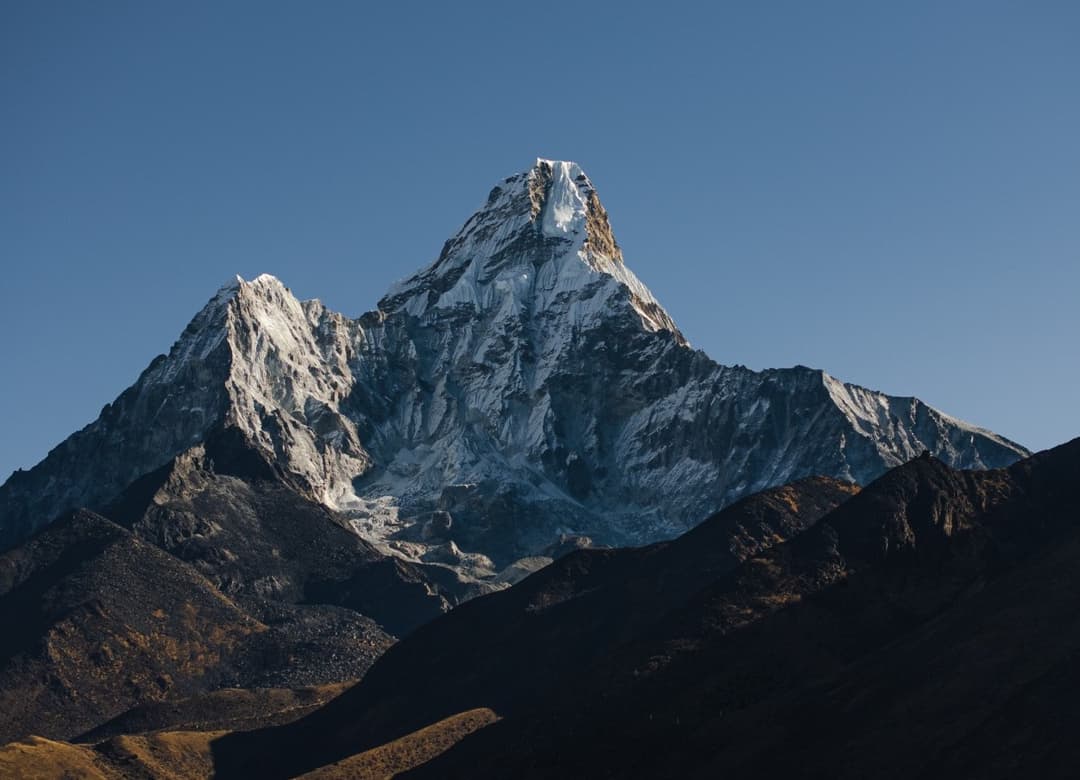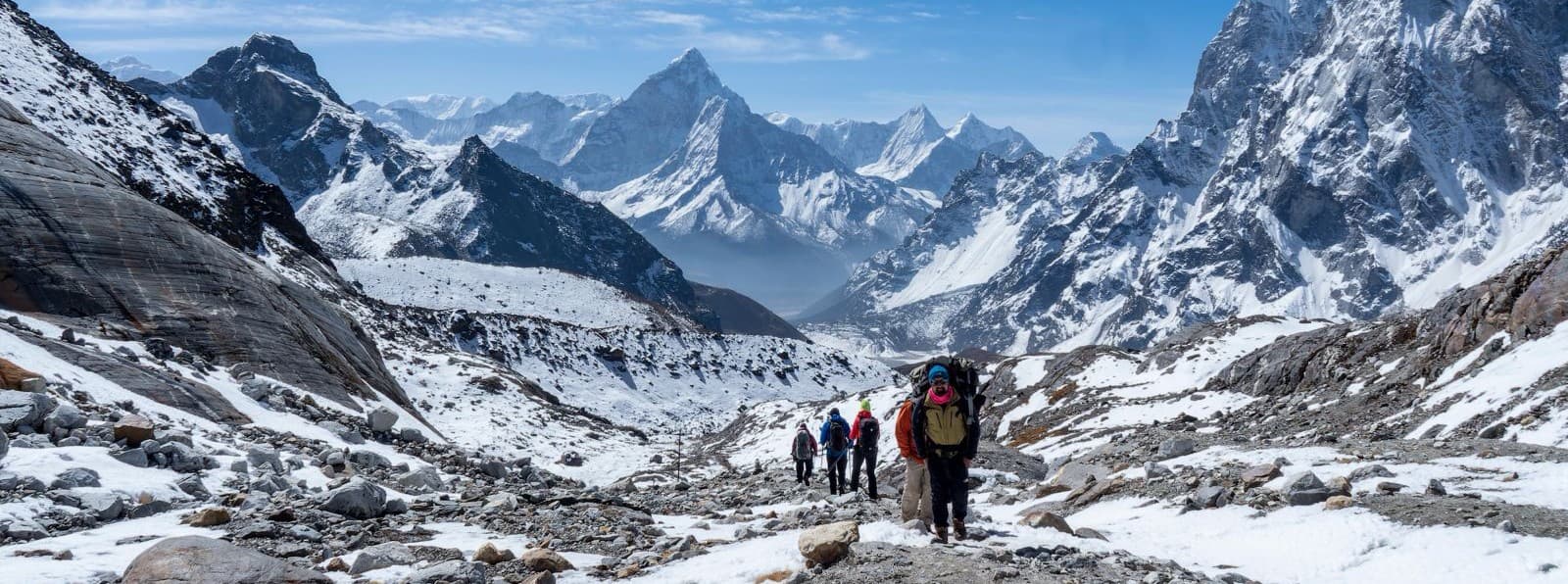
Cho La Pass Trek isn't just another mountain trail in the Khumbu Region. It's one of those sections, you know, that instantly changes how you experience the Himalayas.
Some treks feel like a walk in the mountains. This pass is not one of them. Steep climbs, icy paths, and a glacier crossing make this one of the most dramatic sections of the entire Everest route.
This pass is between the Everest Base Camp (EBC) side and the Gokyo Valley, acting as a key link in the high-altitude circuit. Most trekkers don't just pass through it; they remember it for how challenging and unique it feels.
In this guide, we'll break down everything you need to know about difficulty, altitude, glacier conditions, and practical tips to help you prepare properly. And if you want the full picture, you can also explore the complete Everest Three High Passes Trek guide.
Where Is Cho La Pass Located
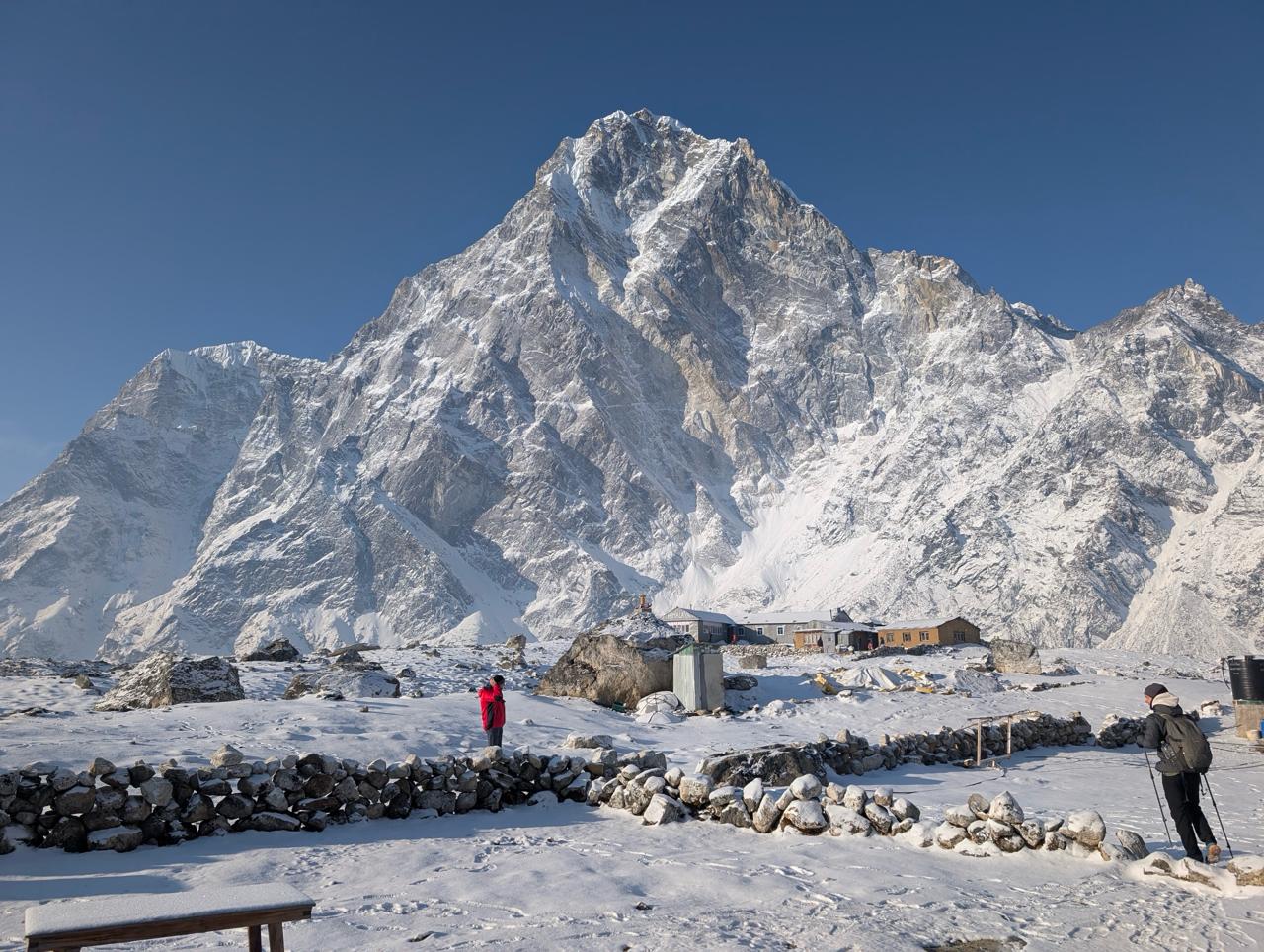
Cho La Pass is located in the Everest (Khumbu) Region of Nepal, right in the heart of the Himalayas. It sits between Dzongla and Gokyo, making it an important connection point on the high-altitude trekking circuit.
Cho La Pass stands at an altitude of 5,420 m (17,782 ft). Therefore, it's definitely one of the higher and more demanding sections of the journey.
In simple terms, the pass links the classic EBC route to the beautiful Gokyo Valley, allowing trekkers to experience both sides of the area in a single trip. This is why it's considered one of the key points among the passes in the Everest Region, connecting two iconic valleys together.
This location is exactly why this pass feels so special. It's not just a crossing, but a bridge between two iconic trekking worlds.
Cho La Pass Altitude And Key Facts
Here are the key facts you should know about Cho La Pass at a glance:
- Altitude: 5,420 m (17,782 ft)
- Region: Khumbu or Everest
- Connects: Dzongla to Gokyo Valley
- Crossing time: Around 6 to 10 hours, depending on pace and weather
- Type: High mountain pass in Nepal with glacier terrain
Cho La Pass isn't just high in altitude; it also involves steep climbs and icy sections, which is why it's considered one of the more demanding parts of the Everest Three High Passes route.
How Difficult Is Cho La Pass
The difficulty of the Cho La Pass is considered challenging, especially for trekkers who aren't used to high-altitude walking or long mountain days.
The difficulty mainly comes from a few key factors:
- Steep ascent: The climb up to the pass is long and physically tiring, especially as the altitude increases.
- Rocky terrain: The trail includes loose rocks and uneven sections, which slow your pace.
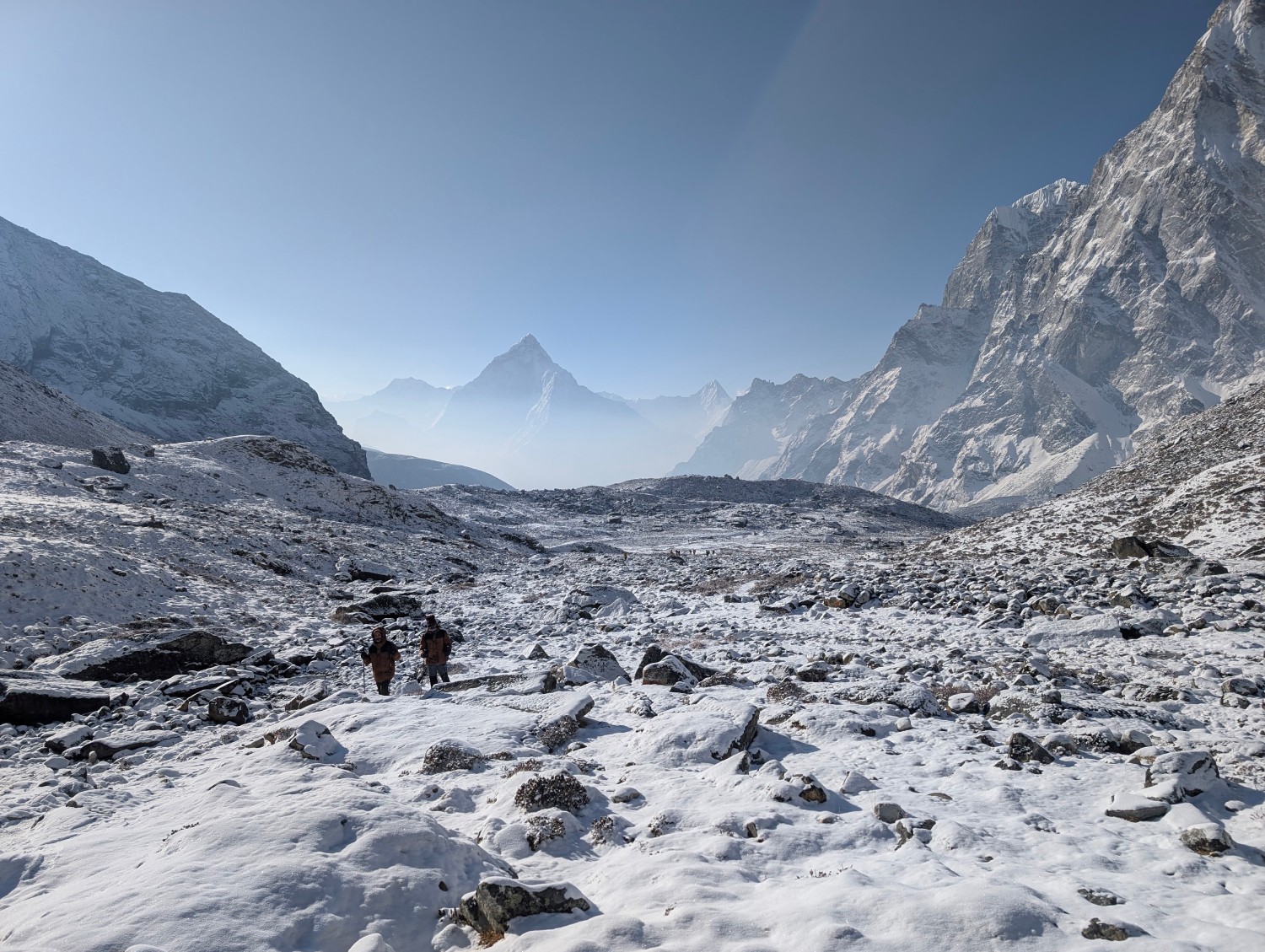
- Glacier crossing: One of the most demanding parts, where the surface can be icy and slippery depending on the season.
Even though it feels tough, it's important to know that this isn't technical climbing; you don't need ropes or mountaineering skills. Nevertheless, it's definitely physically demanding, especially at high altitude. With proper pacing, acclimatisation, and preparation, the Cho La Pass crossing is absolutely achievable for most fit trekkers.
Crossing The Cho La Glacier: What To Expect
The crossing of the Cho La Pass glacier is one of the most exciting parts of the trek. Nonetheless, it can also feel a bit harsh if it's your first time on this kind of terrain.
On the glacier section, you'll typically walk over a mix of ice and loose rocks, so the footing can change quickly. Some parts are solid, while others can be uneven or slightly unstable, which is why you need to stay focused with every step.
You may also come across slippery sections, especially if there's fresh snow or the ice has melted a bit during the day. That's why most trekkers start the crossing early in the morning, when the surface is more stable, and the weather is usually clearer. In some cases, microspikes can be really helpful, giving you extra grip on icy patches and making the walk feel much safer and more confident.
Even though it sounds technical, it's still part of normal glacier trekking in Nepal-style routes. Challenging, yes, but very doable with steady pacing and proper guidance.
How Long Does It Take To Cross Cho La Pass
The crossing of Cho La Pass generally takes around 6 to 10 hours, depending on conditions and how the group moves on the day.
This variation may come down to a few key factors:
- Weather: Clear conditions make the crossing faster, while snow or wind can slow things down.
- Fitness level: Stronger trekkers may move more steadily and finish sooner.
- Group pace: Most groups move at a shared, consistent speed for safety.
It's important to know that crossing this pass is often the longest and toughest day of the entire journey. The altitude, terrain, and glacier sections combine to make it a demanding push from start to finish. In terms of the overall duration of the Everest trek , this single day can feel like the most intense, even though the entire journey spans multiple weeks.
Best Time To Cross Cho La Pass
Choosing the right season makes a big difference on this trek, and when it comes to the best time for crossing Cho La Pass, it's all about stable weather and safer trail conditions.
- Spring (March to May): Spring is one of the most popular seasons for trekking in the Everest Region. The weather is generally stable, the skies are clearer, and the trails are more manageable. Snow can still be present at higher points, but overall conditions are quite trek-friendly.
- Autumn (September to November): This is widely considered the best season for crossing Cho La Pass. The weather is crisp, visibility is excellent, and the trails are in their most reliable condition. Most trekkers prefer this window for safety and mountain views.
- Winter (December to February): Winter brings heavy snow, freezing temperatures, and risky icy sections. The pass can become difficult or even blocked depending on conditions.
- Monsoon (June to August): Monsoon is generally avoided due to rain, slippery trails, and poor visibility in the Khumbu Region.
In simple terms, the best time is during Spring and Autumn, when conditions are safest and most predictable.
Tips For Crossing Cho La Pass Safely
Your journey becomes much easier and safer if you follow a few simple safety tips for crossing Cho La Pass.
- Start early: Begin the crossing early in the morning when the weather is more stable and the snow or ice conditions are better.
- Wear good boots: Strong trekking boots with proper grip make a big difference on rocky and icy sections.
- Stay hydrated: One of the most important high-altitude trekking tips is to drink water regularly to keep your energy up.
- Follow your guide: Always stick with your guide's pace and instructions, especially in the glacier section.
- Check the weather: Weather can change quickly in the mountains, so always be prepared for sudden wind or snow.
If you plan your days properly, an itinerary for the Everest Three High Passes Trek helps you reach Cho La Pass at the safest and most suitable time, making the crossing much more manageable.
Where Cho La Pass Fits In The Three Passes Trek
Cho La Pass sits right in the middle of the route and is an important connection point in the overall journey. It's the second pass you usually cross in the Everest Circuit Trek, making it a key link between the two major valleys.
In simple terms, Cho La connects the classic EBC side to the Gokyo Valley, allowing trekkers to experience both landscapes in a single continuous journey. After crossing Kongma La, it becomes the bridge that takes you from the base camp area toward the stunning blue lakes of Gokyo.
Because of this position, Cho La Pass isn't just a standalone challenge; it's a crucial part of the full Three High Passes circuit, helping complete the full loop experience of the Khumbu Region. However, if you're also planning the full adventure right now, you can check our Everest Three High Passes Trek package for the complete route and guided itinerary.
Final Thoughts
Cho La Pass is definitely challenging, but that's exactly what makes it such a rewarding part of the journey in the Everest Region. It pushes you a bit out of your comfort zone, but in return, you get one of the most memorable trekking experiences in the entire region.
From steep climbs to icy glacier sections and those dramatic mountain views, this pass offers a mix of everything that makes Himalayan trekking so special. It isn't just a crossing; it's an experience that stays with you long after the trek is over.