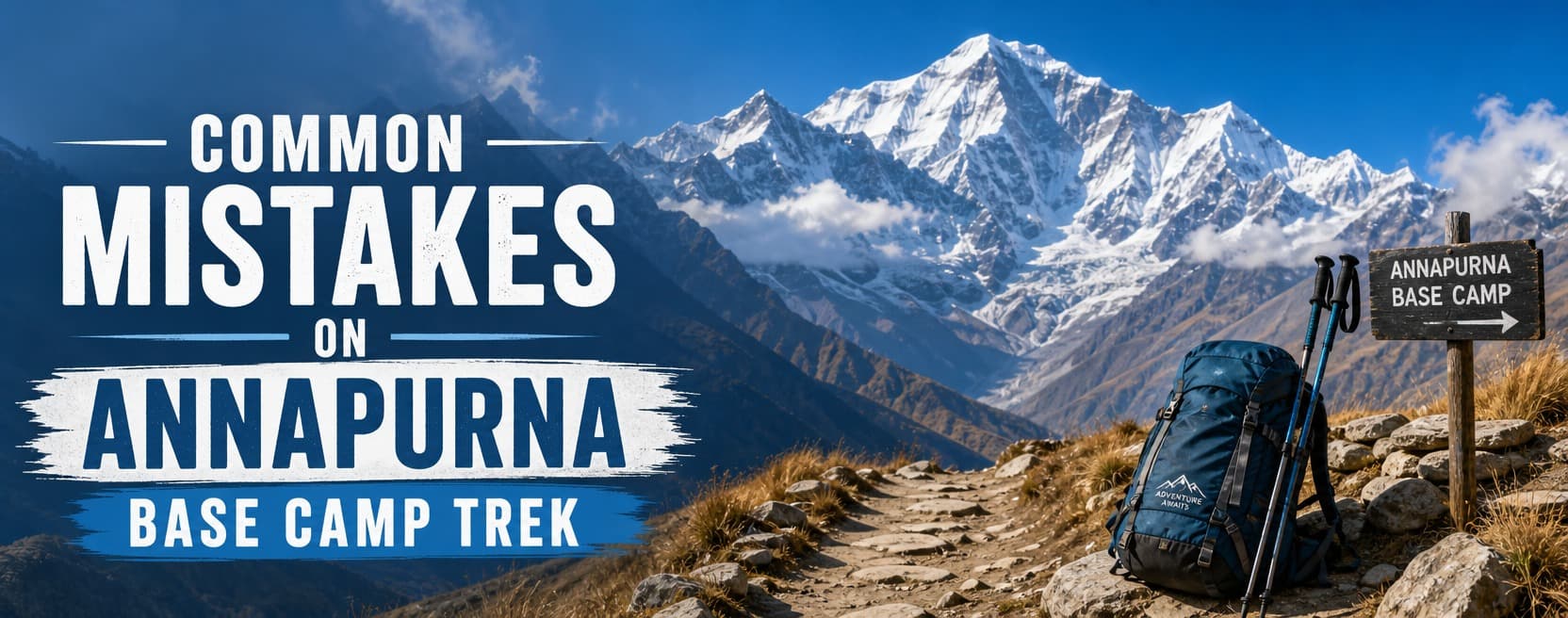
Understanding the common mistakes on the Annapurna Base Camp Trek is essential when planning, especially for beginners. People mostly think this journey is all about fitness, but in reality, there are some other things that create most of the problems on the trail if they aren't taken seriously.
First-time trekkers often don't realise how small decisions can affect the whole experience, especially when it comes to preparation and pacing. Packing too much, walking fast, or not listening to the body are the trekking mistakes, along with improper fitness, that people make in Nepal. None of these seems serious at first, but they slowly add up during the trip.
However, the good news is that these mistakes are completely avoidable once you know them. In this guide, we'll break them down in a simple way so you can enjoy the trek without unnecessary struggles.
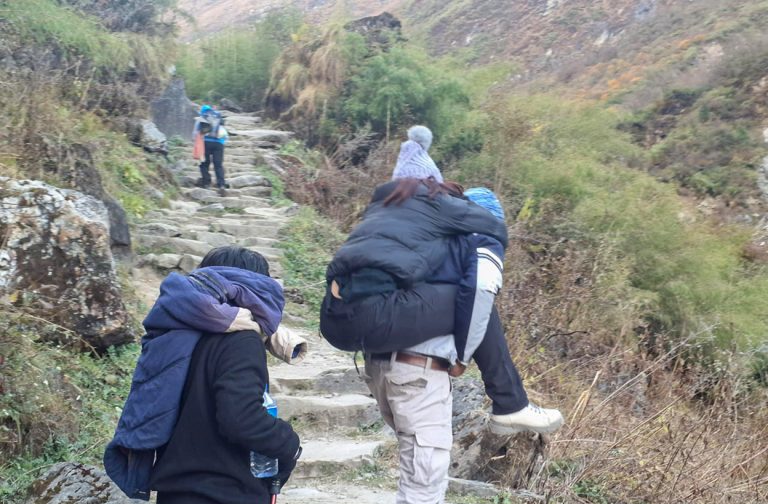
Why Most People Struggle On Annapurna Base Camp Trek
It isn't the mountain, it's the approach. Most of the challenges on the Annapurna Base Camp (ABC) Trek don't come from the trail itself, but from how people prepare for it. A lot of trekkers underestimate what's coming and go in without a clear plan, which is where most problems during trekking in Nepal usually begin.
One common issue is a lack of planning; people just assume they can manage day by day without thinking about pacing, altitude, or recovery. Another big problem is unrealistic expectations.
Many first-time trekkers think it's going to feel like a long hike rather than a multi-day mountain journey. Some even start by copying random itineraries online without understanding their own fitness level or time needs.
That's exactly why things start to feel harder than expected on the trail. If you want a complete understanding of the route, cost, itinerary, and overall experience, you can go through our ABC Trek Guide before planning it.
Common Mistakes on Annapurna Base Camp Trek (And How to Fix Them)
There are several common mistakes that trekkers, especially first-timers, make. Most of these are simple trekking errors that beginners don't even realise until they're already on the trail.
Nevertheless, the question is, can they be fixed? Yes, they're all fixable with a few simple trekking tips in Nepal.
Walking Too Fast
- Problem: You get tired quickly and increase the risk of altitude issues.
- Fix: Walk at a steady, slow pace and take regular breaks.
Overpacking
- Problem: Extra weight drains your energy and makes uphill sections harder.
- Fix: Carry only essentials and keep your backpack as light as possible.
Ignoring Altitude Symptoms
- Problem: Small symptoms can turn serious if ignored.
- Fix: Pay attention to your body and take rest if needed.
No Physical Preparation
- Problem: Long walking hours feel overwhelming without basic fitness.
- Fix: Do simple cardio or hiking practice a few weeks before the trek.
No Proper Itinerary
- Problem: Poor planning leads to rushed days, no acclimatization, and unnecessary fatigue.
- Fix: Follow a well-paced itinerary with proper rest days and gradual altitude gain.
If you want to avoid these beginner mistakes completely, you can go with a guided Annapurna Base Camp Trek – 15 Days package, where everything is properly managed.
How To Avoid These Mistakes (Simple Tips)
All these mistakes are avoidable. With a few smart trekking tips, you can easily avoid mistakes on the ABC Trek and have a much smoother experience on the trail.
- Walk slowly and steadily: Maintain a comfortable pace instead of rushing.
- Stay well hydrated: Drink at least 3 litres of water regularly, even if you don't feel thirsty.
- Train before the trek: Do basic cardio or walking practice to prepare your body.
- Pack smart, not heavy: Carry only essentials to avoid unnecessary strain.
- Follow a proper itinerary: Choose a well-paced plan with enough rest days.
Best Time To Do Annapurna Base Camp Trek To Avoid Common Problems
Choosing the right season can completely change your trekking experience. In fact, one of the biggest reasons people struggle on the trail is simply trekking at the wrong time of year. The weather at ABC affects everything, from trail conditions and mountain visibility to comfort and safety during the journey.
For most beginners, the best time for the Annapurna Base Camp Trek is during spring (March to May) and autumn (September to November). These seasons usually offer stable weather, clearer mountain views, comfortable temperatures, and safer trail conditions compared to the monsoon (June to August) or winter (December to February).
Autumn is especially popular because the skies stay very clear after the monsoon rain. Spring, on the other hand, brings warmer temperatures and beautiful rhododendron forests along the trail.
Monsoon trekking can become difficult for first-time trekkers. Heavy rainfall often makes the stone stair sections slippery, increases the risk of landslides, and blocks mountain views with clouds and fog. Trails can also become muddy and uncomfortable for long walking days.
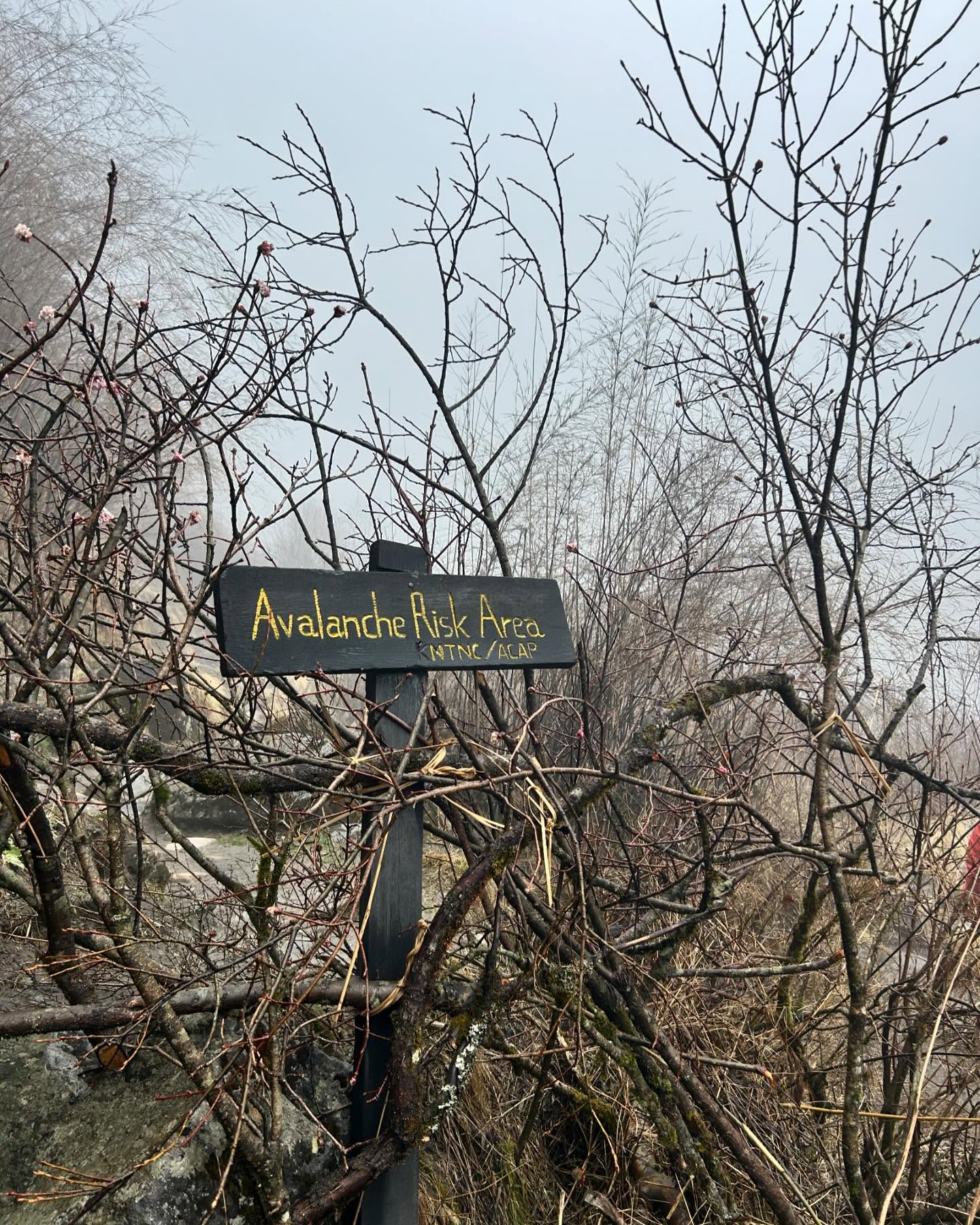
Winter has a different kind of challenge. While the trails are quieter and the mountains look stunning after snowfall, temperatures near ABC can drop well below freezing. Snow and ice around higher sections, such as Deurali and Machhapuchhre Base Camp, may also make the trail harder and less predictable for beginners.
So, season selection matters more than many people expect. Good weather doesn't make the trek "easy," but it definitely makes the experience safer, more comfortable, and far more enjoyable. For most first-time trekkers, spring and autumn remain the safest and most recommended seasons for the ABC Trek.
Common Gear Mistakes Trekkers Make On ABC Trek
A lot of beginners think trekking is only about fitness, but honestly, your gear can make or break the ABC Trek. One of the most common issues is overpacking unnecessary stuff. People carry things they never even use, and it just makes the uphill sections feel twice as hard.
Another big mistake is wearing brand-new trekking boots. If you haven't broken them in properly, expect blisters and discomfort within the first few days. Good, comfortable trekking shoes are honestly non-negotiable here.
Many trekkers also mess up by carrying the wrong clothing layers. Either they bring too much heavy clothing or not enough warm layers for higher altitudes, which makes the temperature shift really hard to manage.
And yes, people often forget rain protection and small essentials, such as a waterproof jacket or rain cover. The weather in the mountains changes quickly, and it can surprise you anytime.
That's why lightweight packing always wins. The less weight you carry, the easier and more enjoyable your trek becomes. If you're unsure, always follow a proper Annapurna Base Camp packing list instead of guessing.
Mental Preparation Is Just As Important As Physical Fitness
When people talk about the difficulty of the Annapurna Base Camp Trek, they usually focus on fitness, walking hours, or altitude. But honestly, what surprises most trekkers is how mental the journey feels. It's not just about strong legs; it's about a strong mindset too.
The ABC Trek involves long walking days, often 5 to 7 hours, with steady uphill climbs and endless stone steps. Physically, you keep moving, but mentally it can feel repetitive and tiring, especially when your body starts slowing down after a few days.
That's why managing expectations is so important. Many beginners imagine the trek as a "long hike with views every day," but in reality, it's more like a slow endurance journey through changing terrain, weather, and fatigue. Some days feel easy, some feel heavy, and that's completely normal.
Another key thing is pacing yourself patiently. You don't need to rush. In fact, slow and steady walking is what makes the trek easier on your body and mind.
The more you try to compete with others, the more tired you'll feel. This is one of the most useful beginner trekking tips that experts in Nepal always highlight.
Avoiding comparison is also a big mental trick. You'll always find faster trekkers, stronger trekkers, and experienced ones on the trail.
Nevertheless, ABC isn't a race; it's your personal journey. Therefore, walking at your own rhythm helps you enjoy the experience instead of stressing about it.
And finally, there'll be tough moments, maybe bad weather, tired legs, or just low-energy days. What keeps you going is simple motivation: remembering why you started this trek in the first place and taking it step by step. At the end of the day, mental strength matters just as much as physical training, sometimes even more.
Should You Hire A Guide To Avoid Mistakes
One of the easiest ways to avoid mistakes is hiring a guide. When it comes to the benefits of hiring a guide for the Annapurna Base Camp Trek, having someone experienced with you can make a noticeable difference, especially if it's your first time trekking in Nepal.
From a safety point of view, a guide knows how to handle altitude, weather changes, and unexpected situations. In terms of pacing, they help you walk at the right speed so you don't exhaust yourself too early.
For navigation, you don't have to worry about confusing trail sections or route decisions. And in terms of local support, guides help with accommodation, food, and general coordination along the way.
Compared to solo trekking, where you manage everything yourself, guided trekking in Nepal feels more structured and less stressful. They help you avoid the most common mistakes and let you focus more on enjoying the trek. If you're still thinking about going solo, you can explore our blog, ABC Trek without a guide, to understand both sides clearly first.
Final Thoughts
Most of these mistakes are easy to avoid once you're aware of them. The biggest difference really comes down to how well you prepare and how mindful you stay during the trek. A little awareness can save you from a lot of unnecessary struggle on the route.
If you follow practical tips for the ABC trek, keep your pace steady, and plan things properly, the whole adventure becomes much more enjoyable. Good planning for trekking in Nepal isn't about perfection; it's about making smart, simple decisions before and during the journey.
At the end of the day, you don't need to be an expert. Just stay prepared, stay patient, and enjoy the trek step by step.