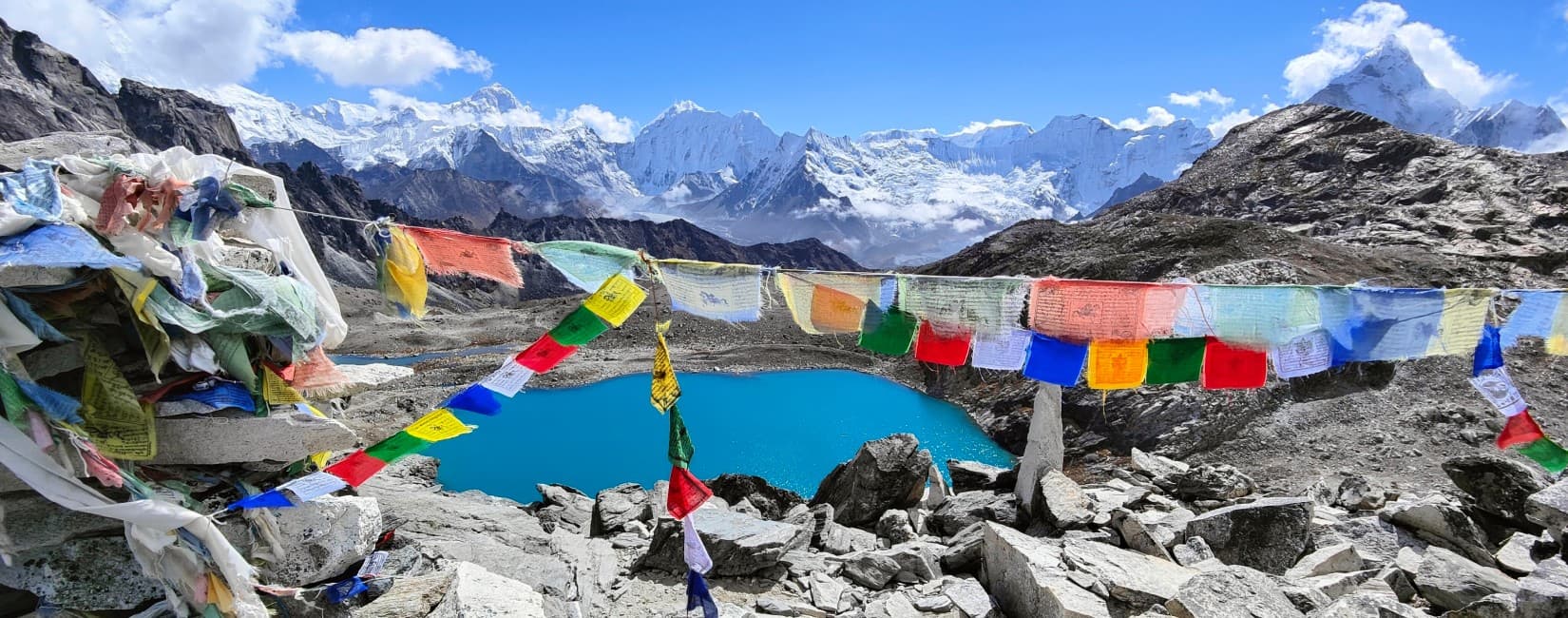
You might be wondering about the cost of the Everest Three High Passes Trek, and yes, it's good to figure out the total expenses before committing to this adventure. It's actually one of the first things every trekker does so that they don't face any trouble during the journey.
Let me be honest with you. It's one of the most expensive treks in Nepal, but at the same time, it's also one of the most rewarding and unforgettable experiences you can have in the Himalayas. You aren't just paying for a trek, you're investing in a once-in-a-lifetime journey.
On average, the total budget for this trek usually falls somewhere between $1,500 to $2,500+, depending on how you plan your trip. In this guide, we'll break down everything, including permits, flights, food, accommodation, guide costs, and hidden expenses, so you know exactly where your money goes.
Total Everest Three High Passes Trek Cost
The total cost of the Everest Three Passes Trek (also called Everest Circuit Trek) falls into three categories: budget ($1,200 to $1,500), standard ($1,500 to $2,500), and premium ($2,500+), depending on how you plan your trip. It can vary a lot based on whether you go independent or guided, the level of comfort you choose (basic teahouses or better services), and even your group size.
One simple thing to remember: guided treks cost more, but they make the entire journey much easier and stress-free, especially on a challenging route like this. If you want a clear idea of what's included, you can check the Everest Three High Passes Trek package price for a complete breakdown.
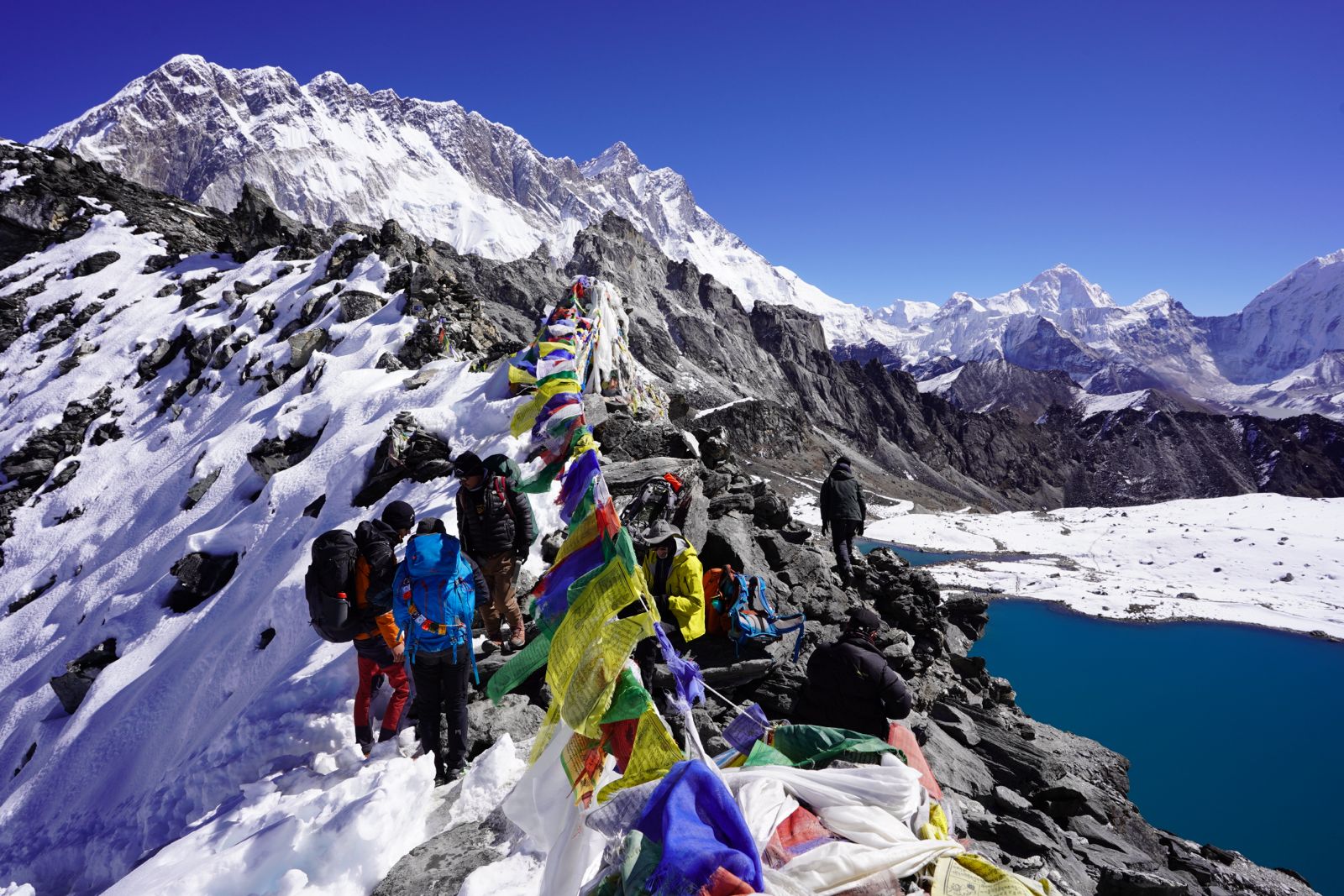
Everest Three Passes Trek Cost Breakdown
Let's break down where your money actually goes during the trek. Your total cost is usually split into a few main parts: permits, flights, food and accommodation, guide/porter, and some extra expenses along the way.
Permits Cost
You need 2 main permits for this trek.
- Sagarmatha National Park permit ($30)
- Khumbu Pasang Lhamu Rural Municipality permit ($20)
So, the total cost of the Everest Three Pass permits comes to around $40 to $60.
Flights Cost (Kathmandu To Lukla)
This is one of the biggest expenses of the trek. The average Lukla flight fare is around $300 to $400 for a round trip, depending on the season and availability. Also, keep in mind that the Kathmandu to Lukla flight can sometimes get delayed due to weather, so it's good to have some buffer days.
Food & Accommodation Cost
The daily cost increases with altitude, so prices get higher as you go up.
On average, expect to spend around $25 to $40 per day on food and accommodation.
For the full trek, your food costs usually range from $400 to $600, depending on your choices. And yes, dal bhat is usually the cheapest and most filling option on the trail, especially in teahouse setups in Nepal.
Guide & Porter Cost
Hiring a guide or porter is optional but highly recommended, especially for this challenging route.
- Guide: $30 to $40 per day
- Porter: $20 to $25 per day
In total, the guide cost for this trek can range from $500 to $1,000, depending on duration and services. The porter cost in Nepal adds extra convenience, letting you trek more comfortably. It definitely makes the trek safer and easier, especially when crossing high passes.
Miscellaneous Costs
There are also small extra costs that many people overlook:
- WiFi
- Charging devices
- Snacks and drinks
- Gear or equipment
These hidden costs of the Everest Trek usually add up to around $100 to $300. In total, these trekking expenses in Nepal can quietly increase your budget, so it's smart to plan for them. These small costs might seem minor, but they add up quickly over the course of the journey.
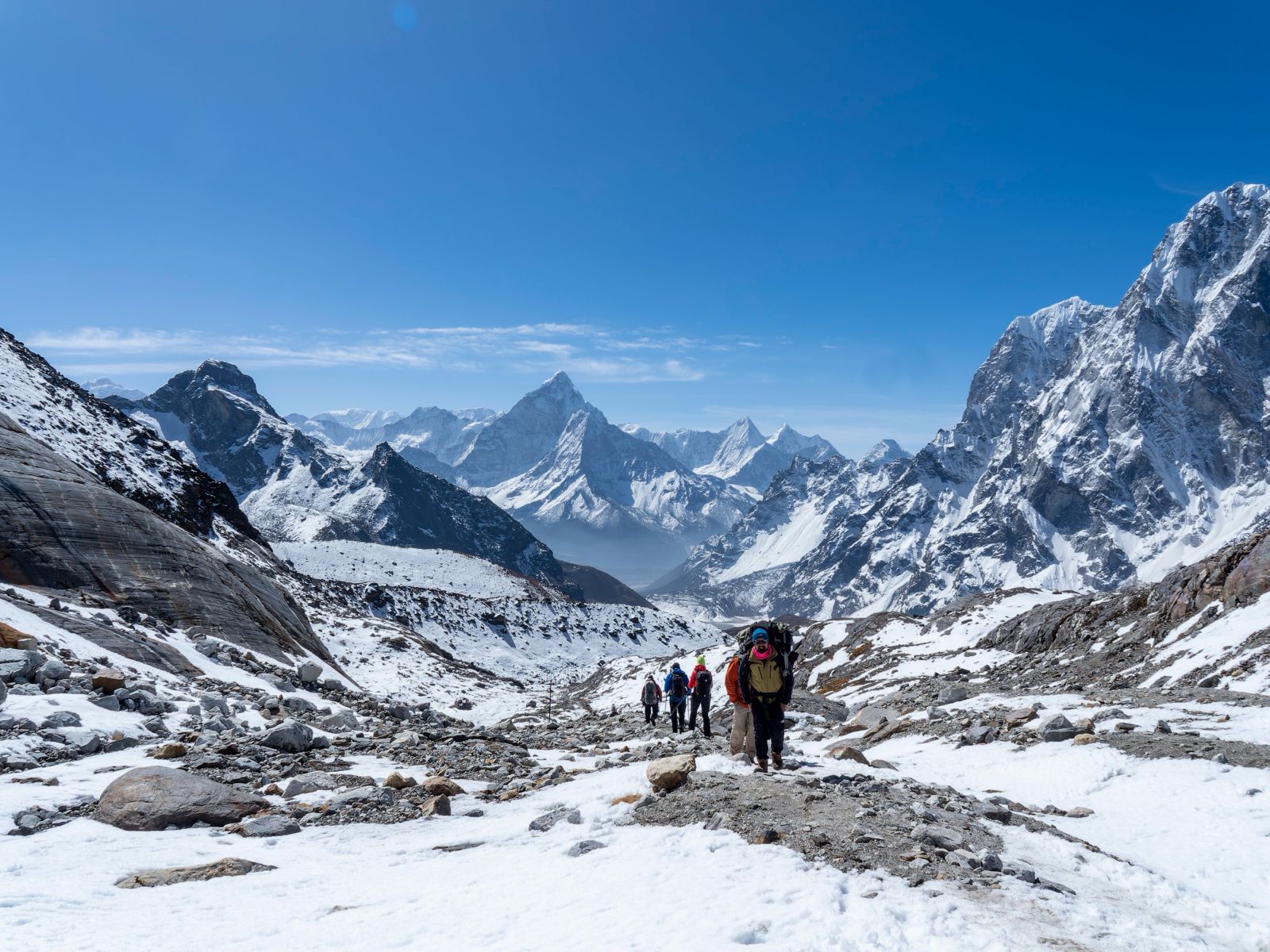
Independent Vs Guided Trek Cost
Now comes the big decision: should you go solo or book a package? This choice directly affects your overall Everest Three Passes Trek cost with a guide, and it's something every trekker needs to think about carefully.
Independent Trek
- Cheaper upfront
- Requires more planning (permits, route, logistics)
- Higher risk, especially in remote and high-altitude sections
Guided Trek
- More expensive
- Includes everything (guide, permits, accommodation planning)
- Much safer and less stressful
When comparing guided vs independent trekking in Nepal, it really comes down to your experience and comfort level. If you're confident and experienced, going solo can save money. Nevertheless, for most people, especially on a challenging route like this, the extra cost is worth the peace of mind.
Factors That Affect The Cost Of Everest Three High Passes Trek
Your total cost can change based on a few key factors:
- Season
- Duration
- Group size
- Accommodation type
- Flight delays
One simple rule to remember: Peak season = higher cost
Season
- Spring and autumn are peak trekking seasons.
- Prices for flights go up due to demand.
- The off-season is cheaper, but the weather is unpredictable.
Duration
- Longer trek = more spending
- Every extra day adds cost for food, lodging, and guide support.
- The Three Passes Trek is longer than the standard EBC, so the budget increases naturally.
Group Size
- Solo trekkers usually pay more per person.
- Group trekking helps split guide and porter costs.
- Bigger groups = slightly lower cost per person.
Accommodation Type
- Basic teahouses = cheaper
- Better rooms or attached bathrooms (where available) = higher cost
- As altitude increases, prices also rise.
Flight Delays (Kathmandu To Lukla)
- Weather delays can add extra hotel nights in Kathmandu or Lukla.
- This is one of the most overlooked factors of the cost of the Everest trek.
Even small changes in planning can significantly affect your trekking cost in Nepal. Therefore, it's smart to keep a buffer budget for flexibility.
Tips To Reduce Everest Circuit Trek Cost
Want to save money? Here are some simple tips:
- Travel in a group
- Eat dal bhat
- Rent gear
- Carry a reusable bottle
- Avoid luxury services
These small choices can make a big difference if you're planning a budget Everest Three Passes Trek without overspending.
Travel In A group
- You can split the guide and porter costs.
- Also, sometimes get cheaper package deals.
- This is one of the easiest ways to reduce your total cost.
Eat Dal Bhat
- It's the cheapest and most filling meal on the trail.
- Refills are free in teahouses.
- Helps control your daily food expenses.
Rent Gear
- Jackets, sleeping bags, and poles can be rented in Kathmandu.
- Saves a lot compared to buying everything new.
- Perfect for short-term trekkers.
Carry A Reusable Bottle
- You avoid constantly buying bottled water.
- Saves money every day on the trail.
- Also better for the environment.
Avoid luxury Services
- Hot showers, WiFi, snacks, and charging all cost extra.
- These "small comforts" quickly increase your total trekking expenses in Nepal.
If you plan smartly and keep things simple, you can enjoy the Himalayas without breaking your budget, and still have an incredible adventure.
Is It Worth The Cost
Yes, it's expensive, but that's the honest truth. The Everest Three High Passes Trek value comes with a higher price tag due to its length, altitude, and remote nature. However, most trekkers will tell you it's worth every dollar.
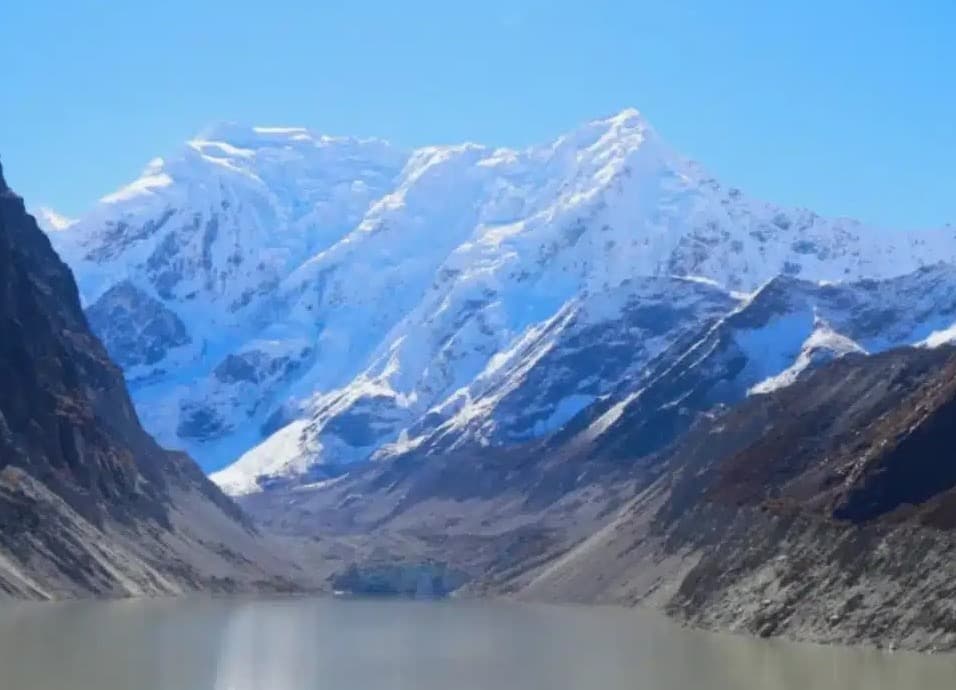
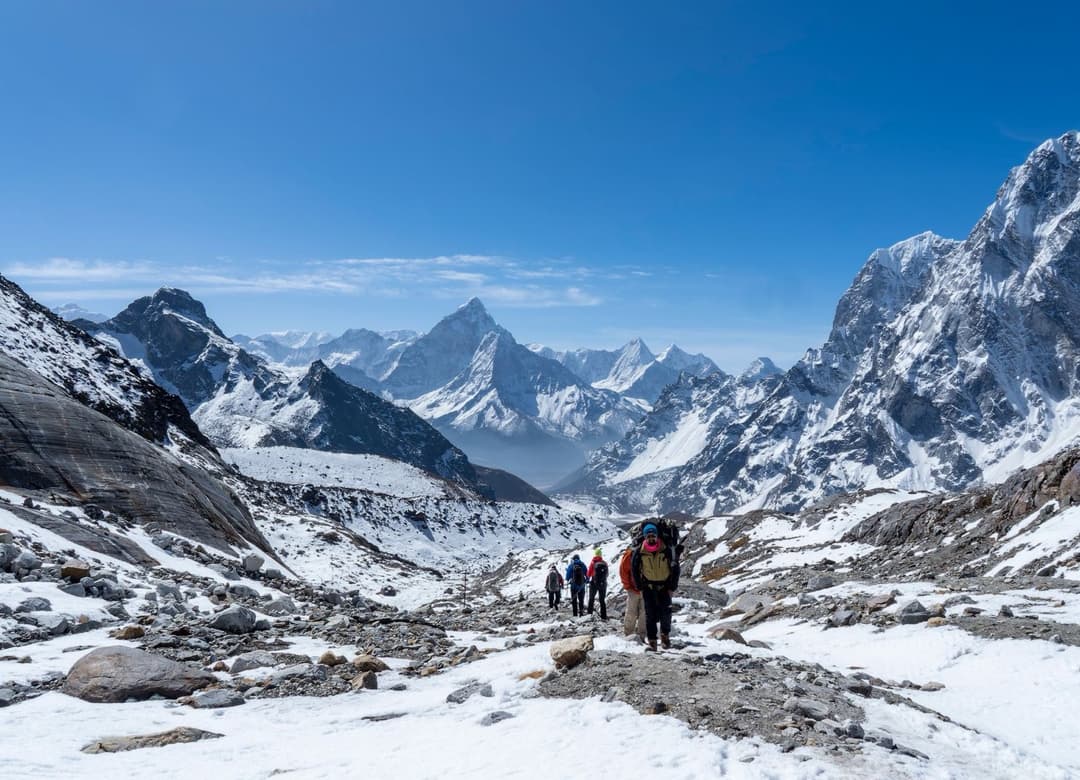
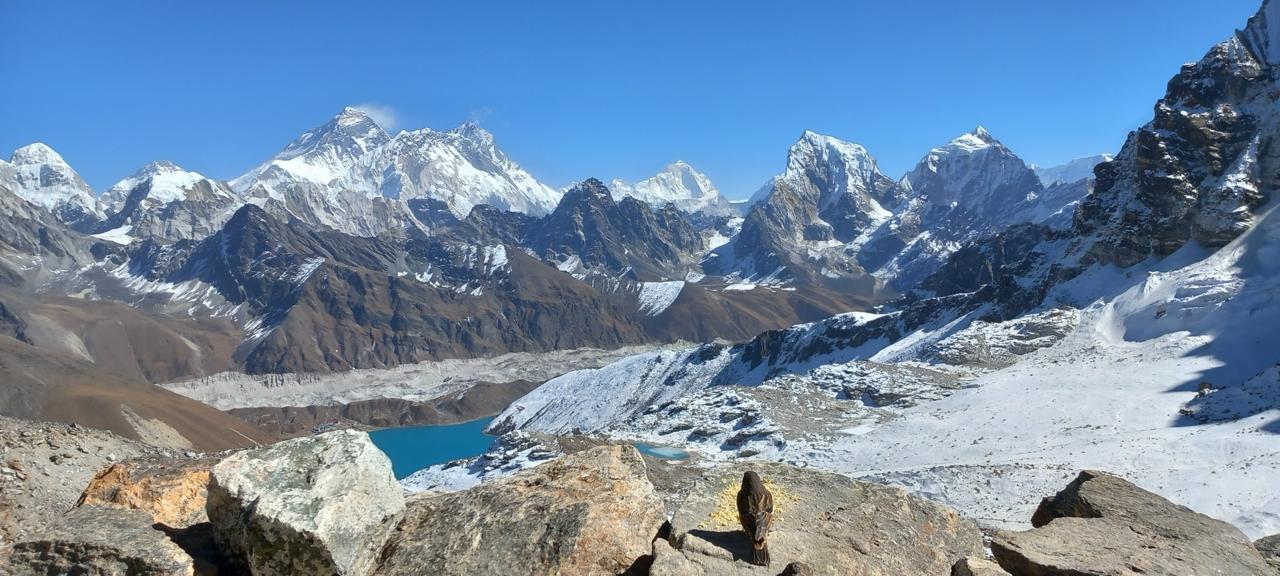
It offers more than the classic EBC Trek. You're not just walking to one destination; you're crossing three high passes above 5,000 m (16,404.2 ft), exploring hidden valleys, and experiencing the full Khumbu circuit. Along the way, you also get unforgettable highlights, such as Gokyo Lakes, glacier views, and much fewer crowds, which makes the whole journey feel more personal and wild.
This isn't just another trek; it's a full Everest adventure trek that combines challenge, beauty, and achievement in one single journey. In the end, it's not only about cost, but about what you get in return: a raw, powerful, and once-in-a-lifetime Himalayan experience.
Want deeper details? Check the complete Everest Three High Passes Trek guide before you decide.