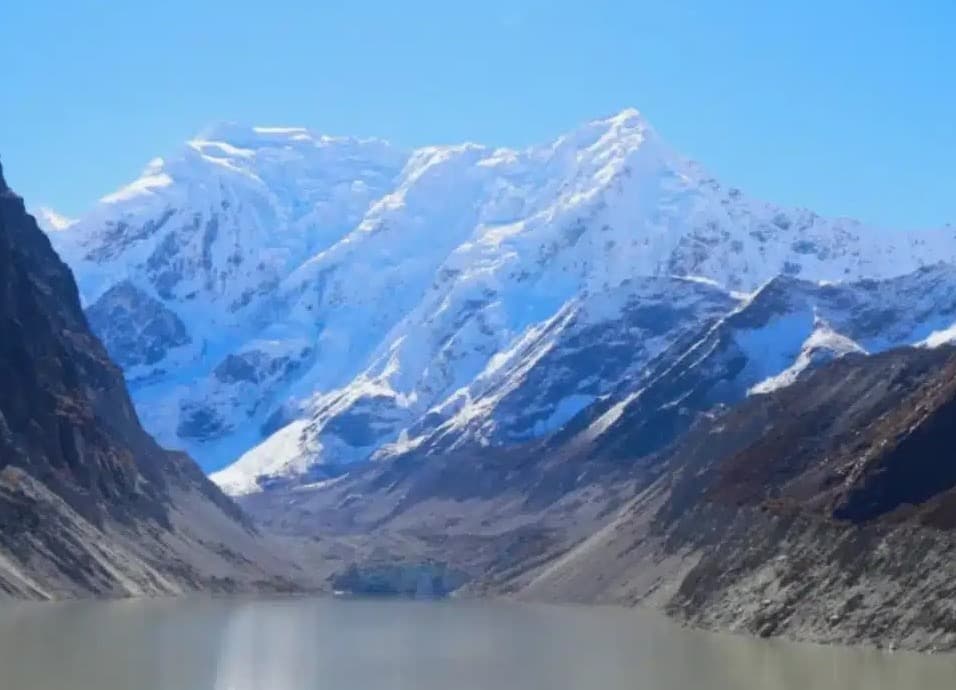
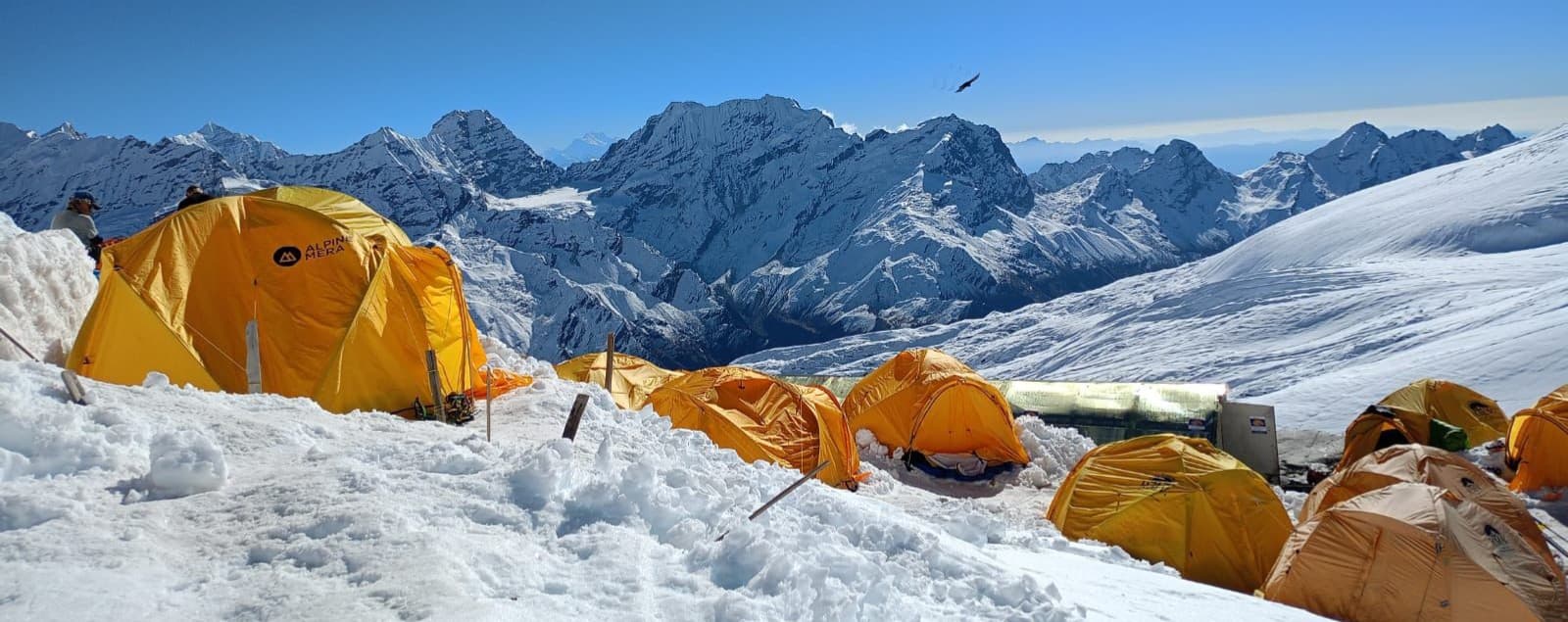
The training plan for climbing Mera Peak sounds simple on paper, right? Think again, this mountain has a way of humbling people who underestimate it.
At 6,476 m (21,246.72 ft), Mera Peak is the highest trekking peak in Nepal. It's non-technical, but that doesn't mean it's easy to climb.
The real challenge isn't ropes or climbing skills, it's how your body handles thin air. Every step feels heavier, your breathing slows down, and even basic movement takes effort. That's exactly why understanding how to train for Mera Peak matters way more than most beginners expect.
Here's the truth: the difference between reaching the summit and turning back often comes down to preparation. You don't need to be an elite athlete or gym freak, but you do need solid endurance, strength, and consistency.
With the right training, this climb becomes completely achievable. Without it, even strong trekkers can struggle badly at altitude. If you're just starting out, our detailed Mera Peak climbing guide will give you a clear idea of what to expect.
Now, let's break down exactly how to train for it. I assure you that this Mera Peak training plan will help you prepare step by step.
Why Training Matters For Mera Peak Climbing
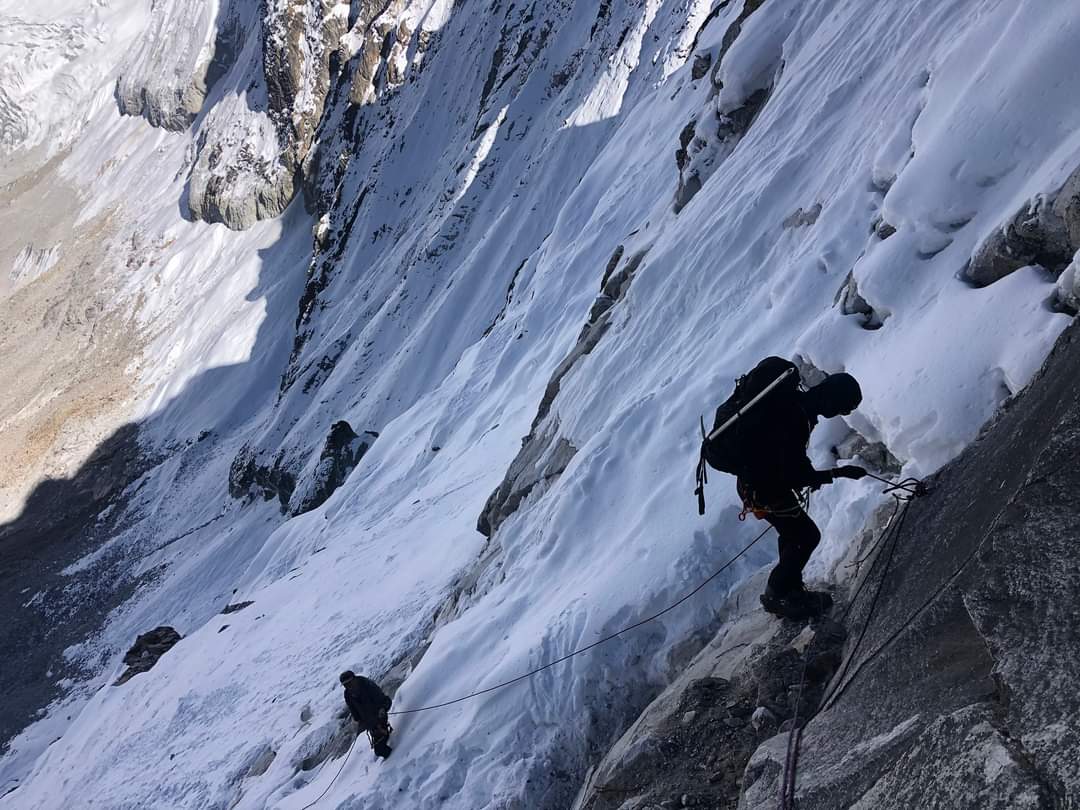
Mera Peak doesn't test your skills. It tests your endurance, and that's exactly where most people get it wrong.
Although, it is considered less difficult than Imja Tse and Lobuche Peak, the real challenge is it's staggering height 21,246 ft. which is nearly 1000 ft. more than the other trekking peaks.
At high altitude, the air gets thinner, meaning your body gets way less oxygen with every breath. As you climb higher, oxygen availability drops significantly due to lower air pressure, making it harder for your body to function normally.
That's why even simple things, like walking slowly uphill, start to feel exhausting. Every step feels heavier, your breathing gets deeper, and your pace naturally slows down, whether you like it or not.
A lot of people assume “trekking peak” means easy, but Mera Peak proves that wrong quickly. Even fit trekkers struggle if they show up unprepared, because gym fitness alone doesn't translate to high altitude performance.
This is where proper high-altitude training becomes essential, as it builds endurance, improves stamina, and helps your body recover more quickly day after day. Without that base, fatigue builds up fast. In the end, to safely ascend Mera Peak, training isn't optional, it's what makes the climb possible.
How Fit Do You Need To Be
You don't need to be super fit, but you do need to be prepared. Climbing Mera Peak isn't about lifting the biggest weights in the gym; it's about how long your body can move steadily day after day in thin air.
On the actual climb, you can expect 6 to 10 hours of hiking per day on uneven terrain, often with a loaded backpack and in cold conditions. Therefore, being able to walk for multiple hours without crashing out is the real baseline.
Your fitness level for Mera Peak doesn't need to be elite, but it does need to be consistent. Think less “bodybuilder” and more “stamina athlete”, the kind of endurance built from long hikes, cardio sessions, and steady pacing.
It's not just physical: mental strength counts just as much when every day feels like a slow grind uphill. If you've ever hiked for hours without feeling destroyed, you're on the right track. And with a little training, your body will start to expect long, steady movement rather than dread it.
Here are some quick tips for mental stamina:
- Practice hikes with a backpack.
- Get used to slow, repetitive effort.
- Build confidence in long-duration movement.
Consistency and endurance truly matter most at altitude.
Mera Peak Training Plan (12-Week Breakdown)
When it comes to preparing for a big climb like this, slow and steady really does win the race. Your preparation for Mera Peak should build gradually, giving your body time to adapt to increasing physical demands instead of going all‑out from day one. Most climbers start with a solid base of cardiovascular work and light hikes, then build strength and endurance over time before simulating the long, continuous days you'll face on the mountain.
Weeks 1 To 4: Build Your Base
Start simple and build a routine you can stick with. Focus on 30 to 45 minutes of cardio, such as jogging, cycling, or brisk walking, 3 to 4 times per week, and add a few light hikes on weekends if possible.
The goal here isn't intensity. It's consistency and building that training habit. Think of it as laying the foundation for everything that comes after.
Weeks 5 To 8: Build Strength & Endurance
Now it's time to add a bit more challenge. Increase your hikes to 3 to 5 hours when possible (even split over multiple days), and introduce leg‑focused workouts like squats and lunges to build the muscles you'll rely on most. This is where real progress happens. Your body begins to adapt to longer efforts and heavier loads.

Weeks 9 To 12: Peak & Taper Phase
The final phase gets you as close as possible to your actual climb conditions. Do long hikes on back‑to‑back days with a loaded pack to mimic summit push demands, then start tapering in the last week or two by reducing overall power.
You should feel tired from all the work, but also stronger and more confident than when you started. This kind of planned progression makes the long hours on the trail feel more manageable and helps your body handle the real demands of a 6,476 m climb at altitude.
Best Exercises For Mera Peak Training
You don't need fancy workouts, just the right ones. The goal isn't to look strong in the gym, but to build the kind of endurance and strength that actually translates to long days on the mountain.
- Cardio (running, hiking, cycling): Builds your heart and lung capacity, so your body can handle long hours of movement at altitude.
- Stair climbing (Very important): Mimics uphill trekking and strengthens legs while improving endurance, one of the closest gym alternatives to real climbing.
- trength training (legs + core): Focus on squats, lunges, and step-ups to build the muscles you'll rely on during steep ascents.
- Core workouts: Helps with balance, posture, and stability, especially when carrying a backpack.
- Hiking with a backpack: Trains your body for real conditions and helps you get used to carrying weight for hours.
These exercises are the foundation of effective fitness training for trekking, as they directly mimic what your body goes through on Mera Peak. Instead of random workouts, you're training specifically for uphill movement, long days, and carrying a load, exactly what the climb demands.
Real Mountain Simulation
This is the most important training you can do. Seriously, if you only take one thing from this entire plan, make it this.
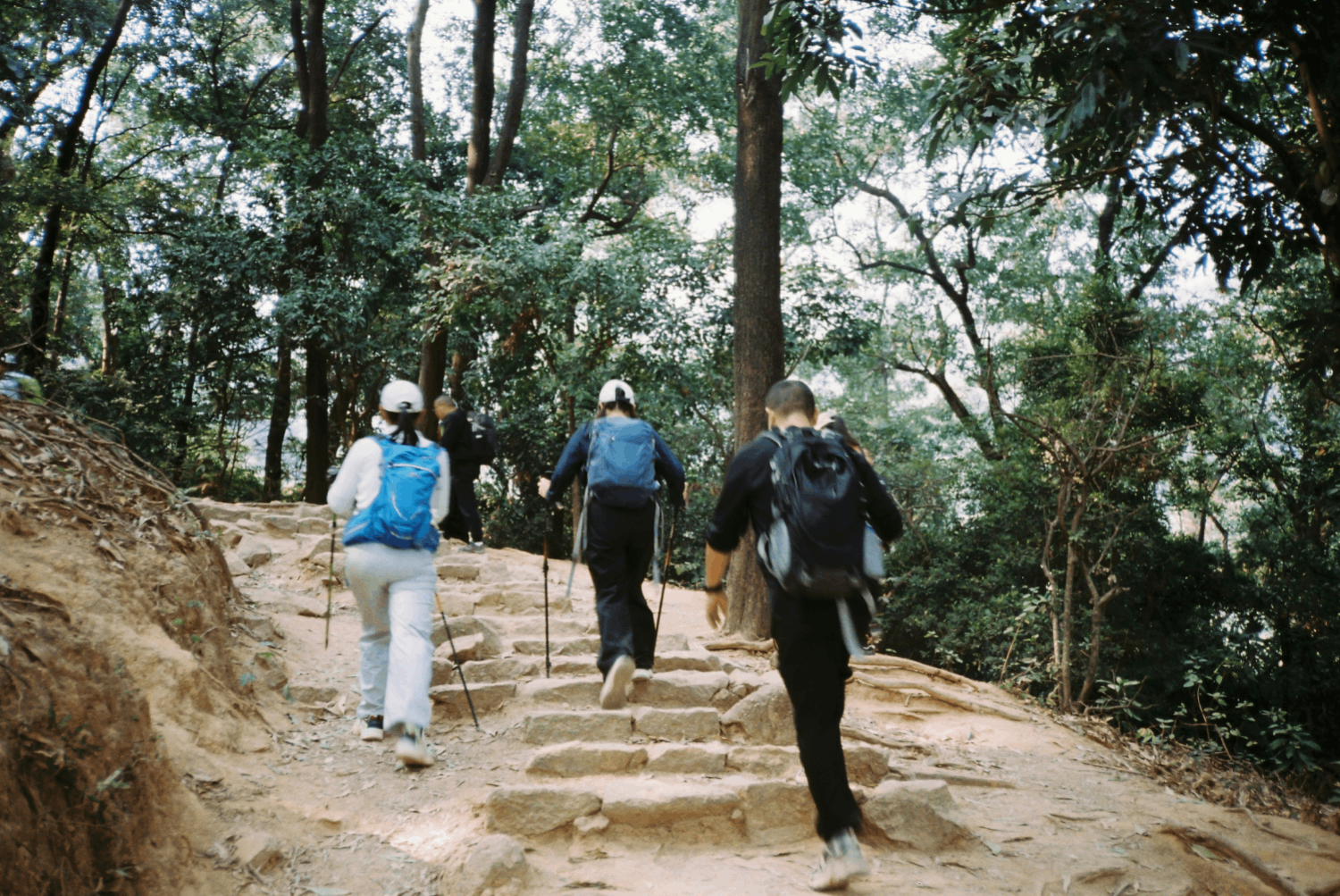
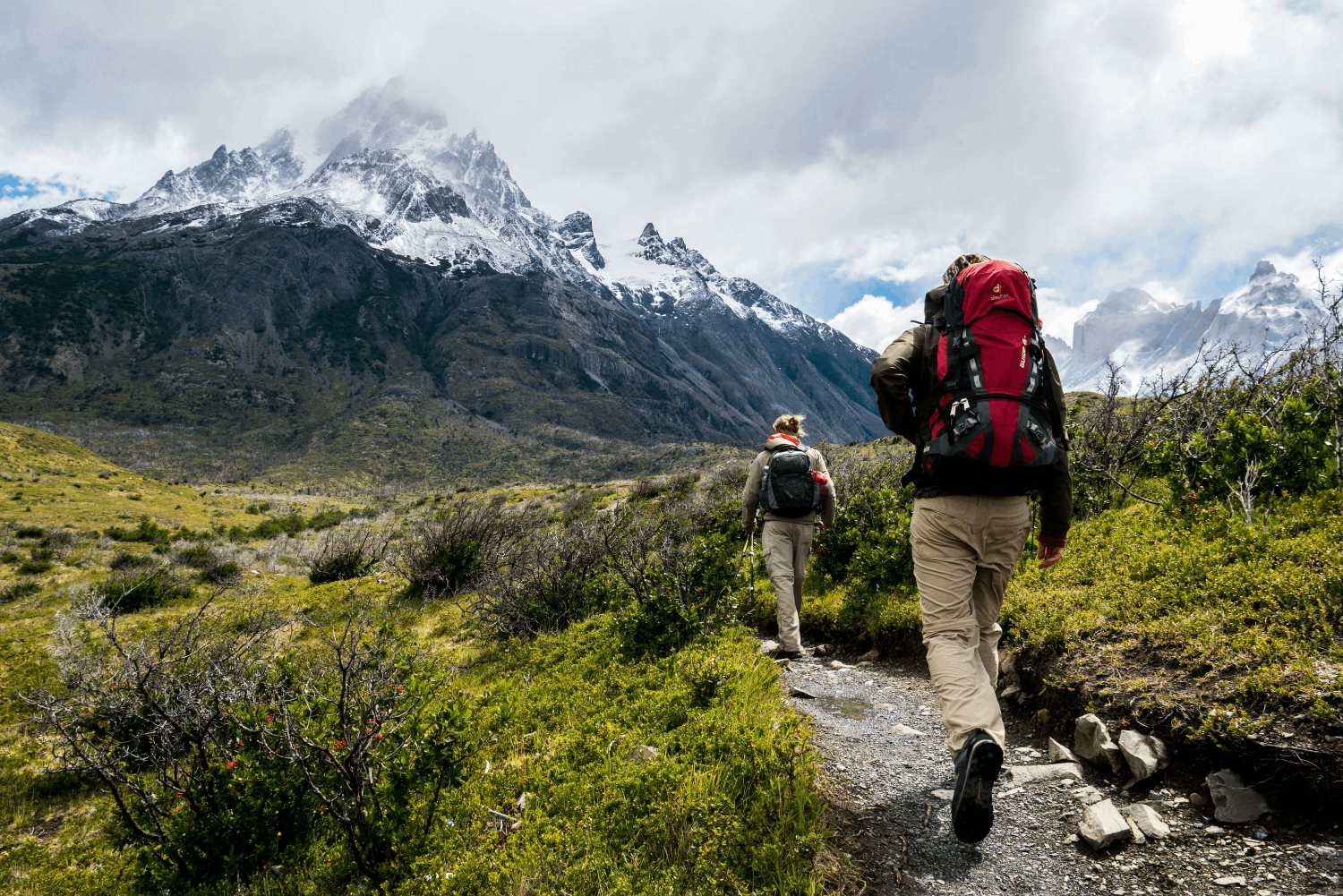
Start hiking with a loaded backpack (around 5 to 7 kg) and focus on going uphill whenever possible. You don't need a real mountain; stairs, hills, or any uphill path can train your body the same way. The goal is simple: get your body used to moving for hours with weight on your back.
Why does this matter so much? Because this is exactly what Mera Peak feels like in real life. Walking with a weighted backpack (often called “rucking”) builds strength, endurance, and stamina in a way normal workouts can't.
Your legs, lungs, and even your balance start adapting to the same stress you'll face during the climb. This is where your summit preparation becomes real, not just theory. If your training doesn't feel like climbing, it isn't enough.
Common Training Mistakes To Avoid
Most people don't fail because they're weak; they fail because they train incorrectly. A lot of mistakes come from misunderstanding what mountain training actually requires, especially when altitude and long trekking days are involved.
- Starting too late: Trying to prepare in a few weeks never works. Your body needs time to build endurance and adapt.
- Only doing cardio: Cardio helps, but without strength and endurance, your legs will give up first.
- No hiking practice: Gym workouts don't fully prepare you because real trekking involves uneven terrain, long hours, and carrying weight.
- Overtraining: Going too hard, too fast, leads to fatigue, burnout, or even injury. Progress should be gradual.
- Ignoring altitude preparation: Many people underestimate altitude, but reduced oxygen and poor pacing can quickly drain your energy and performance.
At the end of the day, smart training beats hard training.
Do You Need Technical Training
No, but basic skills help. Mera Peak is considered a non-technical peak, which means you don't need advanced mountaineering skills like rock climbing or complex rope work to reach the summit.
But that doesn't mean you just walk up like a normal trek. There are still a few basic things you'll use along the way.
As you get closer to the summit, you'll be walking on snow and glaciers, which is where gear like crampons and an ice axe comes in. These aren't used in a highly technical way; they're mostly for balance, grip, and safety on icy terrain.
The good news? You don't need to master these skills early. You'll learn most of this during the climb, usually during a short training session before the summit push, guided by experienced instructors.
So overall, no technical background is required. However, being open to learning a few basics will make your climb smoother and way more comfortable.
How Long Should You Train Before Mera Peak
Ideally, 3 to 4 months of training is the sweet spot for most people preparing for Mera Peak. This gives your body enough time to gradually build endurance, strength, and stamina without rushing or risking injury. In fact, most high-altitude training plans recommend starting at least 8 to 12 weeks in advance so your body can properly adapt to long trekking days and lower oxygen levels.
If you're a beginner, it's even better to aim for 4 to 6 months, especially if you're starting from a low fitness base. On the other hand, if you're already active and used to hiking or endurance sports, you can get ready in around 2 to 3 months with consistent effort. Either way, one thing stays true: the earlier you start, the easier the climb feels.
Final Training Tips For Summit Success
Before you wrap up your training, keep a few simple things in mind. These small habits often make the biggest difference when you're actually on the mountain.
- Consistency: It matters more than intensity. Therefore, training regularly builds real endurance over time, much more than occasional hard workouts.
- Train outdoors: Do it whenever possible, as uneven terrain, hills, and weather conditions prepare your body for real trekking situations.
- Rest Properly: Rest and recovery are part of training. Your body adapts and gets stronger during recovery, not just during workouts.
- Listen to your body: Pushing is good, but ignoring fatigue or pain can lead to injury and setbacks.
Keep it simple: train smart, stay consistent, and your summit chances go way up.
Conclusion
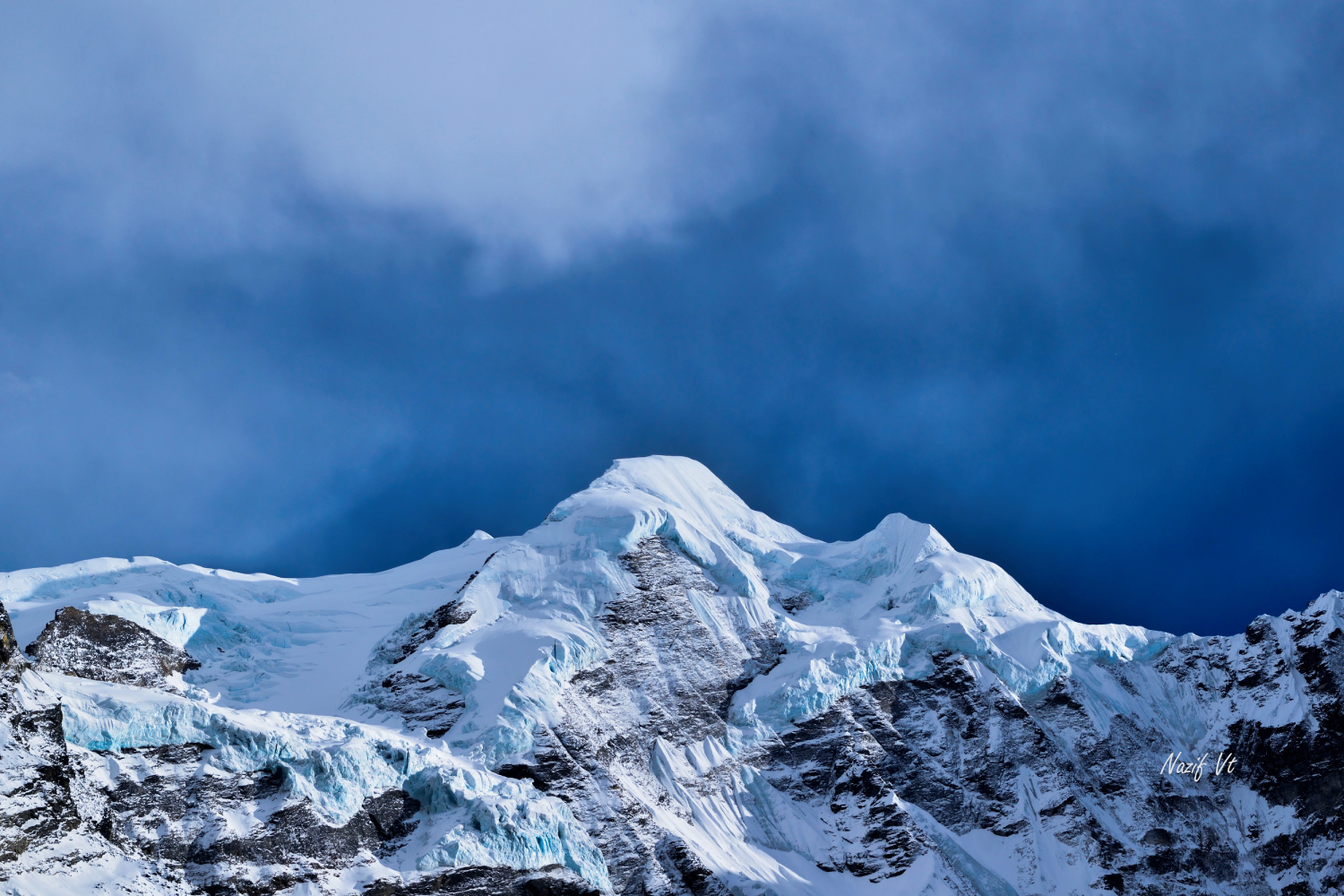
With the right training plan for the Mera Peak expedition and proper summit preparation, this climb becomes far more achievable than it first seems. At 6,476 m, it isn't technical, but the altitude and long days demand real endurance, consistency, and preparation.
When you train smart and show up ready, you don't just improve your chances, you climb with confidence and actually enjoy the journey. As many climbers learn, success on Mera Peak varies more with preparation than experience alone.
The mountain rewards those who prepare. Hence, if you're serious about standing above the Himalayas, don't leave it to chance.
Join our 18-day Mera Peak Climbing adventure and climb with expert guidance, proper acclimatisation, and a well-planned itinerary. Each season has limited departures. Thus, the best climbing windows fill up fast.