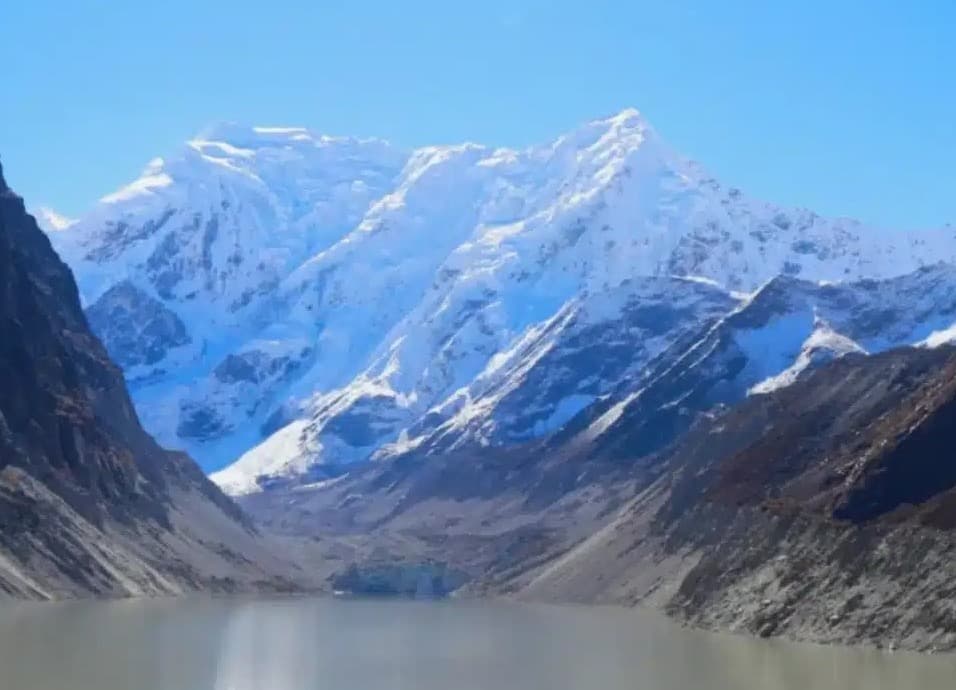
Introduction
Learning about the challenges of the Nar Phu Valley Trek is essential before embarking on this remote journey. If you're planning to discover this hidden Himalayan gem, then you're welcome. You've come to the right place.
This trek offers a rare experience of untouched culture, panoramic terrains, and real wilderness. The trail to the valley is demanding, yet rewarding.
Unlike other popular trekking destinations in Nepal, Nar Phu Valley lies in a restricted area. It means fewer crowds on the routes but more logistical challenges.
The journey includes high-altitude crossings, the Kang La Pass, long hiking days, and limited infrastructure, making it a moderate to challenging trek. Nevertheless, with proper preparation, a suitable mindset, and a well-planned itinerary, it's definitely possible for dedicated hikers.
This article covers everything you need to understand, from elevation and landscape to fitness and permit requirements, so you can decide whether this adventure is perfect for you. Whether you're a beginner or an experienced hiker searching for off-the-beaten-path this time, we'll help you prepare with confidence.
Overview Of The Nar Phu Valley Trek
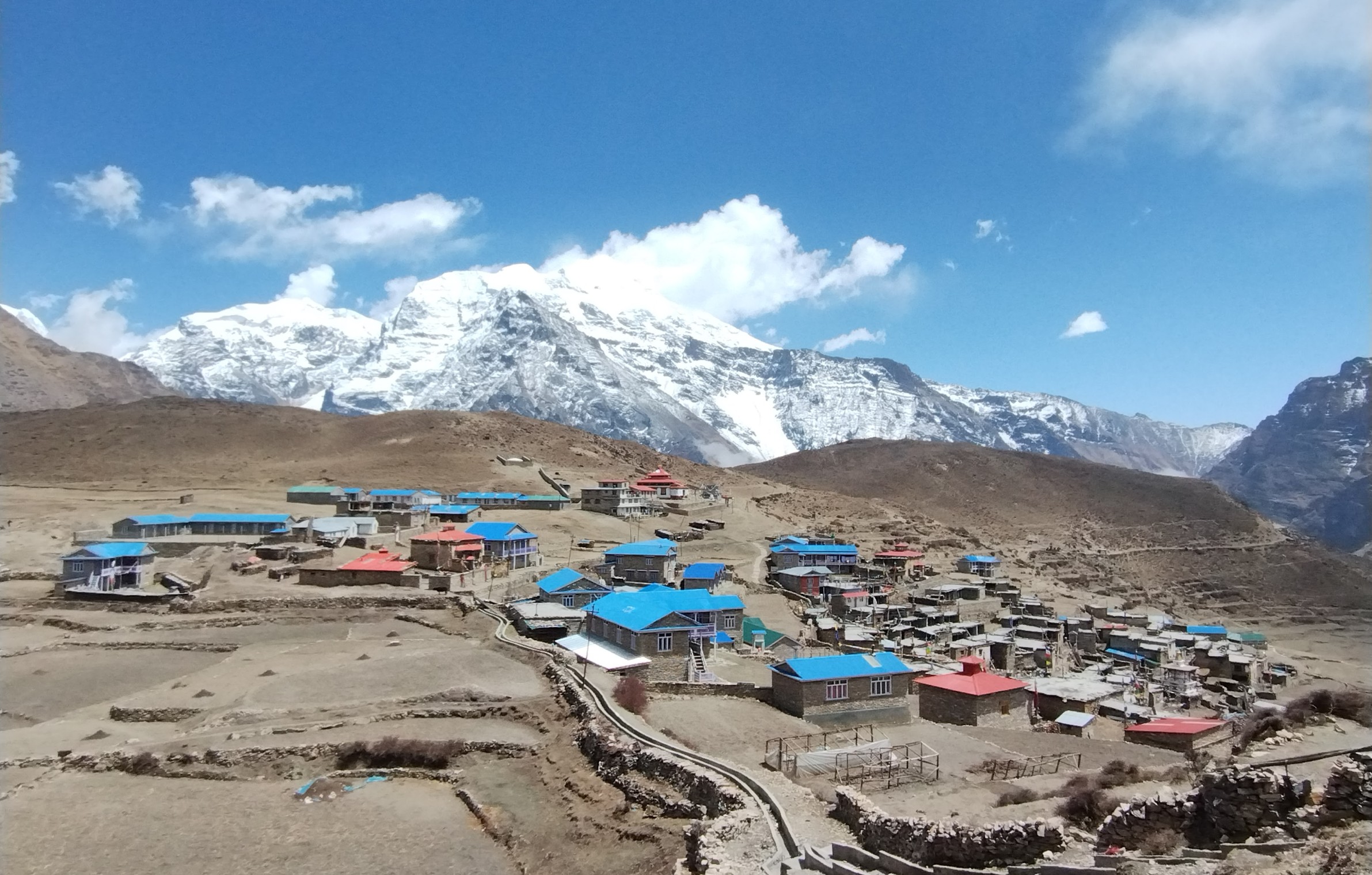
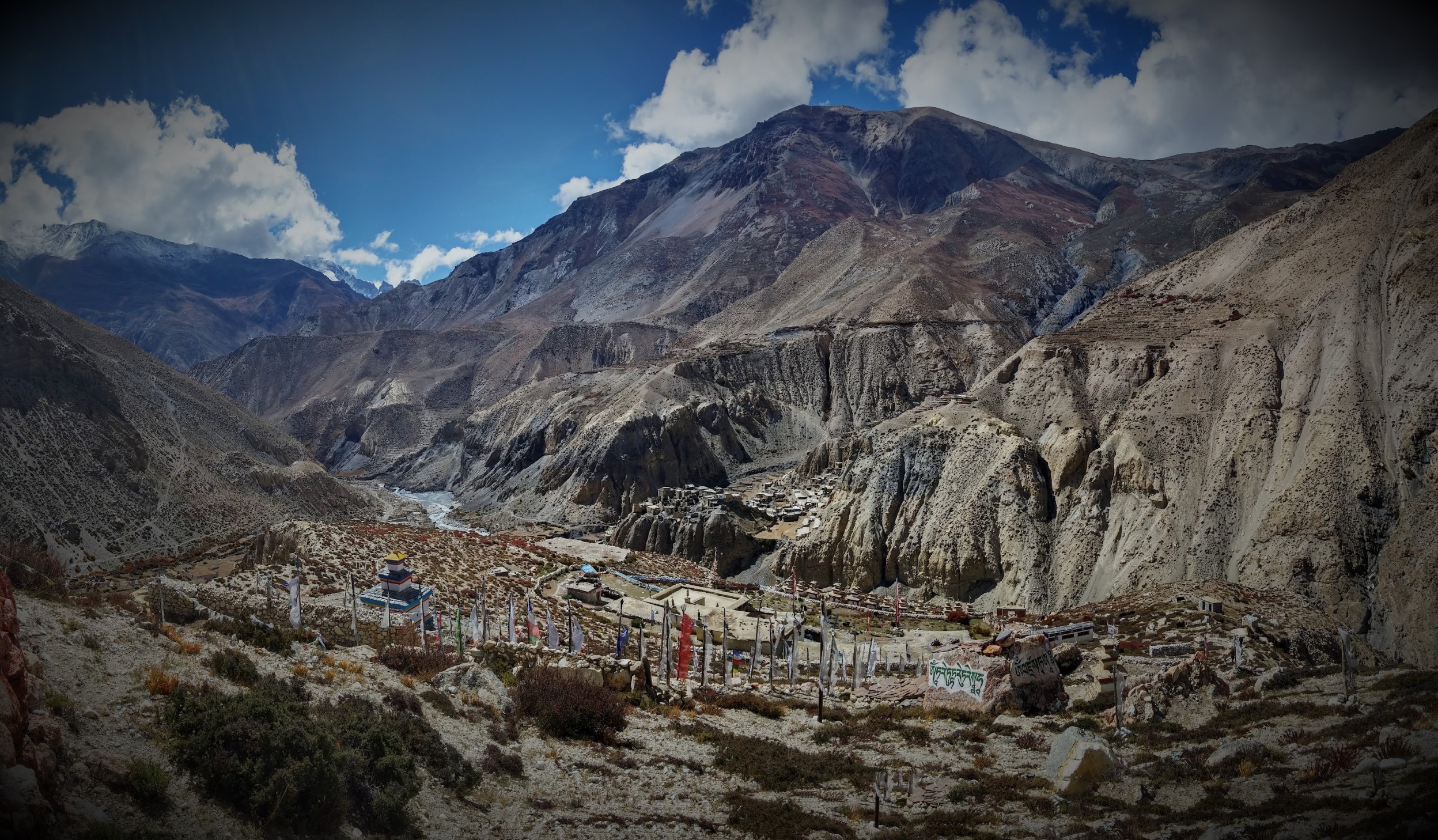
The Nar Phu Valley Trek is located in the Manang District of Gandaki Province, within the Annapurna Region of western Nepal. It's the blend of two different villages, Nar (4,150 m/13,615.49 ft) and Phu (4,050 m/13,287.4 ft).
The valley is highly influenced by Tibetan Buddhist culture and traditions, and surrounded by the mountain ranges, Annapurna and Damodar. Nature's beauty and local culture make this journey unique.
The trek offers a pure remote experience at high altitude. It's off-the-beaten-path treks in Nepal, as the valley is currently a lesser-known trail compared to other famous destinations such as Poon Hill, Annapurna Base Camp, Everest Base Camp, and Langtang Valley, despite its cultural significance and natural beauty.
The entire valley is designated as a restricted area due to its proximity to the Tibet-China border, its rich ancient Tibetan culture, and its fragile Himalayan ecosystem. As a result, a restricted area permit (RAP) is required to go on this trek, along with an Annapurna Conservation Area Permit (ACAP).
How Difficult Is The Nar Phu Valley Trek
The difficulty level of the Nar Phu Valley Trek is moderate to challenging. It's basically ideal for those with good fitness and some prior trekking experience.
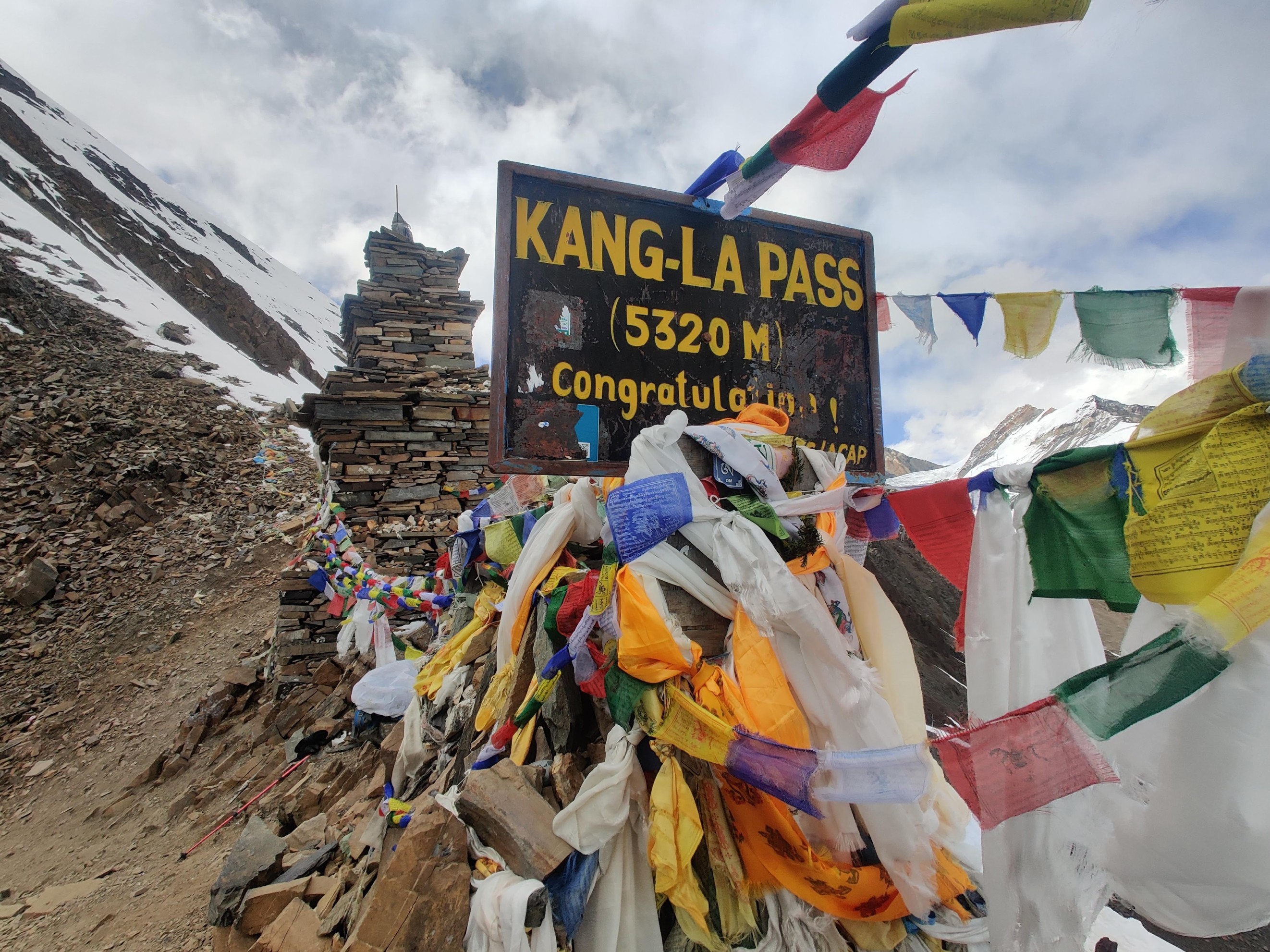
You'll generally walk six to eight hours every day on rough trails, starting from around 2,600 m (8,530.18 ft) and reaching the trek's highest point, Kang La Pass, sitting at an altitude of 5,300 m (17,388.45 ft). Altitude sickness becomes a major concern. That's what makes this adventure tough.
The journey isn't like the other developed trails. It's indeed a remote trek in Nepal, as the accommodation facilities and rescue or communication options are limited along the way. The isolation adds both beauty and difficulty, requiring a strong mentality in addition to physical endurance.
Yet, it's not technically demanding. Therefore, you aren't required to have any advanced training, just a good acclimatisation, preparation, and a relaxed pace.
Maintain a strong mindset and plan wisely. The challenge becomes part of the journey, which rewards you later with one of the most amazing outdoor experiences in the world.
Factors That Affect Nar Phu Valley Trek Difficulty
The difficulty of the Nar Phu Valley Trek is affected by not just one but several factors that make this trip moderate to challenging. Thus, learning about these aspects will assist you in preparing better for the potential challenges you may encounter during the journey.
Below are the key elements that contribute to the difficulty of this trek:
High Altitude Challenges
The high elevation is one of the major factors that influence the trek's difficulty. The main challenge you'll face is on the final day, when you cross Kang La Pass, which is above 5,000 m (16,404.02 ft).
At such a height, altitude sickness is common. So, it's necessary to have proper acclimatisation before the final day.
Trek Duration And Distance
The journey is normally 11 days, during which you hike for 6 to 8 hours each day. Physical endurance and consistency are essential to handle the long distances involved.
Remote And Isolated Terrain
Currently, the valley is one of the least explored regions in the country. During the trek, you'll go through some untouched villages where facilities are limited, making it challenging.
Weather Conditions
The Himalayan weather is never certain. It can change at any time, making the trek harder as temperatures drop, winds become strong, and snowfall occurs.
Trail Conditions
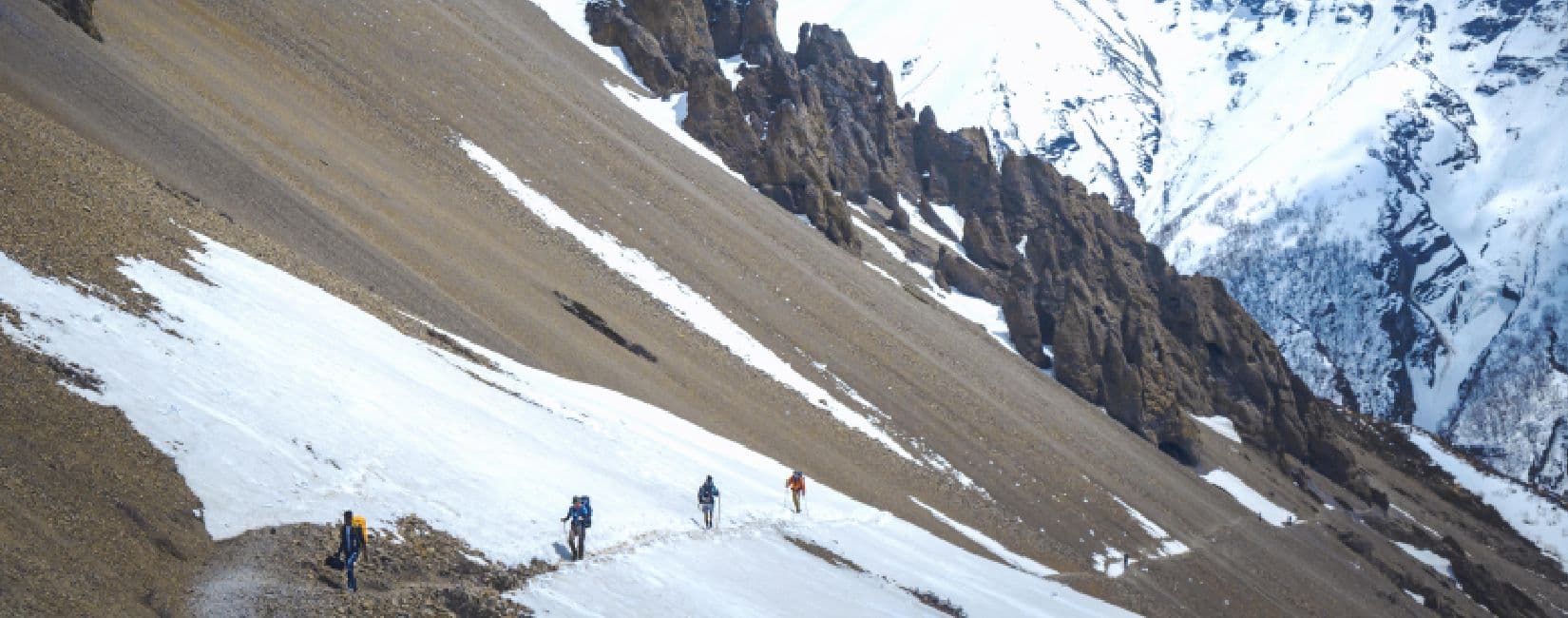
The trail is mostly steep, rocky, and narrow, meaning you should exercise caution while walking and maintain good balance.
Is Nar Phu Valley Trek Suitable For Beginners
Since the Nar Phu Valley Trek is moderate to challenging in difficulty, we don't recommend it for beginners or first-time trekkers. It's best for experienced hikers and someone who's good at physical fitness.
However, it doesn't mean that beginners can't do this trek. It's tough, but with proper preparation, it's possible.
Below are some key considerations for beginners to enjoy this journey safely:
Daily Workout
You must be in good condition and have strong stamina for this trek. If you're not a daily exercise person, try doing cardio and leg-strength workouts for an hour every day, at least a month before the trek.
Elevation & Challenges
You'll reach above 5,000 m (16,404.02 ft) on this trek, which is extremely high for those residing at sea level. Therefore, walk slowly with frequent short breaks while hiking.
Spend an extra day in the same place once you reach 3,000 m (9,842.52 ft). It helps acclimate your body to a high-altitude environment.
The region is also completely remote and rough, with steep, rocky, and sometimes icy trails, especially in Kang La and the nearby area. Hence, you need to be cautious during the trek.
Guide Mandatory
Since the region is considered a restricted area, you're not allowed to trek solo. You must hire a guide and have at least two people in a group. If you're a beginner, contact a local tour agency to hire a licensed professional guide and arrange your program.
Note: If you're planning to trek in high altitude locations like the Nar Phu Valley, we highly suggest you choose the Annapurna Circuit Trek instead. It's also moderate to challenging in difficulty and located in the same district, Manang. However, it offers better infrastructure, such as well-established hotels and easier access for help in emergencies.
Required Fitness Level For Nar Phu Valley Trek
You'll walk for days and gain significant elevation on the Nar Phu Valley Trek. So, the required fitness level for this journey is moderate to high.
You shouldn't have a problem hiking 6 to 8 hours straight a day on rugged terrain and steep trails with a heavy backpack on your shoulder. Before stepping out for this high-altitude trip, ensure you have proper fitness, good stamina, and strong legs to enjoy it by being less tired.
As stated above, we strongly recommend starting to exercise for at least an hour a day, a month before your travel date. You can consider doing workouts such as running, cycling, swimming, stair climbing, and hiking nearby hills.
These workouts help you build endurance, power, and the ability to adjust to continuous physical effort. Always begin your daily exercise with 10 minutes of body stretching. Although technical climbing skills aren't required, physical preparedness will help you lower the overall difficulty in this trek and complete it safely and confidently.
Altitude Sickness And Safety Tips
When venturing into high-altitude locations like the Nar Phu Valley, altitude sickness, also known as acute mountain sickness (AMS), is most likely to occur, especially to first-time trekkers, as the trail reaches altitudes above 5,000 m. The higher you go, the lower the oxygen level, causing symptoms such as the following:
- Headache (the most common one)
- Nausea or vomiting
- Dizziness
- Fatigue or tiredness
- Loss of appetite
- Trouble sleeping
Listening to your body during trekking is essential, and also never ignore the early signs of symptoms.
Acclimatising properly is the best way to prevent AMS. For that, you need to hike gradually with frequent breaks, taking rest days, and drinking at least 3 litres a day to stay hydrated throughout the journey. Avoid alcohol and cigarettes, as they dehydrate your body and hamper your stamina, respectively.
The Nar Phu Valley Trek isn't possible without an experienced guide. You'll need to hire them anyway for your safety.
Additionally, bring basic medicines (Ibrufen, paracetamol, and acetazolamide), prioritise high-carb foods, and descend forthwith if either of the symptoms of AMS are found in your body. We can't eliminate the risk entirely, but it can be reduced to sme extent with the right precautions.
Permits And Restrictions
As the entire Nar Phu Valley lies within a restricted area, an RAP is compulsory for all foreigners to help protect the local culture, environment, and border security. Besides RAP, ACAP is also required because the trail lies within the Annapurna Region.
Another important thing is that you must have a group of at least two people and hire an experienced guide for the safety throughout the Nar Phu Valley Trek. A guide is needed because they not only lead you along the correct path but also look after your well-being.
To obtain these permits and hire a guide, you may contact an authorised trekking agency, like Heaven Himalaya. We're here at your service at all times. We can arrange everything related to your trekking program, from permits to guides to transportation, according to your preferences.
Best Time To Trek Nar Phu Valley
Spring (March to May) and autumn (September to November) are considered the best times for trekking in Nar Phu Valley. During these times of year, your journey would be enjoyable and safer, as the skies are clear, the weather is mostly stable, and the mountain views are incredible. Apart from good visibility and stable weather, spring offers moderate temperatures, longer daylight hours, and colourful trails, while autumn offers lush green landscapes and dry routes.
Winter (December to February) and monsoon (June to August) are challenging due to freezing cold temperatures, snowfall, and heavy rainfall. Especially during the rainy season, the condition is harsh due to unstable weather. So, these two seasons are not recommended for trekking.