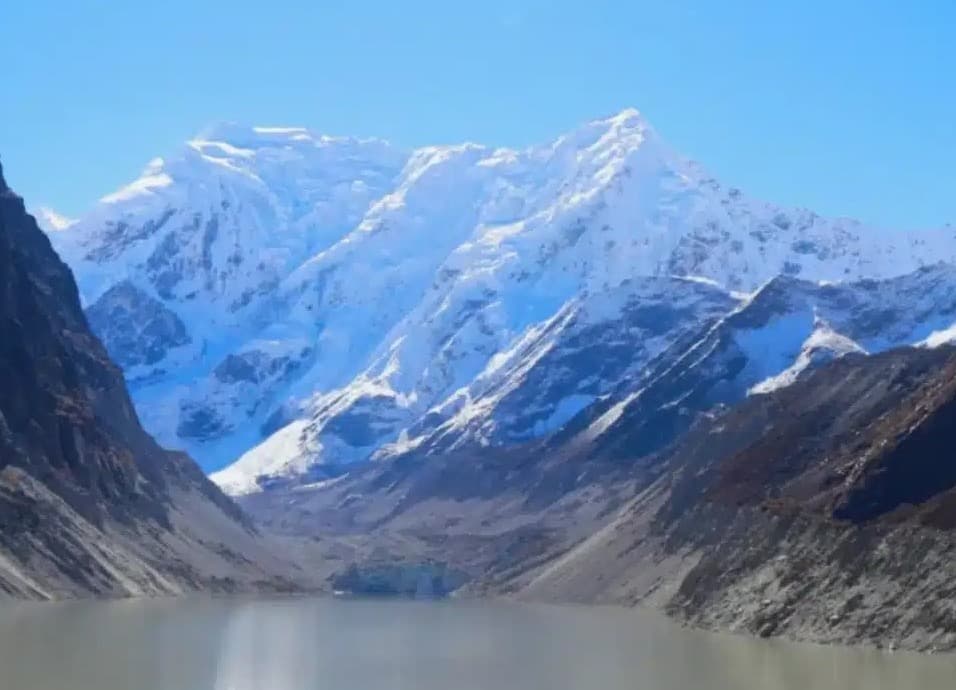
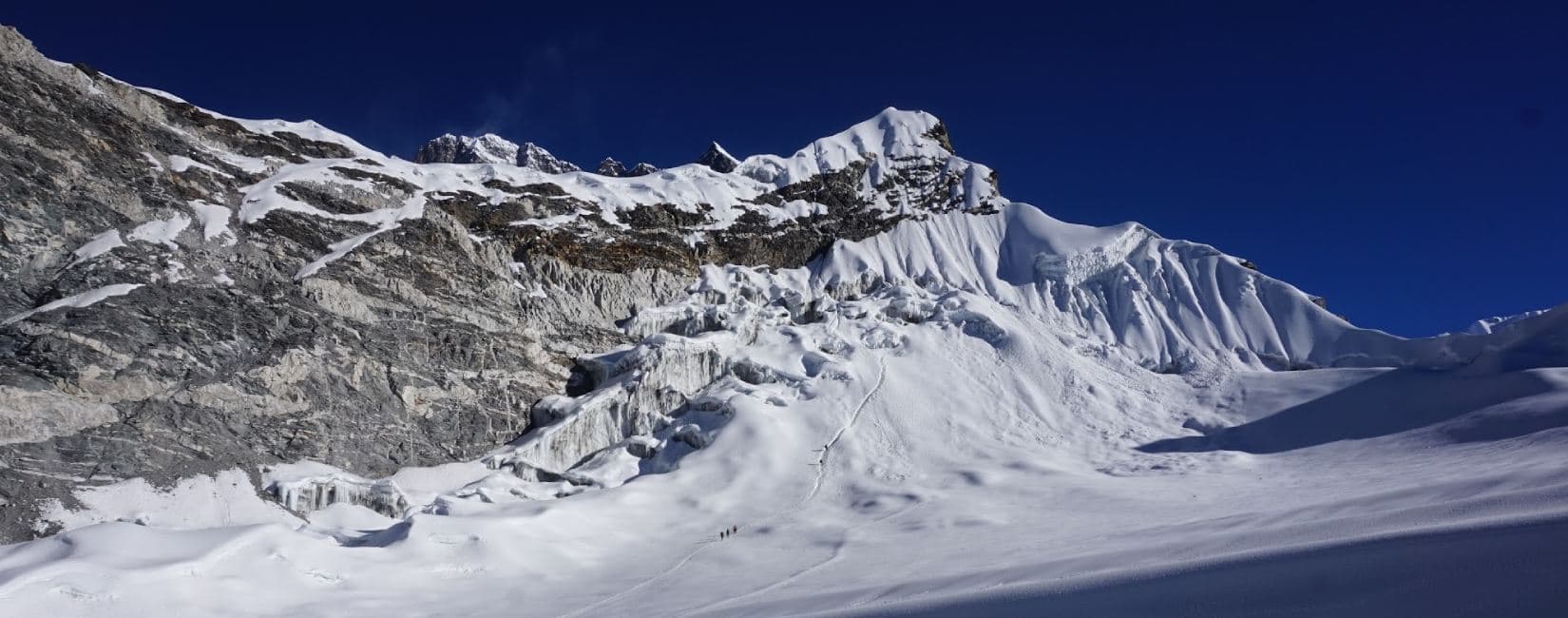
Peak climbing in Nepal is an excellent way to gain experience in mountaineering in the Himalayas. It’s almost like trekking, and the country offers a wide range of peaks that are best for those who dream of becoming professional mountaineers one day or climbing the Everest summit for a record. Despite the altitude challenges, these peaks are achievable if prepared and guided wisely.
Trekking peaks are under 7,000 m (22,965.88 ft) in height, and you don’t require advanced mountaineering training to climb them like Mount Everest. With just basic skills, you can experience both trekking and climbing in one journey. Nepal Mountaineering Association (NMA) manage most of them.
All mountains in Nepal aren’t only for experienced climbers. Mountains such as Island and Mera Peaks are ideal for first-timers. During the journey to the summit of these peaks, you’ll hike through some traditional Sherpa villages, glaciers, and enjoy the Himalayan vistas.
In this blog, you’ll discover the best trekking peaks, costs, permits, difficulty levels, and the best time to climb. If you’re aiming to set foot in the mountaineering sector and want to commence with some easy ones, we’ll help you find the one that’s suitable for you and help you prepare with confidence.
What Is Peak Climbing In Nepal
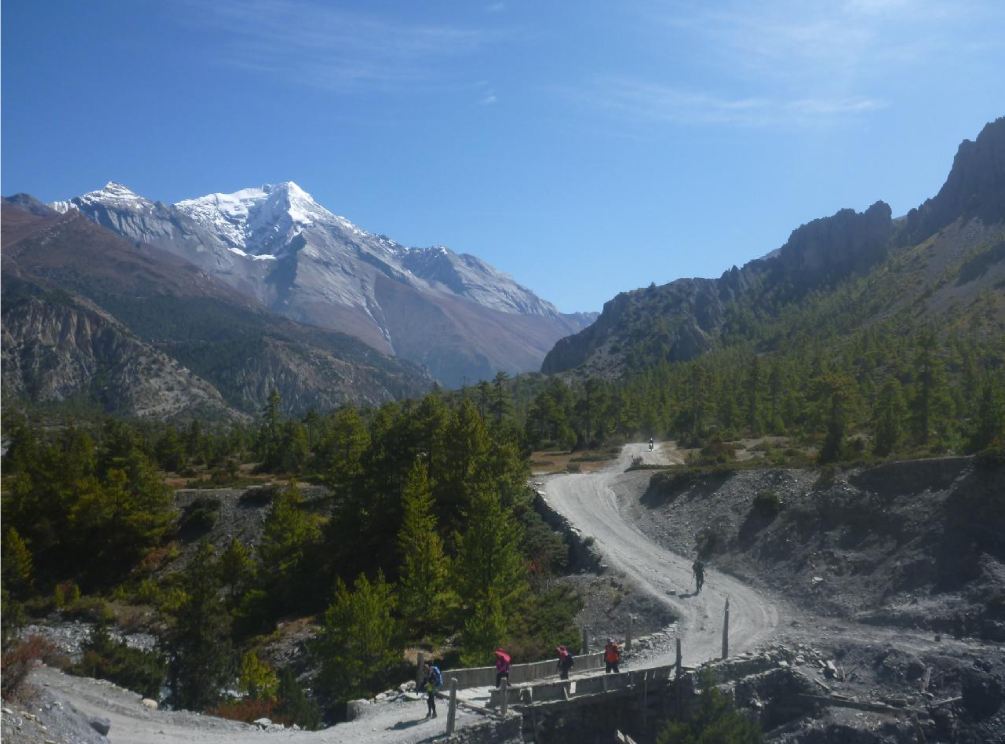
Peak climbing in Nepal is a form of mountaineering, where you can climb to the summit without committing to a full expedition. You can push your limits safely, as trekking peaks are typically lower in elevation and less challenging compared to expeditions, such as Mt. Everest (8,848 m/29,031.69 ft), Annapurna I (8,091 m/26,545 ft), and Manaslu (8,163 m/26,781 ft).
NMA regulates these climbs. They ensure that you follow proper safety tips and guidelines and head to your destination legally.
Trekking peaks in the country are mostly suitable for first-time climbers, allowing them to experience mountaineering even without advanced climbing skills. Island Peak and Mera Peak offer beginners the opportunity to experience glaciers, alpine villages, and stunning panoramas of the Himalaya.
Besides these two, there are also some other easy peaks in Nepal that can be climbed without serious technical knowledge. Yet, you’ll still be rewarded with an alpine experience.
Peak climbing is the whole journey, where you’ll pass through forests, local settlements, and capture the most amazing Himalayan views along the way before reaching the top. Knowing about it helps you choose the right mountain, prepare properly, and make your high-altitude adventure safe, enjoyable, and memorable.
Trekking Peaks Vs Expedition Peaks
It’s important to understand the differences between peaks to choose the right one for a mountaineering experience. All of them are different. Some are easier and ideal for first-time climbers, while others are technically demanding and require professional climbing skills.
Technical Difficulty
Trekking peaks are normally easier. You’ll hike on snowy and icy paths by using basic climbing equipment, such as crampons, an ice axe, and ropes.
While expedition peaks are much steeper. You’re required to have advanced mountaineering training, including rock climbing, ice climbing, and knot tying. For this reason, we highly recommend that you try trekking peaks first before expedition peaks if you’re a beginner.
Altitude Differences
Speaking of altitude, trekking peaks are generally lower, ranging between 5,500 m (18,044 ft) and 7,000 m (22,965 ft). They’re relatively safer than expedition peaks, which are taller.
The higher the elevation, the harsher and more extreme the conditions. However, which category of peaks you prefer for climbing, following the acclimatisation day and smart plan, is always necessary.
Required Experience
Trekking peaks don’t require prior mountaineering experience. That’s why it’s beginner-friendly and can be done by following the professional guide’s commands.
For expedition peaks, on the other hand, prior experience is mandatory. Under the new rule introduced by the Nepal government in early 2025, you must first complete trekking peaks, then climb peaks above 7,000 m, before attempting 8,000 m (26,246.72 ft) mountains.
All the required experience for expedition peaks must be gained by climbing mountains in Nepal’s Himalayas. For a safe and joyful adventure, choose a peak that suits your experience level.
Popular Trekking Peaks In Nepal
Nepal has several magnificent trekking peaks ideal for beginners to try, offering both adventure and jaw-dropping panoramas of the Himalaya. You may attempt climbing either of these peaks and experience real mountaineering with fewer challenges than those of expedition peaks.
Here are some of the most famous trekking peaks in the country:
Island Peak
- Altitude: 6,189 m (20,305.12ft)
- District: Solukhumbu
- Difficulty: Moderate
- Region: Everest
- Mountain Range: Mahalangur
- Permit: NMA Trekking Peak Permit, Sagarmatha National Park Entry Permit, and Trekkers’ Information Management System (TIMS) Card
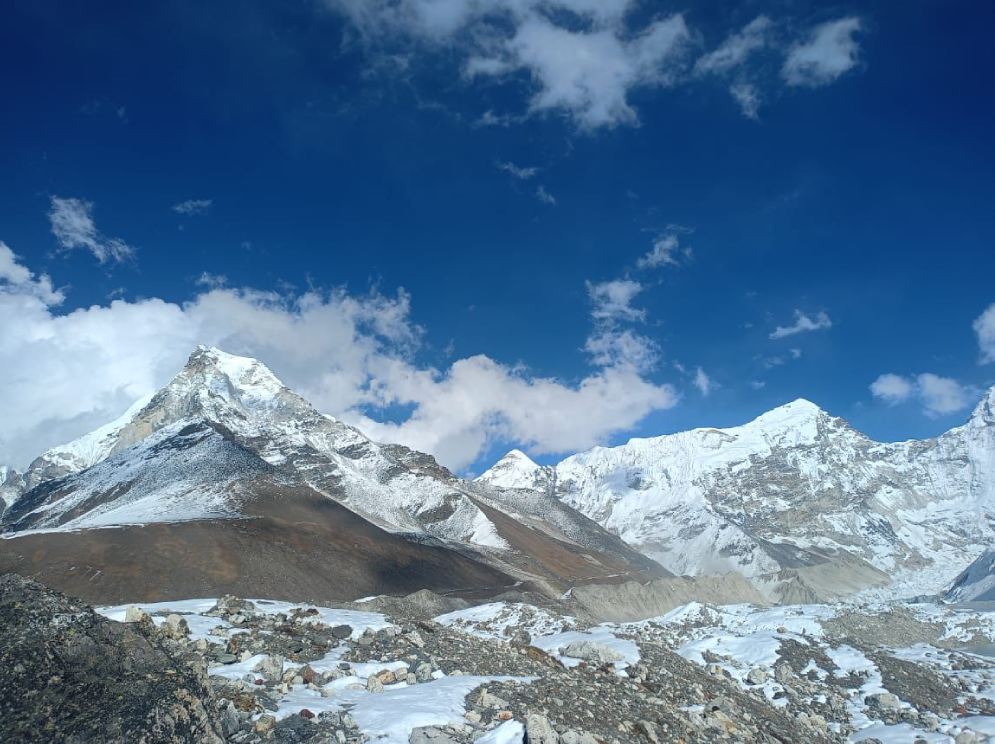
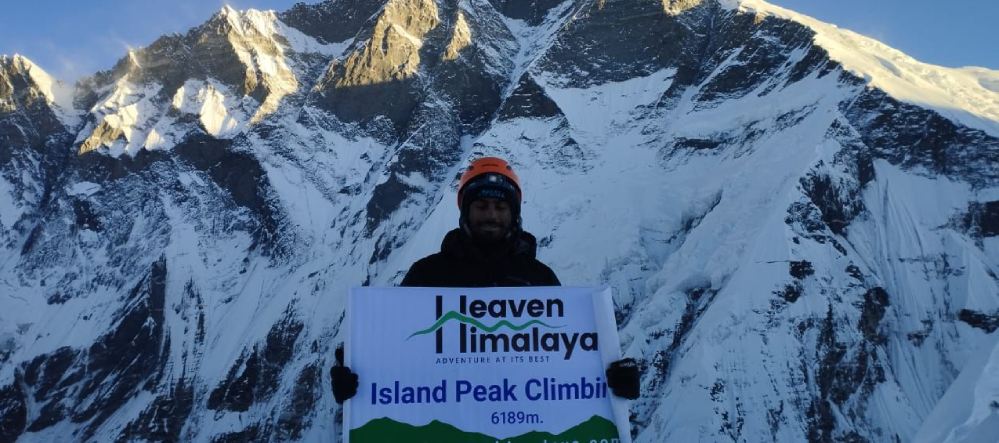
Island Peak is located in the Solukhumbu District of Koshi Province, in the Everest Region of eastern Nepal. Standing at an elevation of 6,189 m (20,305.12 ft), it offers stunning panoramas of Lhotse (8,516 m/27,940 ft) and Ama Dablam (6,812 m/22,349 ft) from its top.
The peak was named Island by the members of the British expedition team in 1953 because they found it like an island in a sea of ice when seen from Dingboche. However, it’s locally known as Imja Tse.
With just basic mountaineering skills, you can make it up to its summit, as the climb is moderate in difficulty. It’s an excellent choice for your first climbing experience in the Himalaya.
To experience its climb legally, you’re required to have three permits. They are as follows:
- NMA Trekking Peak Permit
- Sagarmatha National Park Entry Permit
- TIMS Card
Mera Peak
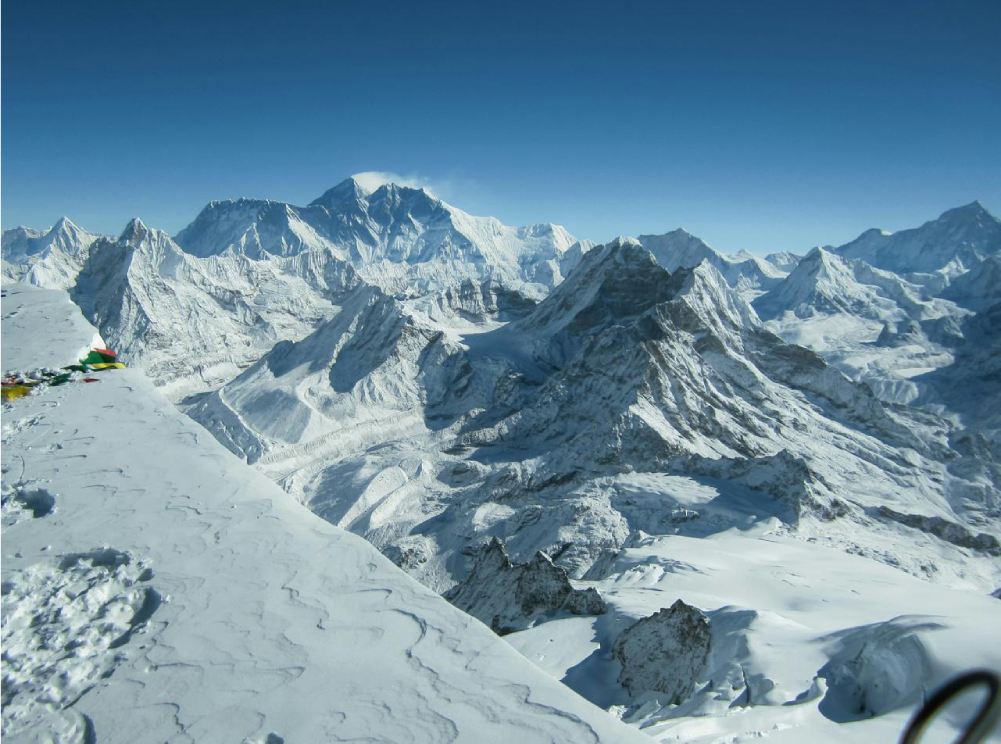
- Altitude: 6,476 m (21,247 ft)
- District: Solukhumbu
- Difficulty: Moderate to Challenging
- Region: Everest
- Mountain Range: Mahalangur
- Permit: NMA Trekking Peak Permit, Sagarmatha National Park Entry Permit, and Trekkers’ Information Management System (TIMS) Card
Mera Peak is also situated in the same district and region as Island Peak, rising to 6,476 m (21,247 ft). Therefore, you need to have the same permits here as well. It’s the highest trekking peak in Nepal.
The journey to its summit isn’t that hard, but the elevation makes it physically demanding. That’s why it’s moderate to challenging in difficulty.
You can experience the majestic views of five of the world’s 8,000 m peaks, including Everest. It’s best for first-time climbers with good fitness.
Lobuche East
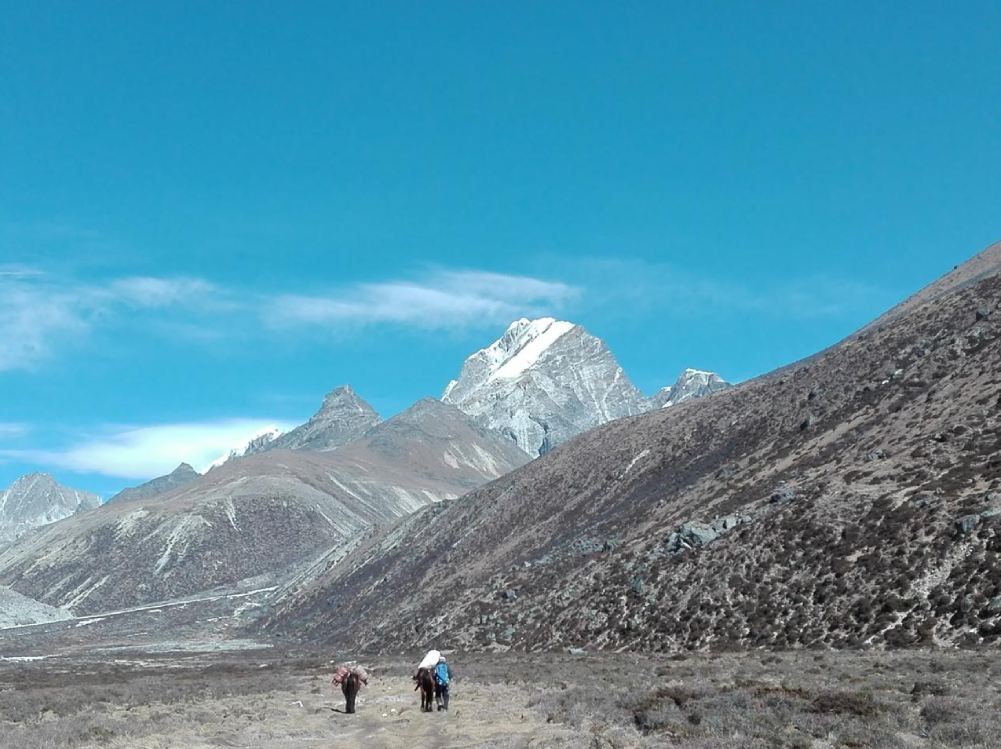
- Altitude: 6,119 m (20,075 ft)
- District: Solukhumbu
- Difficulty: Moderate to Challenging
- Region: Everest
- Mountain Range: Mahalangur
- Permit: NMA Trekking Peak Permit, Sagarmatha National Park Entry Permit, and Trekkers’ Information Management System (TIMS) Card
Lobuche East is another trekking peak in the Everest Region, Solukhumbu, sitting at an altitude of 6,119 m (20,075 ft). It’s a bit challenging compared to Island Peak.
You need to have prior climbing experience and should be familiar with fixed ropes. If you want to test your threshold a little further, then this peak is a good option for you. Since it’s also situated in the same region as Island and Mera Peaks, you’re required to obtain the same legal documents.
Chulu East
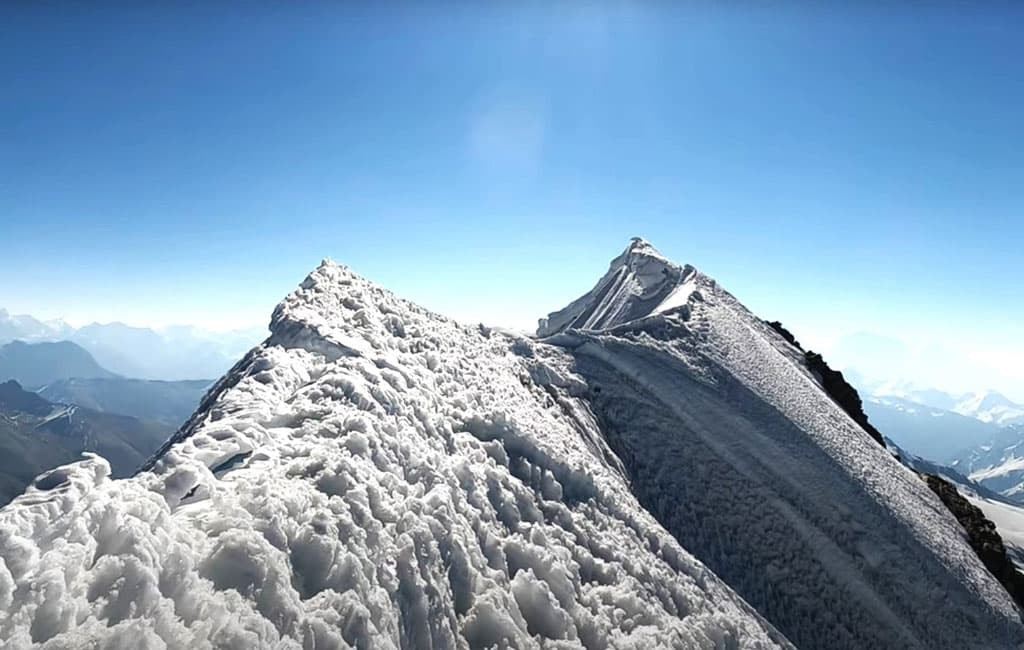
- Altitude: 6,584 m (21,601.05 ft)
- District: Manang
- Difficulty: Moderate
- Region: Annapurna
- Mountain Range: Damodar
- Permit: NMA Trekking Peak Permit, Annapurna Conservation Area Permit (ACAP), and Trekkers’ Information Management System (TIMS) Card
Chulu East is situated in the Manang District, Gandaki Province, Annapurna Region, western Nepal. It’s considered one of the least crowded among the other trekking peaks, offering a remote mountaineering experience.
The difficulty level of climbing this peak is moderate. You can reach its summit with proper acclimatisation and basic technical skills, and should have NMA Trekking Peak Permit, ACAP, and TIMS Card.
Pisang Peak
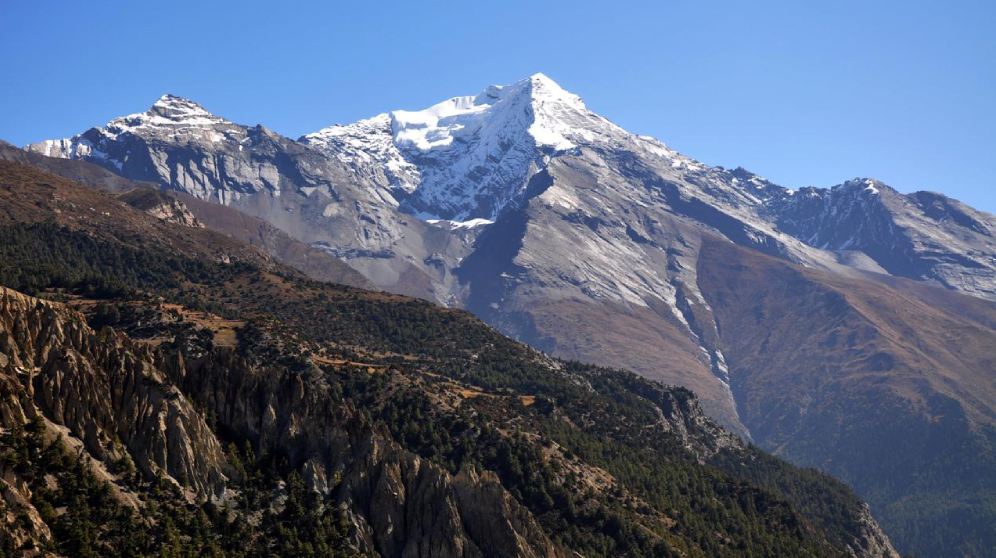
- Altitude: 6,091 m (19,983.6 ft)
- District: Manang
- Difficulty: Moderate
- Region: Annapurna
- Mountain Range: Annapurna/Damodar
- Permit: NMA Trekking Peak Permit, Annapurna Conservation Area Permit (ACAP), and Trekkers’ Information Management System (TIMS) Card
Pisang Peak is located in the same district and region and is similar in difficulty to Chulu East, offering incredible scenery of Annapurna II (7,937 m/26,040 ft), Machhapuchhre (6,993 m/22,943 ft), and other neighbouring mountains from its top. It’s suitable for you if you have some prior experience. In terms of the permit, they’re also the same as required for Chulu East.
Yala Peak
- Altitude: 5,520 m (18,110 ft)
- District: Rasuwa
- Difficulty: Easy
- Region: Langtang
- Mountain Range: Langtang
- Permit: Langtang National Park Entry Permit, and Trekkers’ Information Management System (TIMS) Card
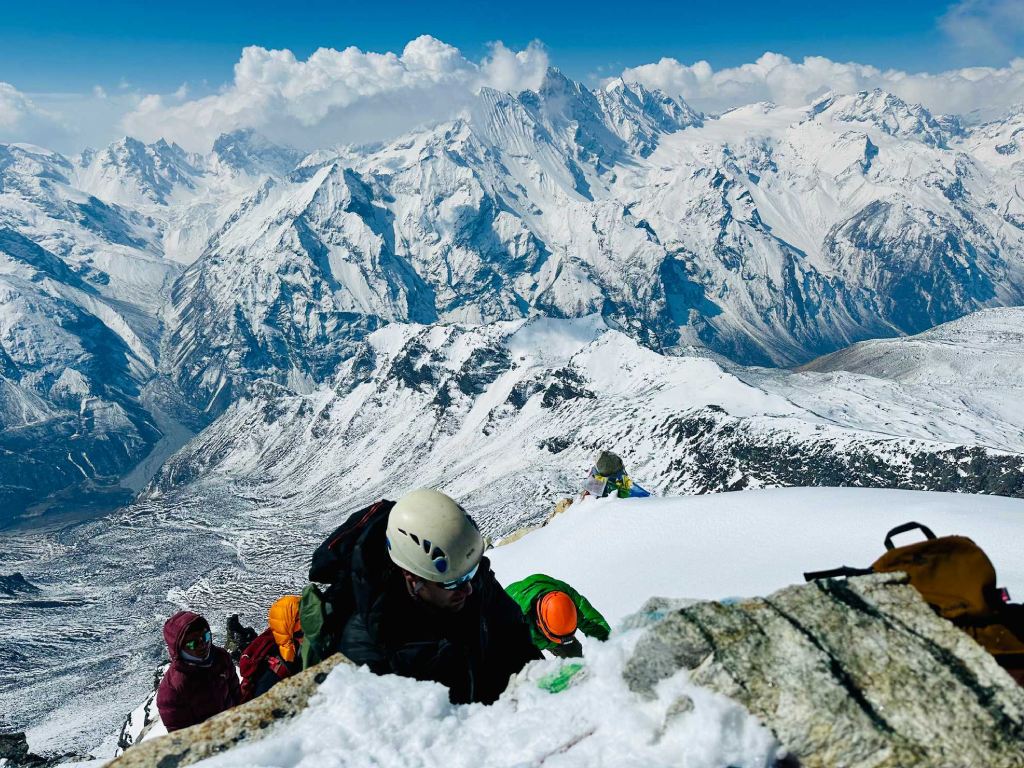
Yala Peak is considered the easiest trekking peak among all others in Nepal. It’s also one of the nearest mountains to Kathmandu, located in the Rasuwa District of Bagmati Province in the central part of the country.
The altitude of this peak is 5,520 m (18,110 ft), and the ascent is easy and non-technical, making it the best option for first-timers. To climb it, you don’t need to have an NMA Trekking Peak permit, as it’s below 5,800 m (19,028.87 ft). With only two permits: Langtang National Park Entry Permit and TIMS card, you’ll have access to experience its climb.
Dhampus Peak
- Altitude: 6,012 m (19,724 ft)
- District: Myagdi
- Difficulty: Moderate
- Region: Dhaulagiri
- Mountain Range: Dhaulagiri
- Permit: NMA Trekking Peak Permit, Dhaulagiri or Local Conservation Permit, and Trekkers’ Information Management System (TIMS) Card
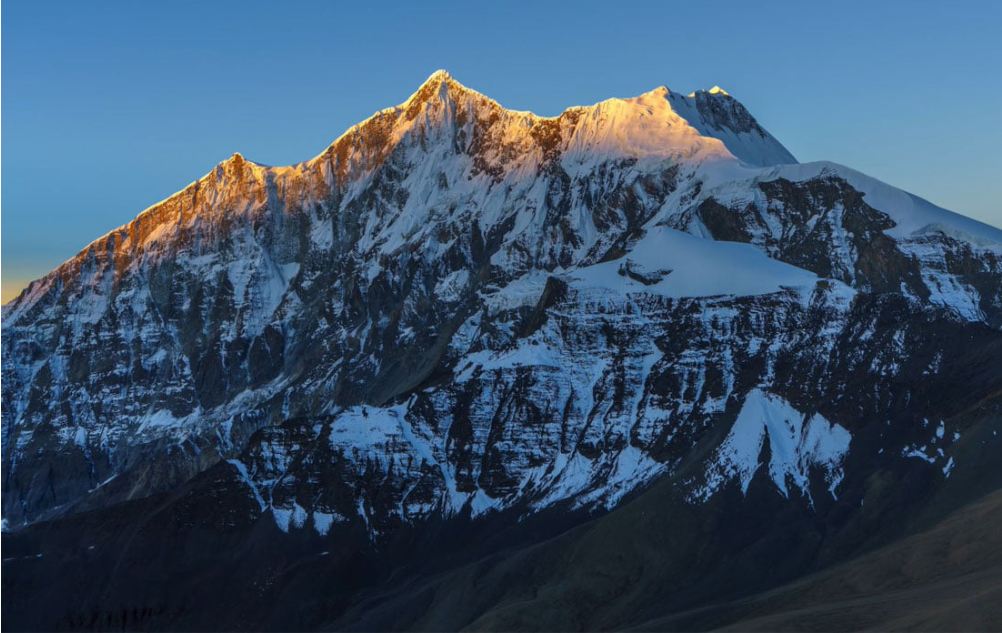
Dhampus Peak is also called Thapa Peak. It’s located in the Myagdi District of Gandaki Province, in the Dhaulagiri Region of western Nepal. Regarding the difficulty level, it’s moderate.
You’ll be able to witness the beautiful vistas of the Annapurna and Dhaulagiri Ranges once you finally reach the summit. It’s less crowded compared to the trekking peaks in the Khumbu Region. The permits you need to apply for climbing it are:
- NMA Trekking Peak Permit
- Dhaulagiri or Local Conservation Permit
- Trekkers’ Information Management System (TIMS) Card
Tent Peak
- Altitude: 5,663 m (18,579.4 ft)
- District: Kaski
- Difficulty: Easy
- Region: Annapurna
- Mountain Range: Annapurna
- Permit: Annapurna Conservation Area Permit (ACAP) and Trekkers’ Information Management System (TIMS) Card
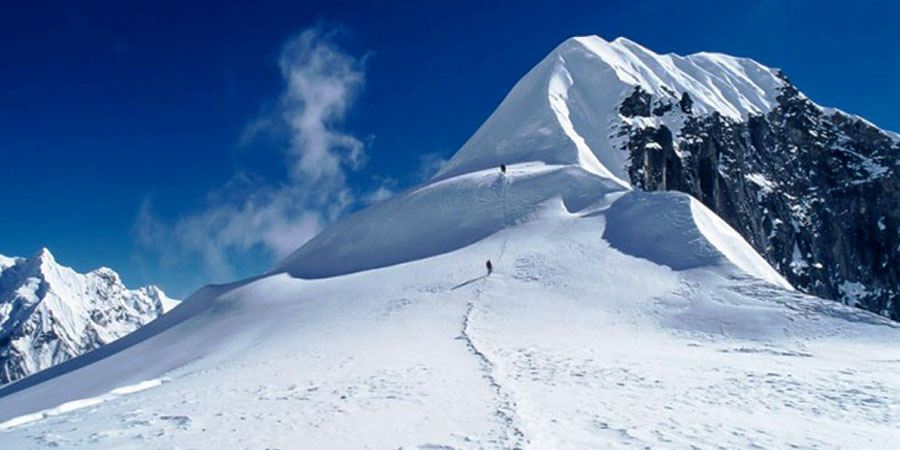
Tent Peak also has another name to recognise, Tharpu Chuli, which lies in the Annapurna Range. It’s situated at 5,663 m (18,579.4 ft) in the Kaski District of Gandaki Province.
It’s beginner-friendly, meaning perfect for introducing yourself to peak climbing. All you need is a good fitness level.
The permit situation is also the same as Yala Peak. You aren’t required to obtain the NMA Trekking Peak Permit for the same reason. Only the ACAP and TIMS cards are enough for climbing.
Best Beginner Peaks In Nepal
There are several beginner-friendly trekking peaks available in Nepal. If you have a dream to reach the top of the world, Mount Everest, one day, you should begin with an easy step.
No mountain is actually easy to climb. However, the peaks we’re discussing here in this section are around 5,500 to 6,500 m (18,044.62 to 21,325.46 ft). In the context of Nepal, peaks below 7,000 m (21.325.45 ft) are generally considered easy or moderate.
Among the popular trekking peaks listed in the section above, Island, Mera, Yala and Tent are ideal for first-time climbing. These are the easy peaks in Nepal that you should go for as a beginner.
They’re achievable even without serious climbing skills and are best for building confidence for an Everest expedition or some other mountains above 8,000 m in the Himalayas. All you need is to be physically fit and mentally prepared.
Difficulty Level Of Peak Climbing In Nepal
The difficulty of climbing a peak in Nepal varies depending on the mountain you prefer to attempt as a beginner. Also, your fitness and prior experience determine the difficulty level.
Not all trekking peaks are ideal for first-time climbers. Some are also technical and demanding.
In fact, peak climbing is more challenging than just strolling around nature on foot. Nevertheless, it’s way easier compared to climbing mountains, such as Everest, Annapurna I, and Kanchenjunga.
Climbing the trekking peaks may not seem extremely challenging in the case of the trail and ridge, but the elevation makes things different. After 2,500 m, the risk of altitude sickness is high, and the peaks mentioned in the earlier section are all above 5,500 m.
During the journey to either of these mountains’ summits, you’ll need to walk for several hours a day on steep and snowy terrain. The higher you get, the thinner the air.
In such circumstances, altitude sickness can occur to you at any time. So, proper acclimatisation is the key thing to preventing its risk.
Technical difficulty is another aspect. Several peaks require basic mountaineering skills, such as using crampons, ropes, and an ice axe. However, proper training and support from experienced guides can help you learn these skills easily. Overall, climbing trekking peaks in Nepal is possible with proper fitness, dedication, and by choosing the right one based on your level.
Peak Climbing Cost
The cost of climbing a peak in Nepal depends on the mountain, the season, and whether you hire a guide or porter. It can cost you between USD 1,500 and 3,000, covering permits, food, accommodation, and guide and porter fees.
Yala and Tent peaks are less expensive. Island and Mera Peaks, on the other hand, are costly due to their popularity.
The important part of the cost is permit fees. It’s compulsory to obtain a permit from the NMA, and also a national park entry and conservation area permit, depending on the region. We strongly recommend that you hire a guide and porter if you’re a beginner, for your safety and navigation.
Best Time For Climbing Trekking Peaks
Spring (March to May) and autumn (September to November) are the best times for climbing peaks in Nepal. These seasons offer stable weather, clear blue skies, and moderate temperatures. You can climb safely and enjoy your journey with stunning Himalayan vistas in such conditions.
In spring, wildflowers bloom, making the trail colourful and vibrant alpine scenery. While in autumn, dust and haze are washed away by the monsoon rain, leaving the air crisp and visibility exceptional. In general, both times of year are suitable for first-time and experienced climbers.
Winter (December to February) and monsoon (June to August) aren’t recommended for mountaineering purposes. Winter brings heavy snowfall, causing temperatures to drop. Monsoon, on the other hand, brings heavy rainfall, natural disasters (landslides and floods), and unstable weather, making climbing risky and dangerous.
How To Prepare For Peak Climbing
With good preparation, you can be successful in your mission at high elevation. Thus, here are some basic but important steps for climbing trekking peaks in Nepal for beginners.
- Start doing cardio workouts daily, at least for an hour, like hiking (carry weight), squatting, running, cycling, swimming, and stair climbing, to build your stamina.
- Learn to use crampons, ropes, an ice axe, and tying knot.
- Allow your body to adjust to reduced oxygen levels by ascending gradually to prevent altitude sickness.
- Plan your climbing for spring or autumn.
- Pack essential gear for mountaineering , such as a warm layer of clothes, quality boots, gloves, and sunglasses.
- Get travel and climbing insurance that covers high-altitude rescue and medical fees.
- Hire a licensed mountain guide to enhance your safety and increase your chance of success.
Why Choose Nepal For Peak Climbing
Nepal is one of the ideal destinations in the world for adventure, especially mountaineering and trekking, as most of the Himalayas lie here. It offers both beginner-friendly trekking and challenging peaks.
The country’s uncommon geography lets you enjoy glaciers, high-altitude settlements, and beautiful mountain views all in a single journey. Your peak climbing in Nepal can be memorable.
Strong mountaineering culture and the Sherpa people are also the reasons that you should choose Nepal for peak climbing. Climbing peaks is well-organised, with legal permit systems and established trails in regions like Everest, Annapurna, and Langtang.
During the journey, you can also learn about the local lifestyle and experience warm hospitality. The country itself offers an opportunity to get the blend of both adventure and culture, along with a complete and rewarding peak climbing experience that you can get in very few places in the world.