The difficulty of the Poon Hill Trek is one of the most common concerns among people planning a short journey in Nepal to explore the Himalaya. It’s considered easy to moderate, suitable for beginners, families, and those who prefer comfort in adventure.
This is because there are no technically demanding sections or extreme heights, and the trail is also well-equipped with proper infrastructure. However, it does include daily uphill walks, stone staircases, and 4 to 6 hours of walking per day.
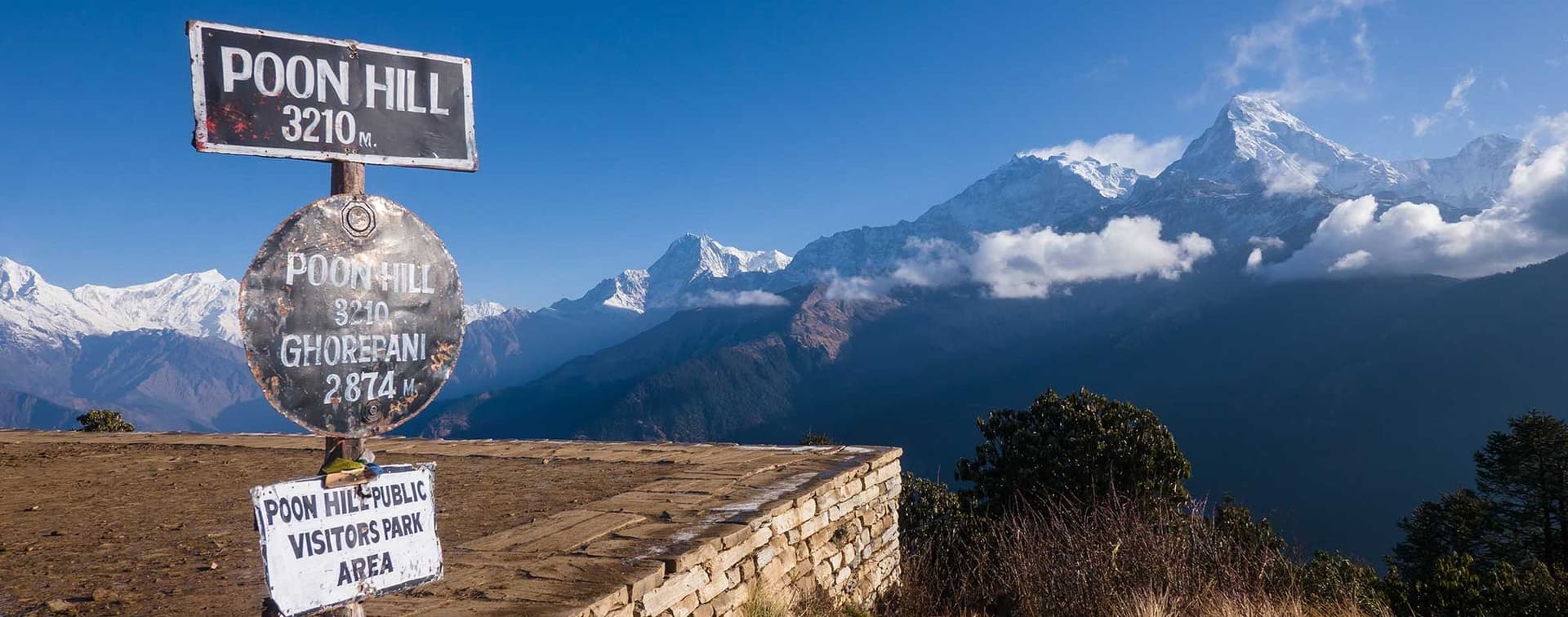
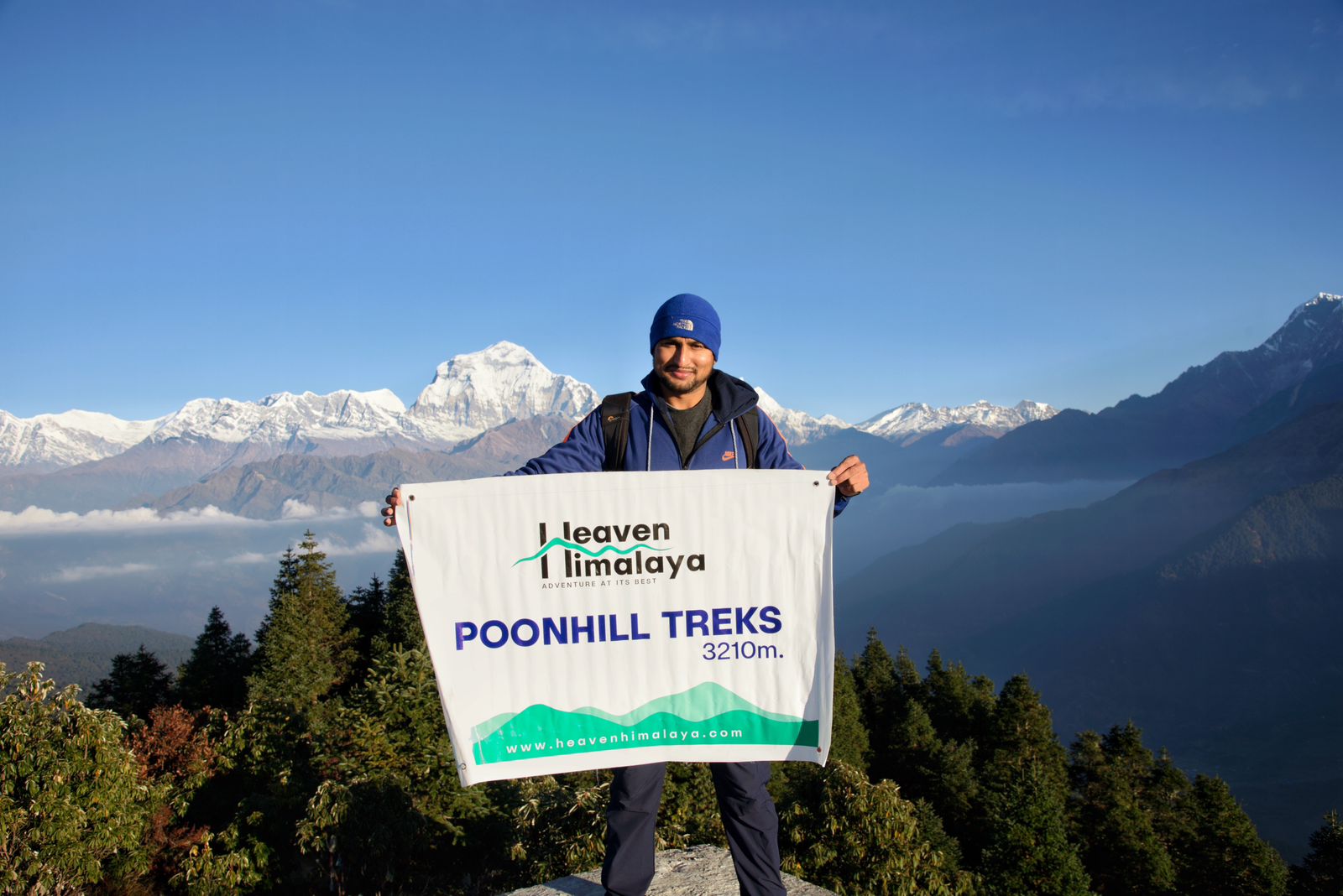
Poon Hill is the highest and main point of this trek, sitting at 3,210 m (10,531.5 ft) above sea level, which is lower than the other famous high-altitude treks in the country. So, the risk of altitude-related issues is somewhat low here. But sections like the stone steps in Ulleri (2,050 m/6,725 ft) can be slightly challenging, especially for first-time hikers.
Overall, the journey is rewarding. Travelers can experience the breathtaking mountain scenery without investing maximum physical effort.
Is Poon Hill Trek Difficult
The Poon Hill Trek is considered easy in terms of difficulty, making it an ideal choice for first-time hikers or those with limited trekking experience. You don't need to have any advanced training or prior high-elevation trekking experience.
If you're a beginner or planning to go on an adventure with a family consisting of kids or the elderly, you may consider this trek without thinking twice. Unlike other treks in Nepal, such as the Annapurna Circuit Trek, Manaslu Circuit Trek, and Everest Base Camp Trek, you can experience nature's beauty and rural country life as a reward with minimal effort.
How Long Does Poon Hill Trek Take
In terms of the duration of the Poon Hill Trek, it's one of the shortest treks in Nepal. You can finish it in four days by starting from Nayapul (1,070 m/3,510 ft), a typical trailhead of the trip.
Both hiking trails and roadways for vehicles are available in the area. Hence, some experienced trekkers with a tight schedule begin the journey even further from Nayapul, which is Ulleri (2,050 m/6,725 ft), in order to complete it in less time.
You can even use local vehicle transfers straight to Ghorepani (2,850 m/9,350 ft). However, since we're discussing a nature hike here, reaching Ghorepani directly may not be very enjoyable. Therefore, reaching Ulleri first by jeep and taking the hiking route to begin the adventure can help you conclude Poonhil Trek in just two to three days.
If you're trying multiple days of walking in nature for the first time in your life for a high-altitude experience, we strongly suggest you begin this trek from Nayapul. The lower your starting point, the safer your journey tends to be.
Daily Walking Hours And Trail Conditions
During the Poon Hill Trek, you don't need to hike much, just four to six hours daily. The early morning walk to the hill for breathtaking sunrise views of the Annapurna and Dhaulagiri Ranges is shorter but steep, and often takes approximately 45 minutes to an hour.
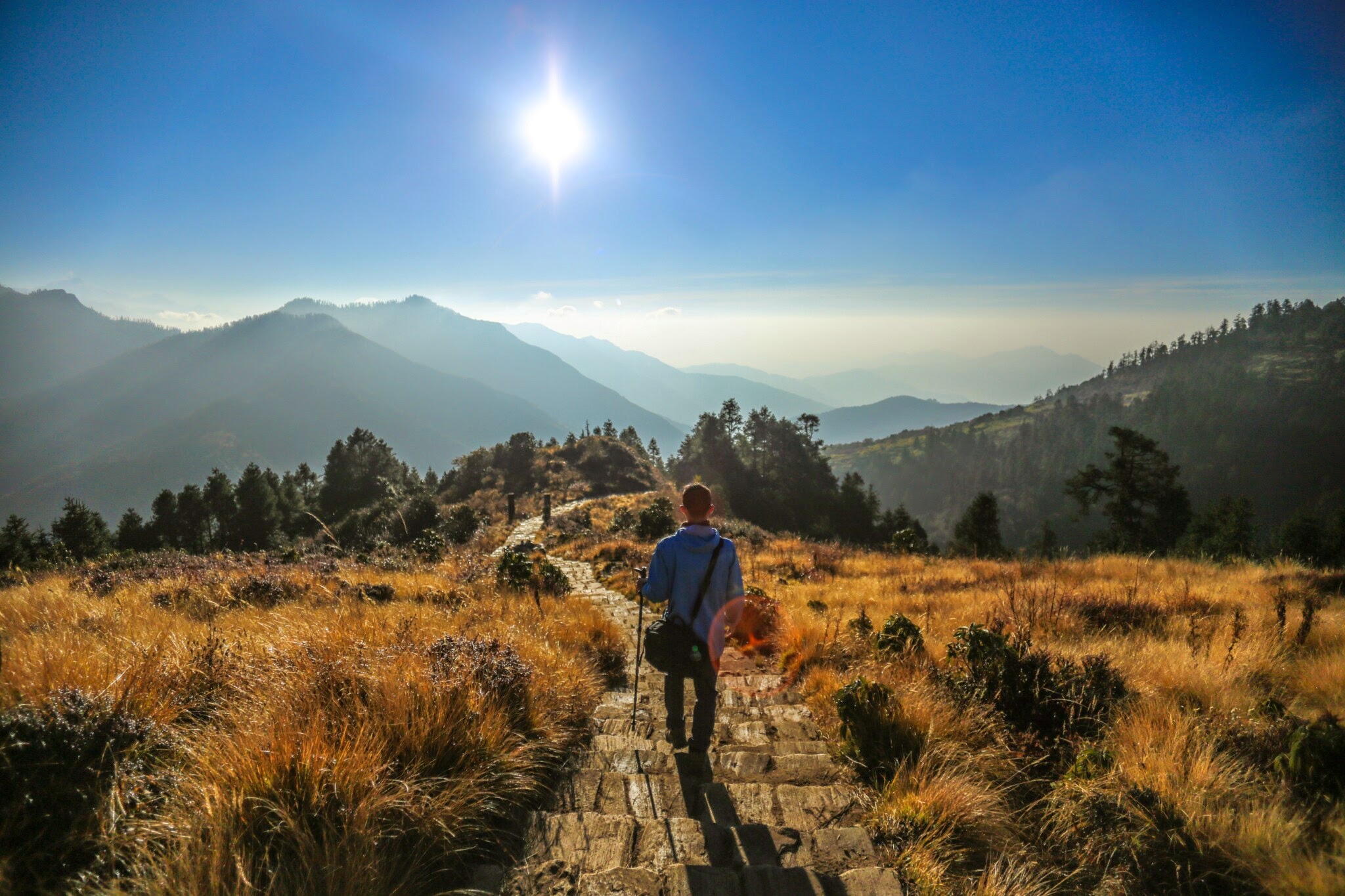
The route isn't technically demanding at all and mostly follows through stone-paved paths, dense rhododendron forests, and village walkways. You can hike comfortably with very little physical effort, as the trail is well-maintained and clearly marked.
This trek offers a pleasant walking experience. Apart from witnessing the snow-capped giants, you'll also enjoy the terraced farmland and traditional Magar and Gurung villages while hiking. Some sections have long staircases, especially near Ghorepani, but the route stays safe and manageable.
During the spring and autumn seasons, the routes are busy and crowded. People mostly visit Poon Hill in these times of year, as the weather remains stable and clear, offering spectacular mountain views.
In winter, the weather is extremely cold at night and early in the morning. Snowfall is certain, resulting in a slippery path.
During the monsoon, the weather is often cloudy and unclear, making the trail slippery and muddy, and the mountain views are uncertain. Leech bites can also be a disturbance while hiking in grassy areas.

Altitude And Acclimatization Concerns
Poon Hill Trek is an easy and beginner-friendly trek in Nepal; nonetheless, the elevation still makes a difference that you should be aware of. The highest point, Poon Hill, is above 3,000 m (9,842.52 ft).
However, it's just a viewpoint. You don't stay overnight here, as there are no accommodation facilities available. The place for spending the night is Ghorepani, lying just below that.
Compared to other Himalayan journeys in the country, this elevation is relatively low. As a result, the risk of altitude sickness is also low for most trekkers. Yet, common symptoms such as mild headache, shortness of breath, and tiredness may still occur, especially for beginners.
The short duration is also a reason that issues related to altitude are rare on this trek. The itinerary allows you to gain elevation slowly over a few days rather than rushing upward.
This natural pace gives your body time to adjust to a lower oxygen level, reducing the need to spend an extra day in the same place for acclimatization. Staying hydrated, eating a high-carbohydrate diet, and avoiding alcohol and smoking during the trip also help you adapt to the environment comfortably.
Physical Fitness Required For The Poon Hill Trek
Staying fit by doing daily exercise and eating well isn't only for trekking in high-altitude locations. It's actually our daily life routine. Even if we're not into adventure, we still need to stay fit and fine.
However, from the point of trekking, it'll be much better if you have a habit of working out for at least an hour every day. You'll have an enhanced immune system and strong stamina that can help you adjust to a high-elevation environment.
Since the Poon Hill Trek is among the easiest treks in Nepal, you can still enjoy it even if you don't have a proper physical fitness level. Anyway, for better results and to avoid any risks, start exercising daily for at least an hour a month before your travel date. You can try doing these workouts, such as the following:
- Stretching
- Squatting
- Running
- Swimming
- Cycling
Best Time To Do The Poon Hill Trek For Easier Conditions
It's essential to understand when to go on the Poon Hill Trek for a rewarding experience. Not all times of year are suitable for adventure. There are four seasons in a year, and each has different features.
Best Seasons For Comfortable Trekking
Two seasons are considered the best times to trek to Poon Hill. They are spring (June, July, and August) and autumn (September, October, and November).
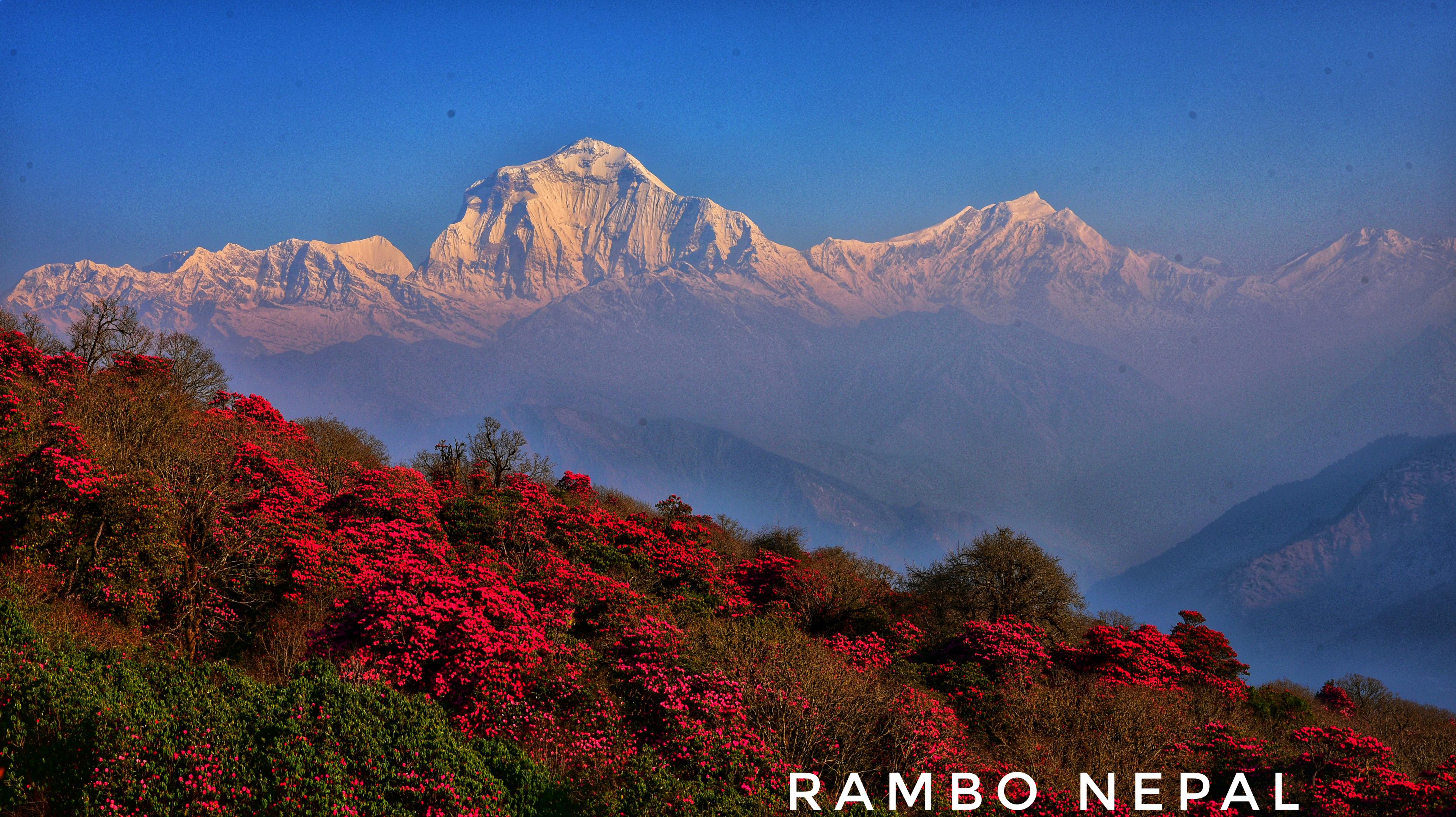
In the spring, winter snow begins to melt, bringing long, warm, and pleasant days. Skies are generally clear with great mountain views, especially in the morning. The trail to the hill is mostly lined with rhododendrons, which bloom and make the area colourful.
Autumn is the post-monsoon season, which is why dust and haze wash out of the air, resulting in crystal-clear mountain views. The trail is dry, and the surroundings are green and beautiful. Additionally, it offers festive vibes, as Nepal's major festivals, Dashain and Tihar, fall this time of year.
The other two seasons: winter (December, January, and February) and monsoon (June, July, and August), aren't recommended for trekking to Poon Hill because they're considered off-season. Heavy snowfall and frigid temperatures in winter and heavy rainfall and unstable weather in the monsoon make the trekking conditions harsh.
Weather Impact On Difficulty
The difficulty level of the Poon Hill Trek is typically easy, although it can vary depending on the weather conditions. The ideal seasons are spring and autumn. These two offer good weather conditions.
While winter and monsoon usually have bad weather conditions, especially the monsoon. If you plan for this trek during either of these times of year, even this easy journey can turn into tough.
Also, even during peak trekking seasons, the weather can turn bad at any time, as it's unpredictable in the Himalayan Region. Therefore, stay updated with the weather forecast while planning and monitor it daily during the trip.
Trail Conditions In Peak Vs Off-season
Speaking of trail conditions, it's mostly crowded, and hotels get packed during spring and autumn, as these seasons offer moderate temperatures, clear skies, and great visibility. Therefore, most people target these seasons to travel.
During the winter and monsoon, the route is quiet and peaceful. Due to unstable weather, people often don't target these seasons for trekking.
However, hotels along the way have enough rooms available. Therefore, if you want to experience a bit more adventure in the Himalaya, you can plan for the Poon Hill Trek during the off-season as well.
Monsoon is strongly not recommended. However, in late winter, you can visit Poon Hill to witness the true face of the Annapurna and Dhaulagiri Ranges, as they appear all white due to snowfall.
Final Verdict: Is The Poon Hill Trek Difficult
Overall, the Poon Hill Trek difficulty is described as easy to moderate. It's the best option for first-timers, families, and those with limited trekking experience.
The route consists of steep stone staircases and a few long uphill sections. However, since the duration is short, the trails are well-marked, and accommodation facilities are comfortable, the journey remains manageable.
It'll be much better if you've got a good fitness level, plan your adventure properly, and walk at a steady pace during the journey. This way, you can finish this Himalayan trip without facing any challenges.
The trek is way easier and shorter in duration compared to other treks in the country. Nevertheless, it still rewards travelers with breathtaking mountain vistas and a sunrise experience, making it worth the effort.
The difficulty of the Poon Hill Trek also depends on the seasons. The best time is during spring and autumn.
During these seasons, the weather is stable, and the skies are clear. Winter and monsoon mostly have harsh conditions and can make this easy journey challenging.