Renjo La Pass is perfect if you're looking for a quieter way to cross a high pass in the Everest (Khumbu) Region. Instead of crowded trails, it offers a more peaceful and scenic side of the Himalayas that many trekkers don't get to experience.
It's one of the three major passes in the Khumbu Region, but unlike the others, Renjo La is known for its less crowded trail and incredible views, making it a favourite for those who enjoy a more relaxed and visually scenic Everest trek. It connects the beautiful Gokyo side with the Thame and Namche area, creating a natural link between remote valleys and the main Everest trail.
If you're planning the full adventure, don't miss the complete Everest Three High Passes Trek guide, where you can see how Renjo La fits into the entire route. And here in this blog, today, you'll learn what you need to know before crossing it.
A Quick Look At Renjo La Pass
Renjo La Pass sits in the heart of the Khumbu Region and is one of the quieter crossings among the passes in the Everest Region. It's not as crowded as other routes, which already makes it stand out for trekkers looking for a more peaceful experience.
The altitude of Renjo La Pass is around 5,360 m (17,585 ft). So, you're still dealing with serious high-altitude conditions, even though the trail itself feels a bit more relaxed compared to other passes.
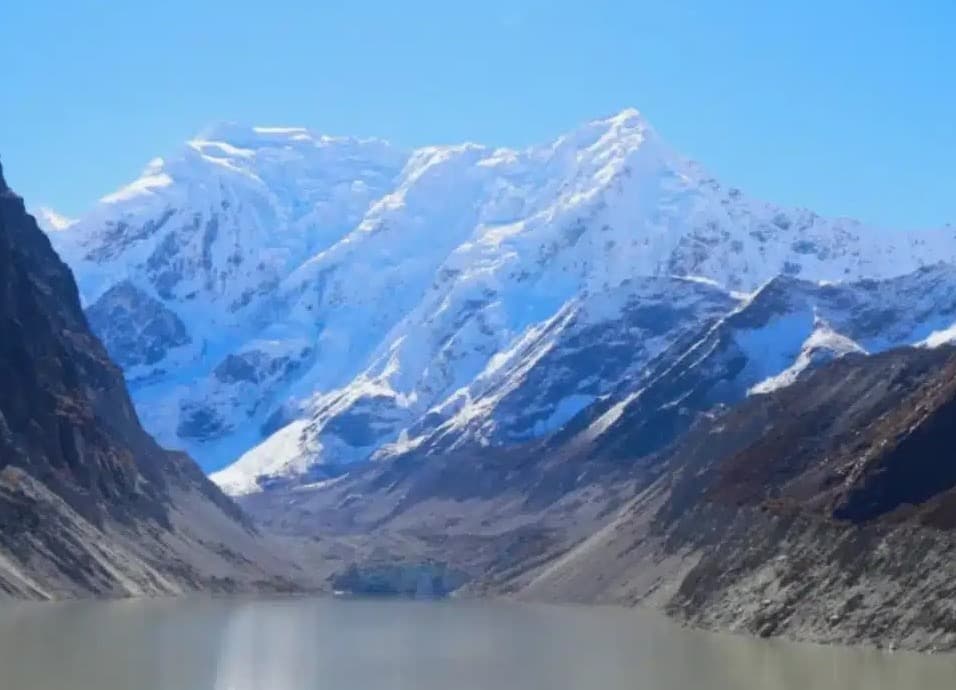
It connects the stunning Gokyo side to the Thame valley, and one of the highlights here is how close you are to the beautiful Gokyo Lakes before starting the climb. That combination of altitude, location, and scenery is what makes Renjo La such a unique part of the region.
Why Renjo La Is Considered The Most Scenic Pass
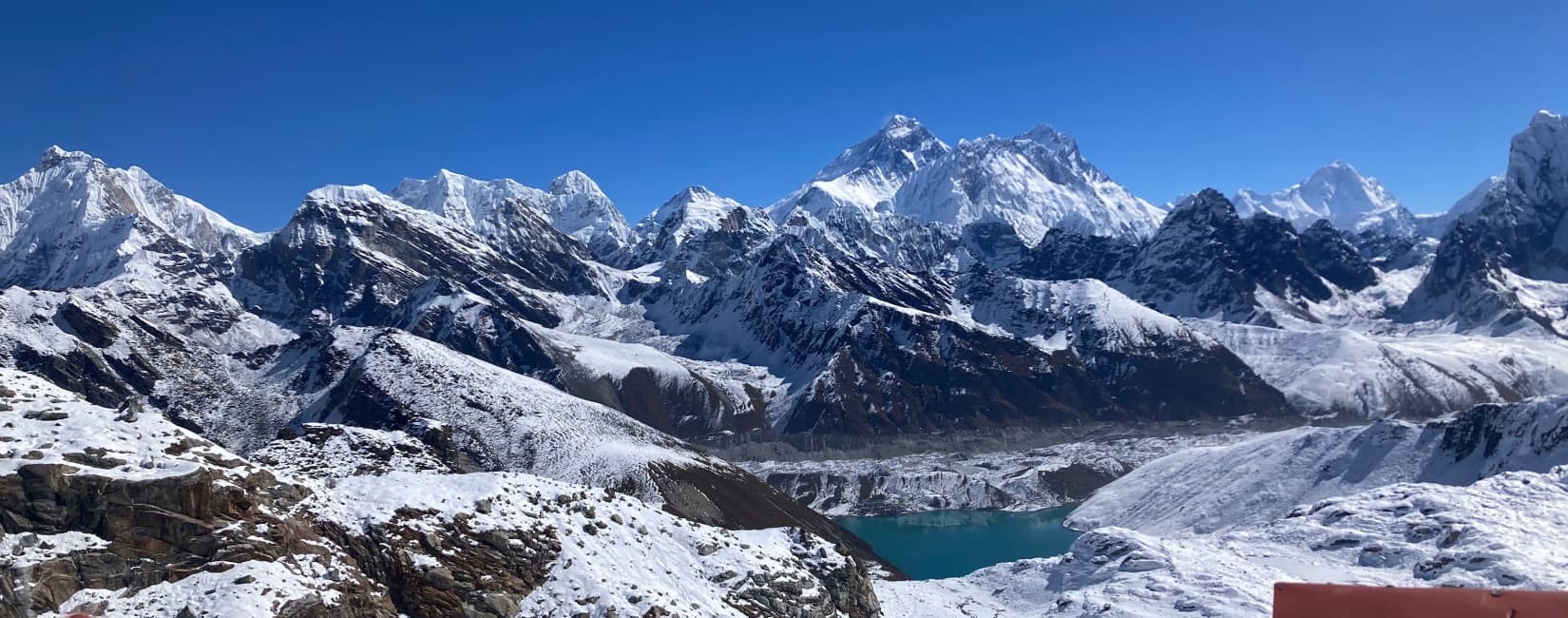
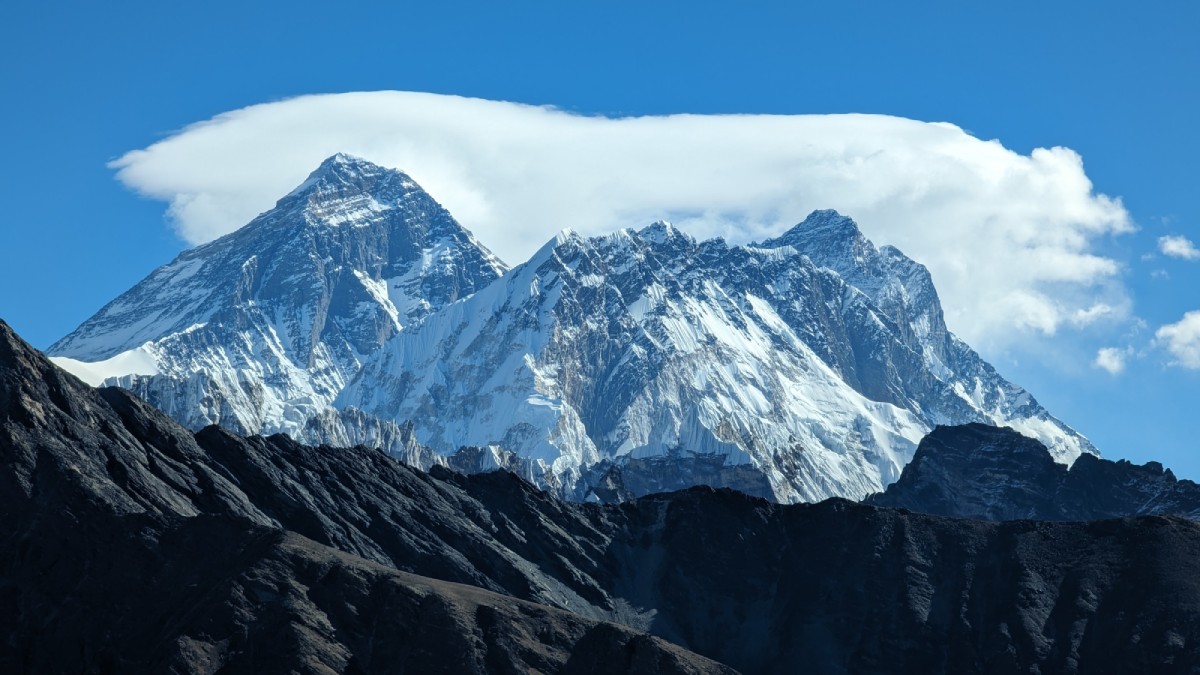
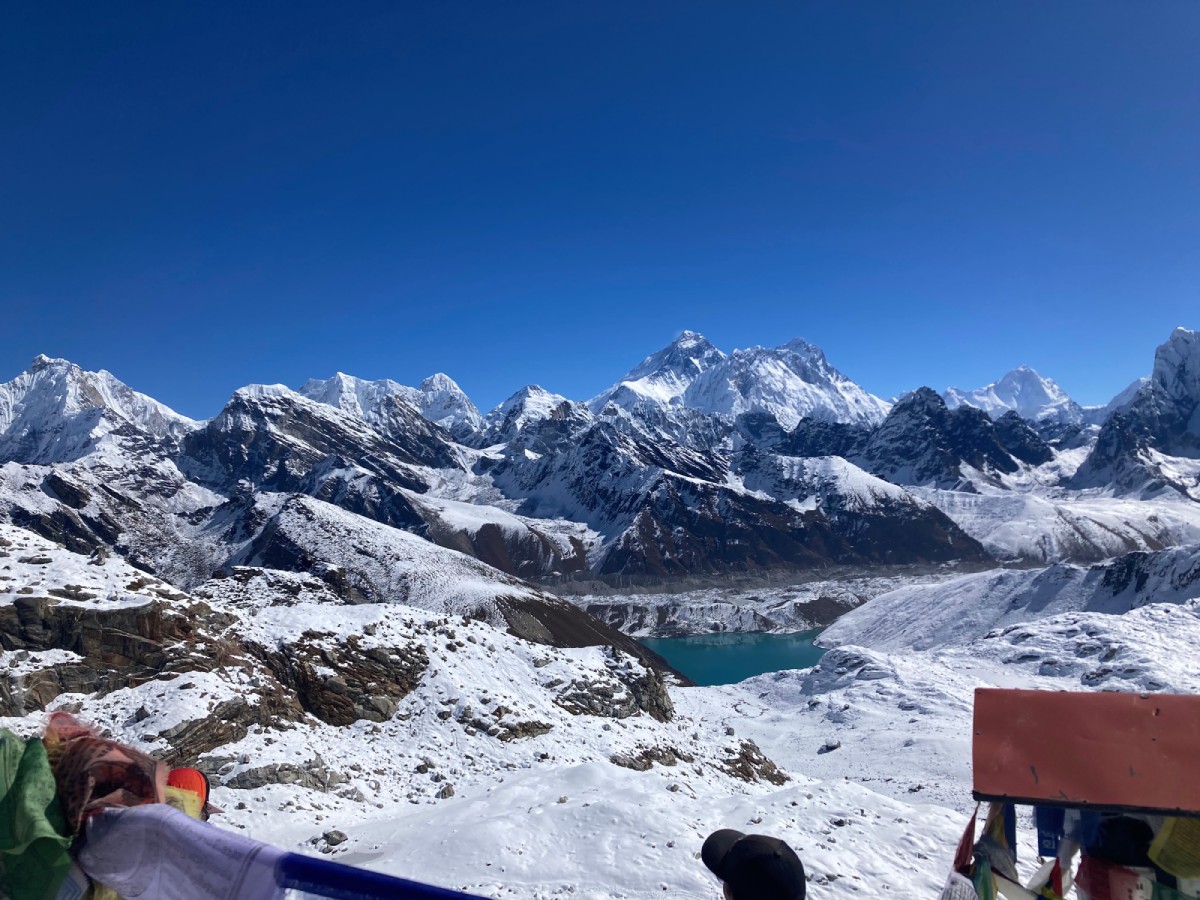
If there's one thing that really sets Renjo La apart, it's the views. The views from here are truly exceptional. You get wide, open panoramas of giants like Everest (8,848.86 m/29031.69 ft), Cho Oyu (8,188 m/26,864 ft), and even the stunning Gokyo Lakes (4,700 to 5,000 m/15,400 to 16,400 ft) laid out below you like a postcard.
What makes it feel different is how open and expansive everything looks. Instead of tight valleys or rocky walls, you're surrounded by big Himalayan landscapes that stretch as far as your eyes can go. It's the kind of place where you naturally slow down, not because you're tired, but because you just want to take it all in, something that defines a true Everest panoramic trek.
And then there's the best part, the silence. Compared to other passes, Renjo La is far less crowded, which means you can actually enjoy the moment without the rush. No traffic, no noise, just mountains, wind, and that unreal feeling of being right in the middle of the Himalayas.
Is Renjo La Hard or Manageable
The difficulty of Renjo La Pass feels lighter mainly because it sits at a slightly lower altitude than other passes and follows a clearer, more stable trail. Hence, this pass is generally more manageable, but that doesn't mean it's easy.
Another big plus is that there's no glacier crossing, which removes one of the trickiest parts you'd normally face on other passes. The path is more straightforward, making it less technical and easier to follow.
That said, it's still a long, high-altitude day, and the thin air can slow you down more than you expect. So while it may not be the toughest in terms of difficulty, it still requires good stamina and proper acclimatisation.
That's why many trekkers prefer an organised Everest Three High Passes Trek package to make the journey smoother and stress-free. However, the good news is that if you're reasonably fit and take your time, Renjo La is very doable, and often feels like a rewarding, scenic break compared to the tougher passes.
The Trail Experience From Gokyo To Thame
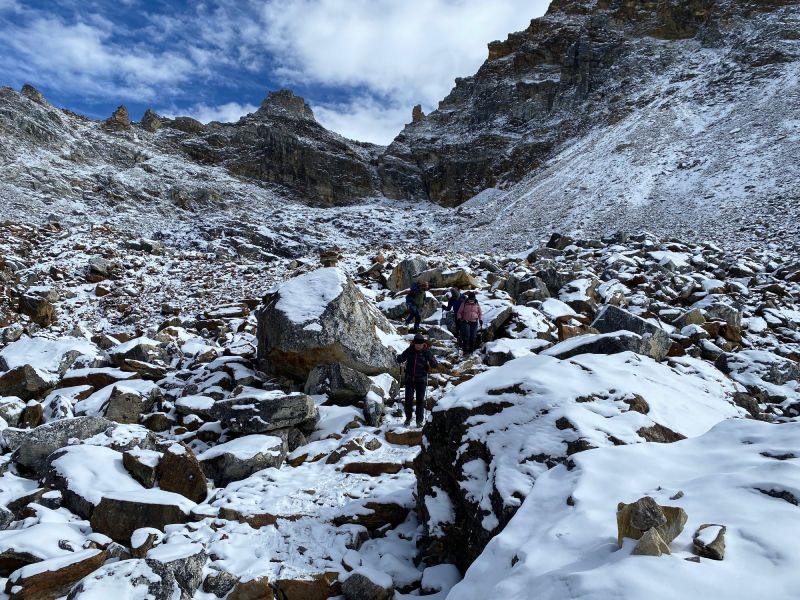
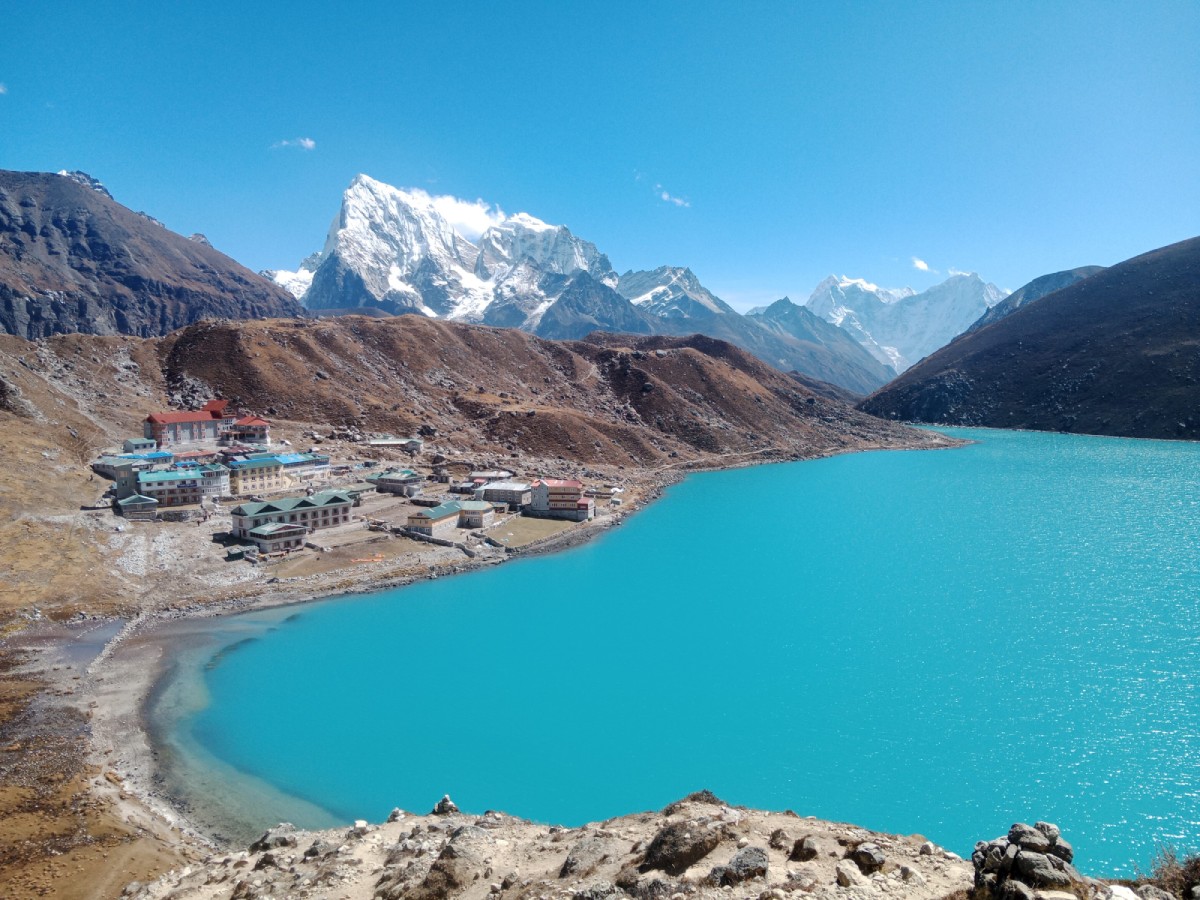
The Renjo La Pass route starts right from the peaceful lakeside village of Gokyo, and honestly, it feels very different from the busier Everest trails. You begin with a gradual climb out of the valley, walking past those iconic turquoise Gokyo Lakes with wide-open mountain views all around.
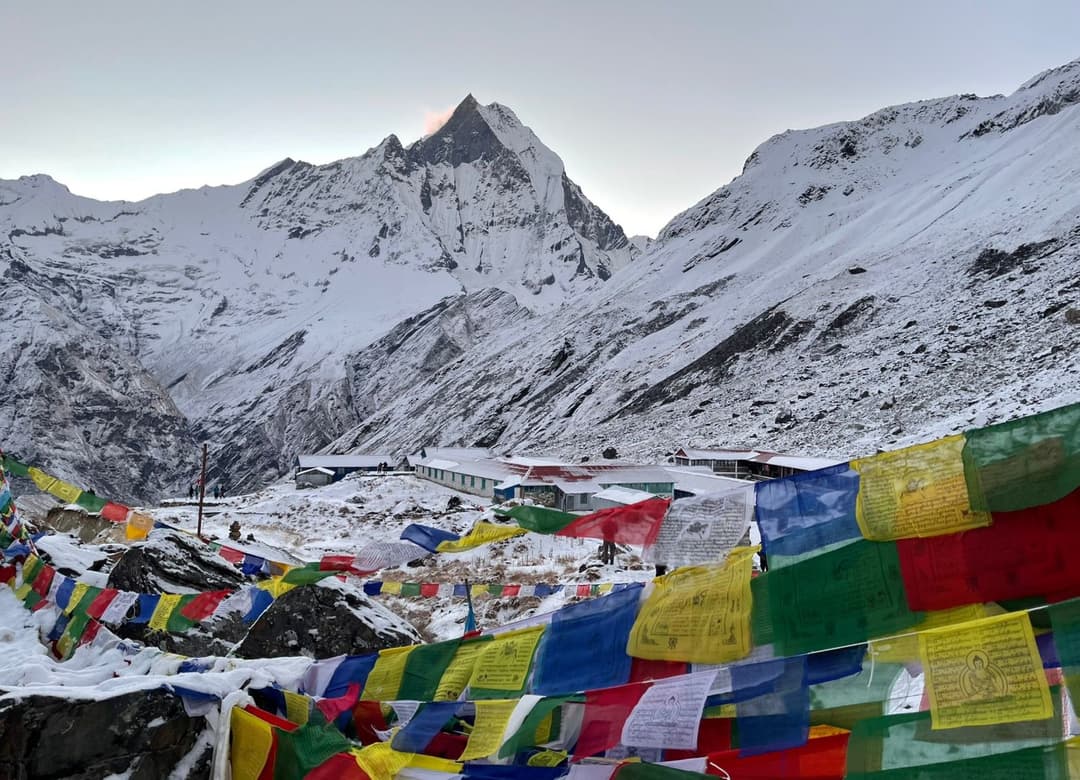
As you gain altitude, the trail becomes slightly steeper, but remains steady and manageable. The final push to the pass can feel long, and once you reach the top, it's usually quite windy, with prayer flags fluttering and massive Himalayan views opening up in every direction. It's one of those moments where you just stop and take it all in.
From there, the journey takes a completely different turn. You start a long descent toward Thame, passing through quiet valleys and remote landscapes that feel untouched.
Compared to other parts of the Everest Circuit Trek, this section is noticeably more peaceful, with fewer trekkers, more silence, and a stronger connection with the surroundings. If you want to see how it fits into the full journey, check out the Everest Three High Passes Trek itinerary, which breaks down the entire route step by step.
What The Crossing Day Feels Like
A typical crossing day of Renjo La Pass usually starts early, really early. You leave Gokyo while it's still quiet and cold, with just the sound of boots on the trail and the first light slowly hitting the mountains. It isn't a rush, though you just settle into a steady rhythm and keep moving upward.
The climb feels gradual at first, giving you time to adjust to the altitude. As you go higher, the air gets thinner, and you'll notice yourself slowing down naturally. That's completely normal in high altitude trekking in Nepal; it's more about pacing than speed.
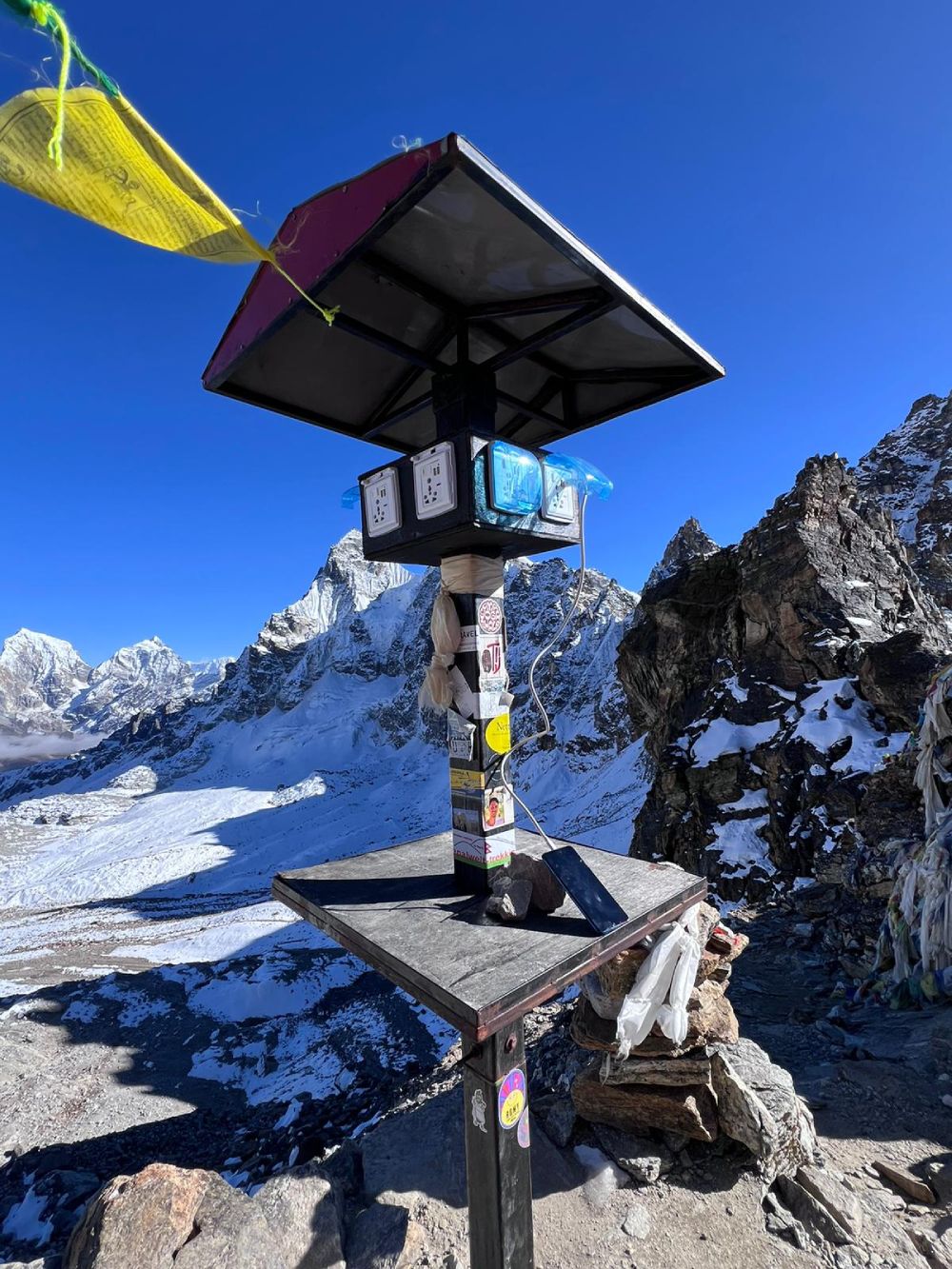
When you finally reach the top, the wind usually kicks in, and it can get pretty chilly. But honestly, that moment makes it all worth it. Prayer flags, wide mountain views, and that quiet feeling of standing at over 5,000 m (16404.2 ft), it hits differently.
Then comes the descent, and this is where things feel more relaxed. The trail opens up into long, scenic valleys as you head down toward Thame. It's a calm, peaceful, and perfect way to end what feels like a full, memorable day in the Himalayas.
How Much Time Should You Plan For This Pass
When planning your day, the trekking time to Renjo La Pass usually falls somewhere between 6 and 9 hours. It's not about rushing from point A to B; the pace naturally slows down because of the altitude, especially as you get closer to the top.
That said, the actual time can vary a lot depending on your walking speed, weather conditions, and how often you stop to rest or enjoy the views. On clear days, you might move more comfortably, while wind or cold can slow things down a bit.
Compared to other high passes, the overall flow here feels a bit smoother, making this section easier to manage mentally. It's still a long day, no doubt, but one that feels more steady and less intense than the tougher crossings.
Best Time To Cross Renjo La Pass
If you're wondering about the best time for crossing Renjo La, it really comes down to understanding the different trekking seasons in the Everest Region and how they affect the trail.
Spring (March To May)
Spring is a solid choice. The weather is generally stable, the skies are clear, and the trail feels alive with blooming rhododendrons. It's a great balance of good conditions and beautiful scenery.
Autumn (September To November)
This is often considered the best season overall. You get crisp air, crystal-clear mountain views, and very reliable weather, perfect for crossing a high pass like this.
Winter (December To February)
Winter is possible, but it's risky. Heavy snow and freezing temperatures can block the pass or make it more dangerous than usual.
Monsoon (June To August)
This is the least recommended time. Rain, clouds, and slippery trails make the crossing uncomfortable and limit visibility.
For the best experience, stick to spring and autumn. They offer the safest conditions, best views, and the most enjoyable trekking experience across Renjo La.
Staying Safe While Crossing Renjo La
Crossing a high pass like this isn't about speed; it's about being smart with your decisions. These safety tips for crossing Renjo La Pass can make your day much smoother.
- Start early: Mornings are usually calmer, with clearer skies and less wind. Plus, you give yourself enough time to cross comfortably without rushing.
- Protect yourself from the wind: The top can get seriously windy, so keep your layers ready. A good jacket, gloves, and something to cover your face can make a big difference.
- Stay hydrated: Even if you don't feel thirsty, keep sipping water. At high altitude, your body loses fluids faster, and dehydration can make things harder.
- Go slow and steady: This is one of the most important high altitude trekking tips. Don't try to rush. A steady pace helps your body adjust and keeps your energy consistent.
- Check the weather: Conditions can change quickly in the mountains, so always have a quick look before starting your day.
At the end of the day, it's simple: walk smart, listen to your body, and enjoy the experience. That's the real key to crossing Renjo La safely.
What Makes Renjo La Different From Kongma And Cho La
When you look at the Renjo La vs Cho La vs Kongma La comparison, each pass has its own personality, but Renjo La stands out in a few clear ways. First, it's generally easier than Kongma La, which is the highest and most physically demanding pass with a more rugged and remote trail.
Second, Renjo La is often considered more scenic than Cho La, especially due to those wide-open views over the Gokyo Lakes and surrounding peaks. And finally, it's less crowded than both, which gives it a more peaceful and relaxed vibe compared to the busier sections of the Everest route.
In simple terms, if you're thinking about the passes comparison in the Everest Region, Renjo feels like the perfect balance, less intense than Kongma, and less technical than Cho. Thus, it's easily one of the most beautiful crossings in the entire region.
Final Thoughts
Renjo La Pass might not be the toughest crossing in the Khumbu Region, but that's exactly what makes it so enjoyable. Compared to the other passes, it feels more balanced, still high, still challenging, but without the same level of intensity or technical stress.
What really stays with you, though, is the experience. From the wide-open views above Gokyo to the quiet descent toward Thame, it feels more peaceful and less rushed than other parts of the trek. If you're looking for a high pass that combines adventure with calm, Renjo La Trek delivers a truly scenic and memorable Himalayan journey.