Introduction
The Upper Mustang Trek feels like stepping into a land hidden behind the Himalayas, where time seems to move differently. It takes you into one of the most isolated and fascinating regions of Nepal, often called the “Forbidden Kingdom.”
The moment you enter the area, the scenery changes completely. Dry cliffs, deep canyons, and wide open desert valleys replace the green hills most people expect in the country. The culture here feels just as unique, with strong Tibetan influences still alive in daily life, from the houses to the monasteries.
Because Upper Mustang is a restricted area, only a limited number of trekkers visit each year, which keeps it peaceful and untouched. In this guide, you'll find everything you need before planning the journey, including cost, permits, difficulty, best time, and a simple itinerary overview.
Now let's start with what actually makes this place so different from anywhere else in Nepal. Read till the end and make your future journey here convenient.
What Is The Upper Mustang Trek
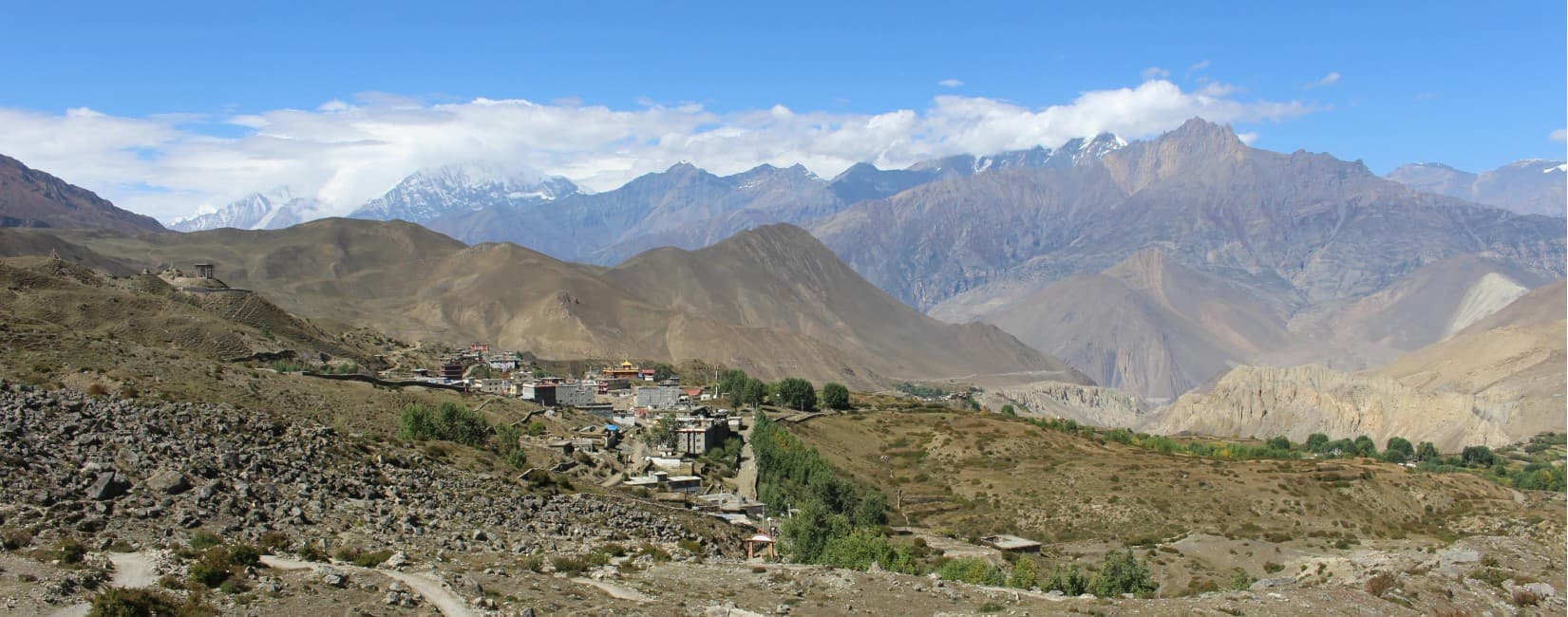
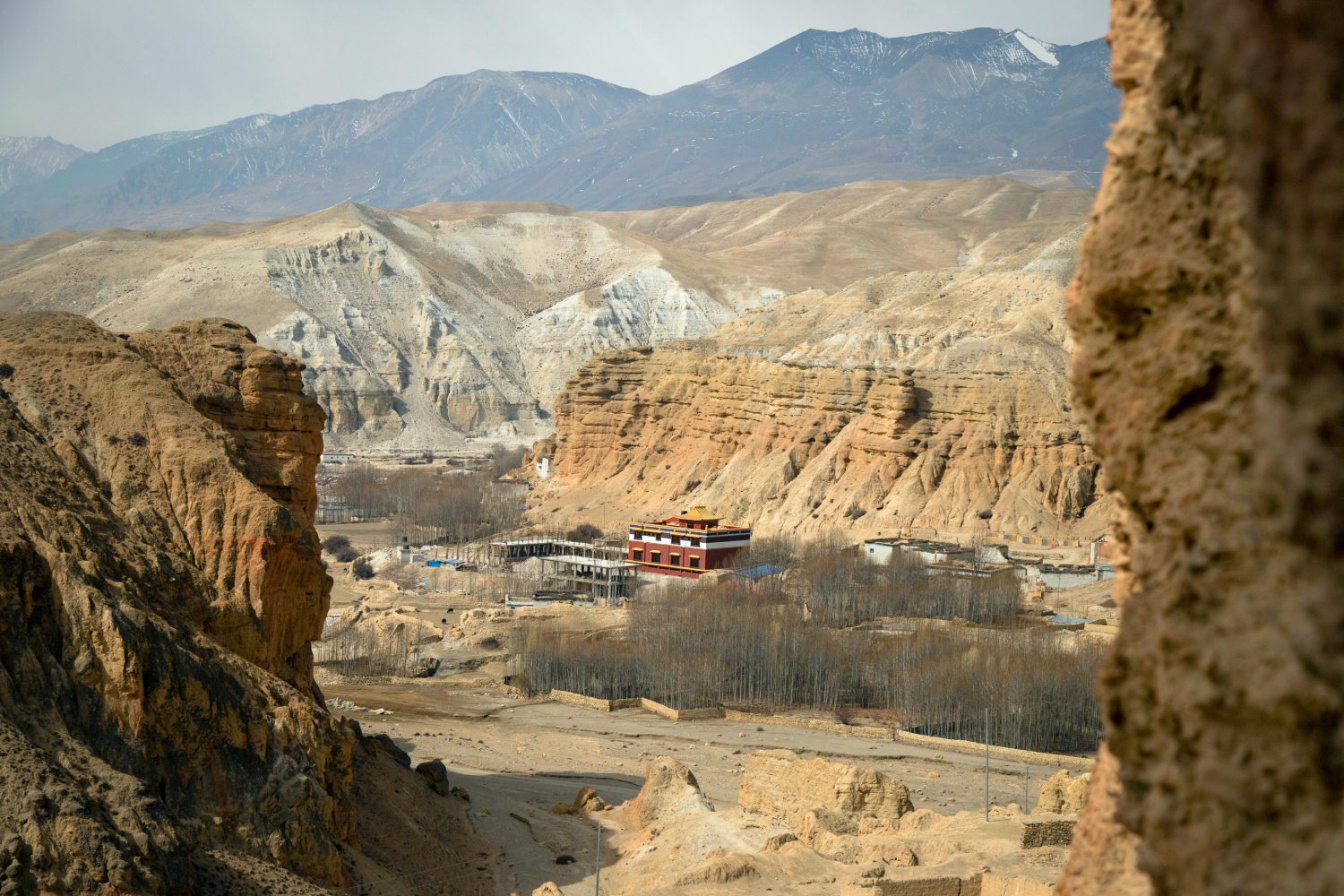
The Upper Mustang Trek is a journey into the far northwestern part of Nepal, right near the border with Tibet. This region sits in the rain shadow of the Annapurna and Dhaulagiri ranges, which is why it feels completely different from the green, forested trails most people imagine when they think of this country. The trekking route takes you through a dry, windy valley filled with cliffs, canyons, and wide open desert-like landscapes.
Unlike other trekking regions, Upper Mustang has a very strong connection with ancient Tibetan culture. The old Lo Kingdom, also known as the Upper Mustang Kingdom in Nepal, once ruled this area as an independent region. Even today, you'll still see that history alive in the monasteries, prayer flags, and traditional villages along the trail.
The main settlement here is Lo Manthang, sitting at around 3,800 m (12,467 ft), surrounded by stone walls and centuries-old culture. Until 1992, this whole region was closed to outsiders, which is why it still feels so untouched and well-preserved today.
Even today, you aren't allowed to enter the Upper Mustang on your own. You must hire a licensed guide, have at least two people in your group, and obtain a restricted area permit (RAP), making it one of the country's most protected trekking regions. Due to this long isolation, it remains one of the most unique trekking experiences in Nepal, where culture and landscape both feel frozen in time.
Why Is Upper Mustang Called The “Forbidden Kingdom”
Upper Mustang is often called the “Forbidden Kingdom” because, for a long time, it actually was one. This region, also known as the restricted area, was completely closed to outsiders until 1992. Even after it opened, access has remained tightly controlled with special permits, which is why the name still feels so fitting today.
Because very few people were allowed to enter for decades, life here developed in isolation. That isolation helped preserve the local Tibetan-influenced culture almost exactly as it was hundreds of years ago. The language, monasteries, and traditional lifestyle still feel untouched, like they've quietly survived the passage of time.
At the centre of it all is Lo Manthang, a walled settlement that once served as the capital of the old kingdom. When you step inside, it doesn't feel like a regular village at all; it feels quiet, enclosed, and deeply historic, like a place that still carries the memory of its royal past.
And that's really why people still call it the Forbidden Kingdom in Nepal. Not because it's scary or unreachable, but because it feels like a hidden world that stayed protected for centuries, where nothing has really changed, and everything still feels beautifully frozen in time.
Trek Highlights
The highlights of the Upper Mustang trek are what make this journey feel so different from anywhere else in Nepal. Every turn on the trail feels like you're walking through a mix of raw desert landscapes, ancient culture, and quiet mountain villages that still feel untouched by time.
- Lo Manthang: A walled ancient city sitting around 3,800 m (12,467 ft), where narrow alleys, old monasteries, and stone houses give a real “lost kingdom” feeling.
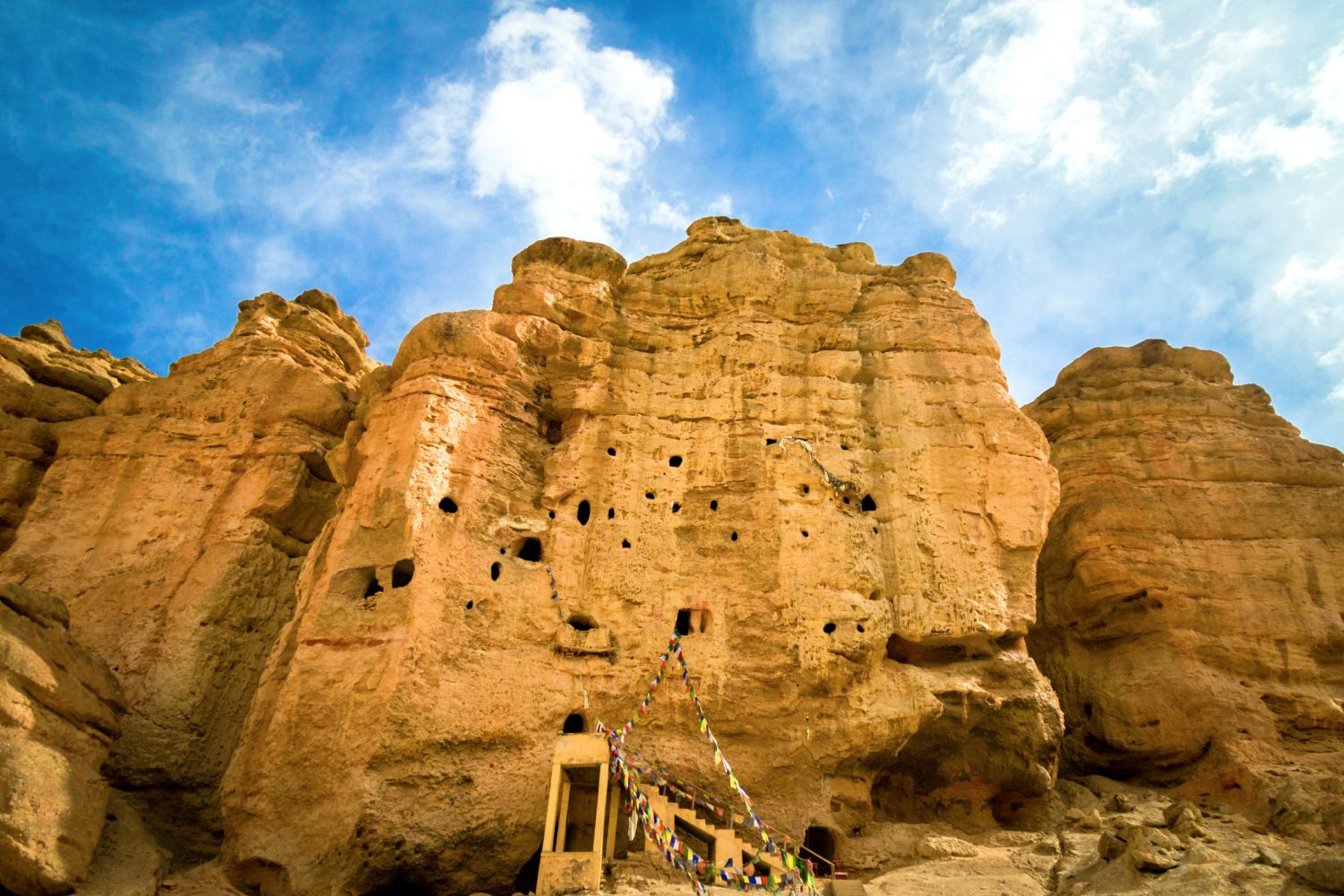
- Sky caves: Huge cliffside caves carved into steep red walls, looking mysterious and almost unreal when you see them in person.
- Kali Gandaki Gorge: One of the deepest gorges in the world, where the trail runs through a massive, windy valley between dramatic Himalayan landscapes.
- Tibetan monasteries: Peaceful, centuries-old monasteries where prayer flags, chants, and murals still keep the spiritual culture alive.
- Desert valleys and cliffs: Wide, open landscapes with dusty trails, colourful rock layers, and endless mountain silence all around.
- Tiji Festival: A vibrant local festival in Lo Manthang with masked dances and traditional rituals that bring the whole town to life.
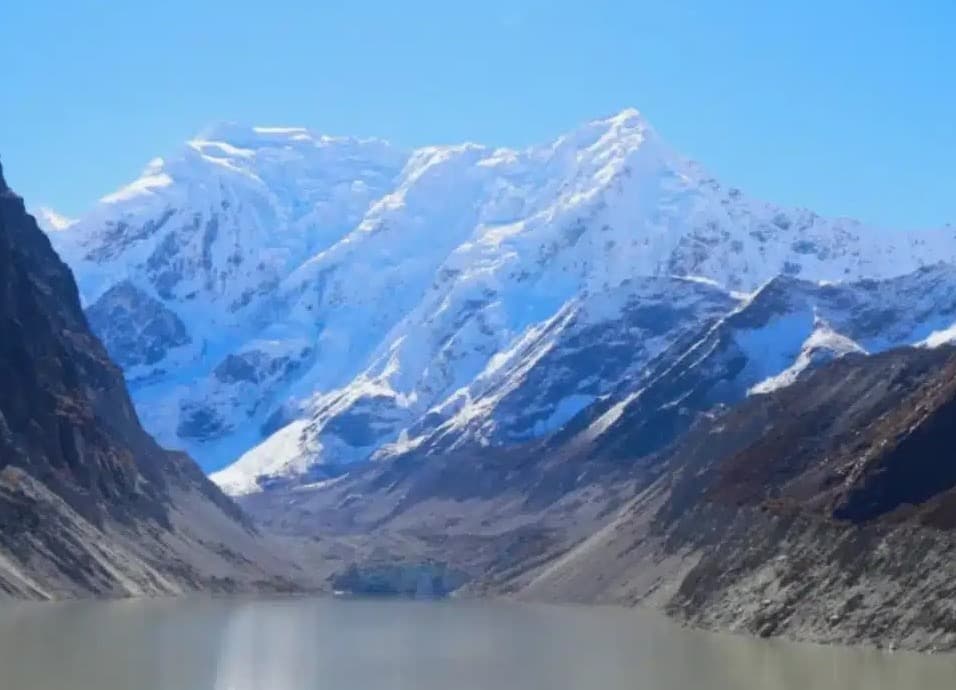
- Himalayan views: Stunning snow-covered peaks, such as Nilgiri and Dhaulagiri, that suddenly appear above the dry valleys, creating a powerful contrast.
These highlights don't just look beautiful, they feel like stepping into a completely different world where nature and culture are deeply connected.
How Difficult Is The Journey
The journey is generally considered moderate, so the overall difficulty level of the Upper Mustang Trek is manageable for most people with decent fitness. It's not a technical climb, and you don't need mountaineering experience, yet it still comes with a few challenges that you should be prepared for.
One of the main factors is altitude. Most of the journey takes place above 3,000 m (9,842 ft), with places like Lo Manthang sitting around 3,800 m (12,467 ft). Since this is a form of trekking at high altitude in Nepal, the thinner air can feel noticeable, especially if it's your first time in the Himalayas.
The terrain also adds to the challenge. The trails are usually dry, dusty, and windy, with long open valleys and rocky paths instead of forested routes. Afternoon winds in Mustang can sometimes make the walk feel more tiring than expected.
On average, you'll walk around 5 to 7 hours a day, depending on the itinerary and trail conditions. Some days feel easier, while others involve longer uphill and downhill sections.
The good thing is that you don't need extreme fitness for this trek. Basic to moderate physical fitness, regular walking habits, and a little preparation before the trip are usually enough. Even first-time trekkers can comfortably complete the journey if they go at a steady pace and give their bodies time to adjust to the altitude.
Best Time For Upper Mustang Trek
The best time to trek in Upper Mustang is quite flexible compared to many other treks in Nepal because this region lies in a rain-shadow zone behind the Annapurna and Dhaulagiri ranges. This means the weather conditions in the area stay relatively dry even when other parts of Nepal are getting heavy monsoon rain.
Spring (March To May)
It's a really nice time to go. The skies are usually clear, temperatures feel comfortable during the day, and visibility is great for mountain views and photography. The landscape also looks fresh without being too cold or too crowded.
Autumn (September To November)
This season is the most popular window. The weather is stable, the skies are crystal clear, and trekking conditions are at their most comfortable. This is when most trekkers head to Upper Mustang, so the trails feel lively, which may cause the place to get a bit crowded.
Monsoon (June To August)
The season surprises many people because Upper Mustang is still possible to trek during this time. Thanks to its dry climate, the region stays much less affected by rainfall, so the trails remain accessible while the rest of the country is wet and muddy.
However, the flight to Jomsom from any other place or the highway may be affected by frequent rain, making it difficult to reach the area for trekking. Hence, despite the region being located in a rain-shadow zone, it's still not the ideal season as much as spring and autumn.
Winter (December To February)
It's the least recommended period. It gets very cold, windy, and in some areas, there may be limited access due to harsh weather conditions. Only experienced trekkers usually choose this season.
Overall, the most recommended months are April to May and September to October, when the weather is stable, and the trekking experience feels most comfortable. If you're planning your journey to experience local culture, spring is also special because of the famous Tiji Festival. You can enjoy it along with the trek through our Upper Mustang Trek package, or even join the dedicated Tiji Festival package for a deeper cultural experience.
Permit Requirements
Upper Mustang is a restricted area, so you can't just show up and start walking like in some other regions. You need a few official permits, and everything has to be arranged properly before the trek begins. This is part of the permit rules for the restricted area in Nepal , and it helps control tourism in this sensitive region.
Here are the main permits you'll need:
- Restricted Area Permit (RAP): This is the main permit that allows you to enter Upper Mustang beyond Kagbeni.
- Annapurna Conservation Area Permit (ACAP): This covers the Annapurna Conservation Area, which you pass through on the way to Upper Mustang.
Since the region falls under the category of a restricted area, a licensed guide is also required for the trek, and the entire process is handled through a registered trekking agency. You don't apply for these permits on your own. Your agency usually arranges everything once you provide your passport and travel details.
There's also usually a minimum group requirement for restricted area treks, which is at least two people in a group, excluding a guide. If you're a solo trekker but still want to go trekking, you can enjoy this trek by joining another group set up by the agency, paying adjusted permit fees.
The key thing to remember is simple: everything must go through a registered company, from permits to paperwork. It makes the whole process smoother and ensures you're legally cleared to enter the region. If you're planning ahead, it's always better to discuss the cost of the permit for the Upper Mustang Trek with your trekking company early, so there are no surprises later.
Cost Overview
The costs for trekking in Upper Mustang are usually a bit higher compared to other treks in the country, and that's mainly because it's a restricted area where everything has to be properly arranged through a registered agency. On average, you'll see packages starting from a budget range and going up to more comfortable or premium options, depending on the services included. In general, the overall price of the trekking package in Nepal for Upper Mustang is based on how simple or organised your trip is.
What really affects the cost is a mix of things. The biggest factor is the RAP, followed by guide and porter (optional) services, transportation (like flights or jeep rides to Jomsom), accommodation style, and even the trekking season you choose. Each of these adds a different level of comfort and price to the overall package.
The cost also varies depending on whether you join a group or go for a private trek. Group trips are usually more budget-friendly because costs are shared, while private treks give you more freedom and flexibility but naturally cost more. If you want a hassle-free experience where everything is already sorted, permits, guides, transport, and accommodation, you can simply go with a well-organised package.
Itinerary Overview
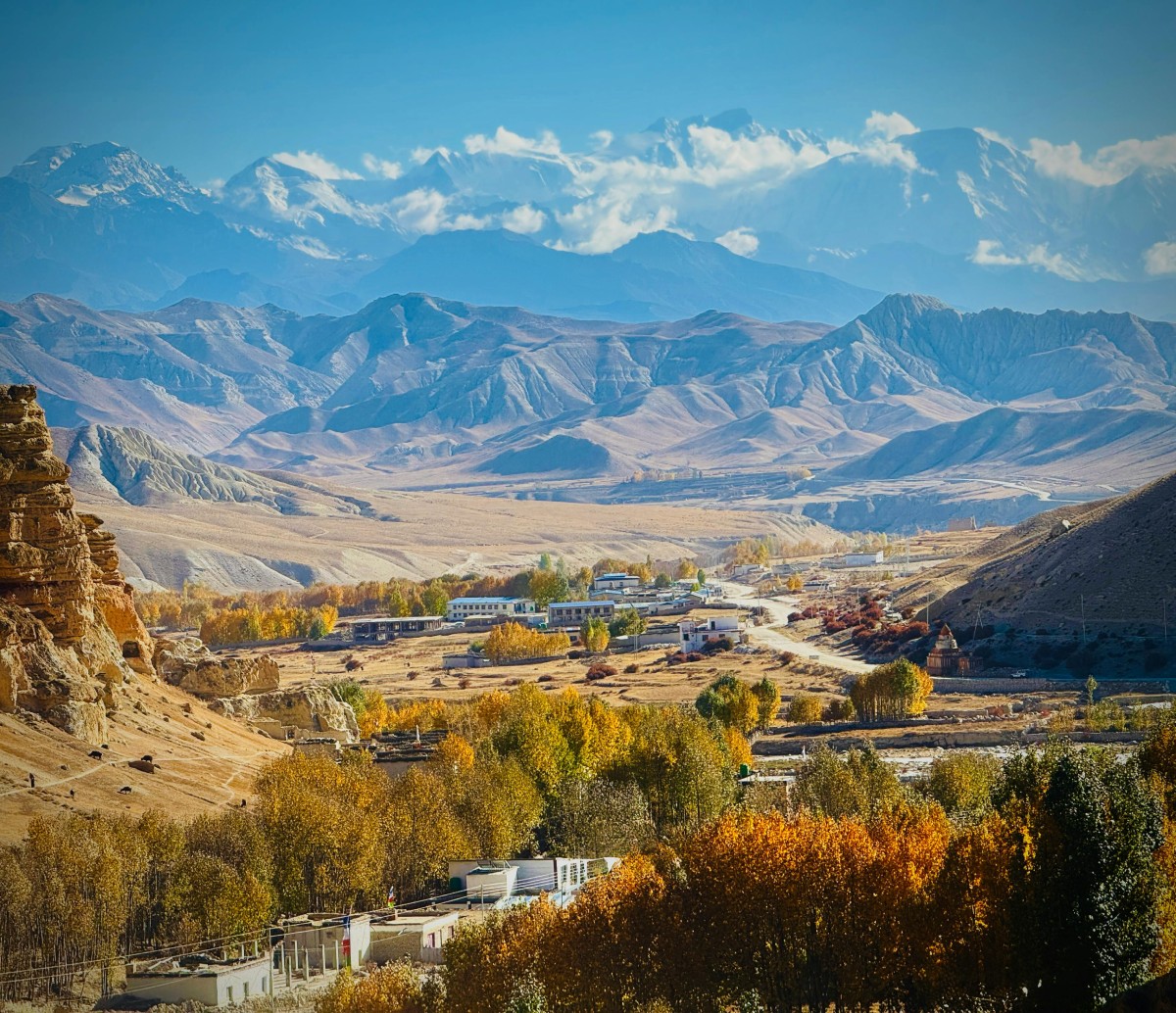
The itinerary for the Upper Mustang Trek usually takes around 16 to 18 days, depending on the route, walking pace, and how much time you spend exploring places like Lo Manthang. It's a gradual journey that slowly takes you deeper into one of the most remote regions of Nepal.
In general, the trekking route to Lo Manthang follows a pretty clear flow like this:
Kathmandu - Pokhara - Jomsom - Kagbeni - Chele - Syangboche - Ghami - Tsarang - Lo Manthang - return the same way.
This route slowly moves from busy towns into dry mountain valleys and finally into the ancient walled city of Lo Manthang. Each day feels like a small shift in landscape and culture, which is what makes the journey so special.
Of course, the exact itinerary can change depending on the trekking company, weather conditions, or whether you want extra acclimatization days. Some itineraries also include small detours to nearby villages or viewpoints to make the experience more relaxed.
One important thing to keep in mind is acclimatization. Even though the trail isn't extremely technical, you're still going into high altitude areas, so a steady pace and proper rest days really help you enjoy the trek without rushing. If you want a more detailed day-by-day breakdown, you can check our Upper Mustang Trek package, where we've designed a complete itinerary with everything properly planned for you.
Accommodation & Food During Trek
During this journey, accommodation is quite simple but actually very comfortable for the kind of remote region you're exploring. Most places along the trail offer basic teahouses run by local families, where you'll get a warm place to sleep after a long day of walking.
Rooms are usually clean, with twin beds, warm blankets, and just enough space to rest properly. In some villages, you may also need to use shared bathrooms, which is very normal in this region and part of the authentic trekking experience.
When it comes to food in the Upper Mustang trek, you'll find a good mix of Nepali and Tibetan-style meals. The most common option is dal bhat, which is fresh, filling, and gives you plenty of energy for trekking days. Along with that, you'll also get noodles, soups, fried rice, momo, and simple breakfast items like eggs, bread, and porridge.
Don't expect luxury hotels or fancy dining, as Upper Mustang is still a remote area. Nevertheless, what you do get is warm hospitality, freshly cooked food, and a very local experience that feels real and connected to the place. Overall, it's not about comfort in a luxury sense; it's about simple living, good food, and staying in local homes that make the journey feel more personal and memorable.
How To Reach The Trek's Starting Point
If you're planning the Upper Mustang Trek, the journey usually starts from Kathmandu, and the travel route is pretty straightforward once you understand the flow. The main idea is to gradually move from the capital city into the remote Himalayan valleys of Mustang.
First, you travel from Kathmandu to Pokhara, which is either a short flight or a scenic road trip. Pokhara is the main tourist hub and acts as the gateway to the Annapurna and Mustang Regions.
From Pokhara, the next step is getting to Jomsom, which is the real entry point for Upper Mustang. You can either take a short flight (around 15 to 20 minutes) or travel by local vehicle, depending on your budget and weather conditions. This is the most important connection in the entire trip.
Once you reach Jomsom, the trekking section officially begins. From here, the journey continues through the route from Jomsom to Lo Manthang, passing places like Kagbeni, which is the checkpoint for the restricted area.
One important thing is that flights to Jomsom depend heavily on weather conditions, so delays or cancellations are common, especially in windy or cloudy days. That's why many trekkers keep a flexible buffer day in their itinerary.
Why Choose A Guided Upper Mustang Trek
Choosing a guided trek in Upper Mustang isn't just about comfort; it's actually a practical part of the journey. Since this is a restricted area trek, a licensed guide is a must. This is part of the official system that manages the area and ensures trekkers are properly registered.
For trekking in the Mustang Region in Nepal, a guide also makes the experience much safer and smoother. The trails here are remote, with wide desert valleys and isolated sections where navigation can get confusing, especially for first-time visitors. Consequently, having someone local helps you stay on the right route without stress.
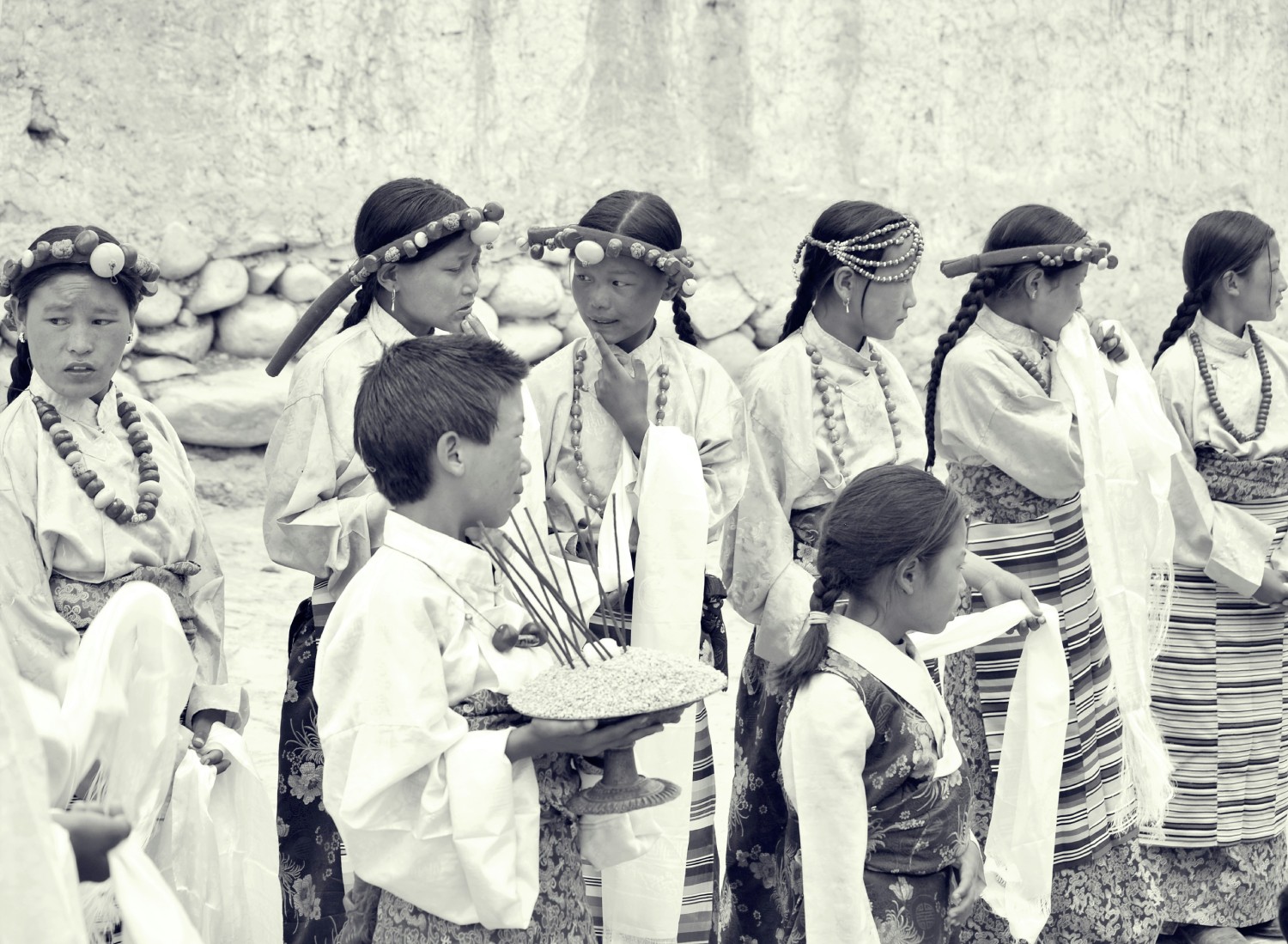
Beyond safety, a guide also adds cultural depth to the journey. Upper Mustang is rich in Tibetan-influenced traditions, you know, and many small details, such as monasteries, villages, and local customs, make more sense when someone explains them along the way. It turns the trek into more than just walking; it becomes a learning experience.
Logistics is another big advantage. With a guided setup, things such as food stops, accommodation, permits, and transport transitions are already handled. You don't need to worry about coordination in such a remote area, which lets you focus fully on the trek itself.
Conclusion
The Upper Mustang Trek is one of those journeys that quietly stays with you long after you've left the trail. It's not just about walking through mountains; it's also about entering a completely different world where everything feels slower, older, and deeply rooted in tradition. The landscapes shift into a dry Himalayan desert, and the villages still hold onto centuries-old culture in a way you don't really see anywhere else.
What makes this place so special is the feeling of isolation mixed with rich culture. One moment you're walking through endless cliffs and open valleys, and the next you're sitting inside a centuries-old monastery or a quiet village in Lo Manthang, surrounded by prayer flags and history.
If you're looking for a true Himalayan cultural trek in Nepal, this is one of those rare experiences that feels both peaceful and powerful at the same time. It isn't just a trek; it's a memory that stays with you forever.