Not sure whether to choose the Everest Base Camp (EBC) Trek or the Three High Passes Trek? You aren't alone. This is one of the biggest decisions trekkers face when planning an adventure in Nepal.
This Everest Base Camp vs Three High Passes Trek comparison will help you clearly understand which trek suits you better. While both routes take you deep into the Khumbu Region and offer incredible Himalayan views, they deliver very different experiences: one is a classic and more accessible journey, and the other is a longer, more demanding adventure with greater rewards .
In this Everest trekking comparison, we'll break down everything that matters: difficulty, route, duration, cost, and overall experience, so you can confidently choose the right trek for your goals. Let's break it down step by step.
Everest Base Camp Vs Three High Passes Trek – Quick Overview
When comparing the Everest Base Camp Trek and the Three Passes Trek, the main difference comes down to simplicity versus adventure. Both are amazing, but they offer very different trekking routes in the Everest Region.
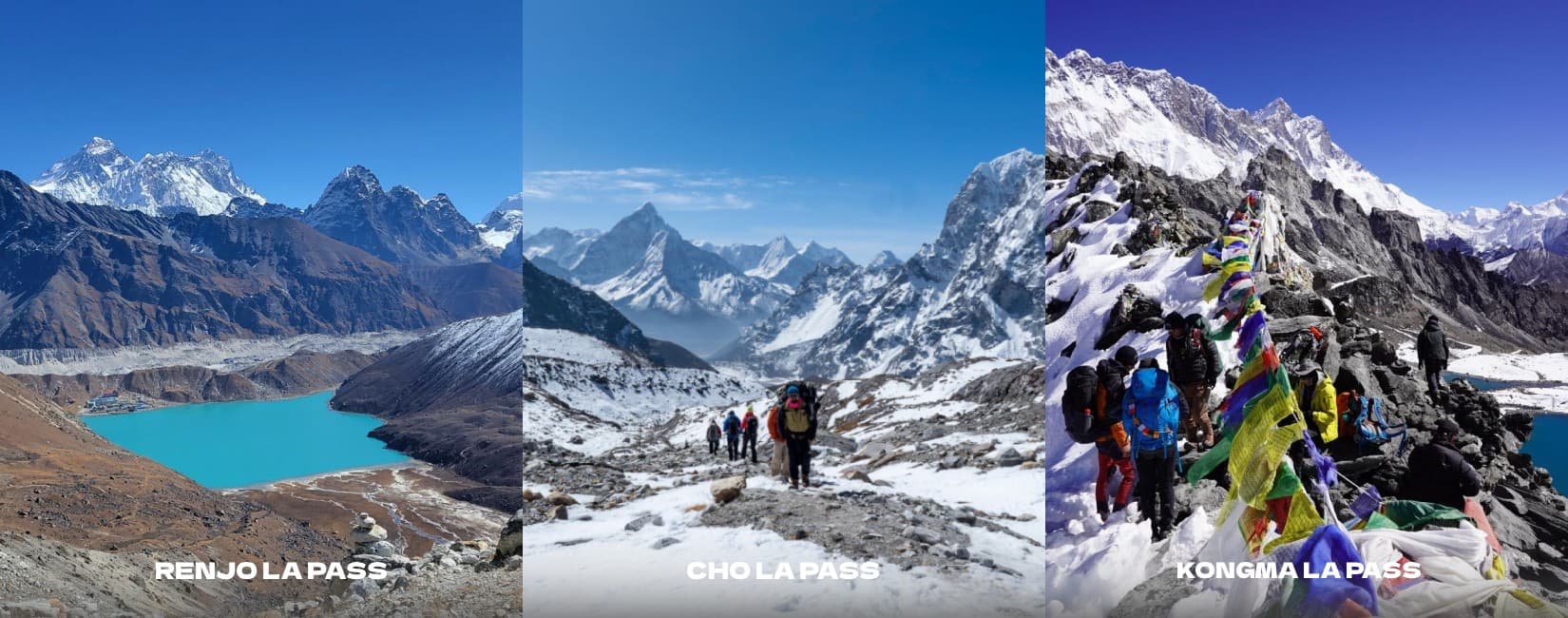
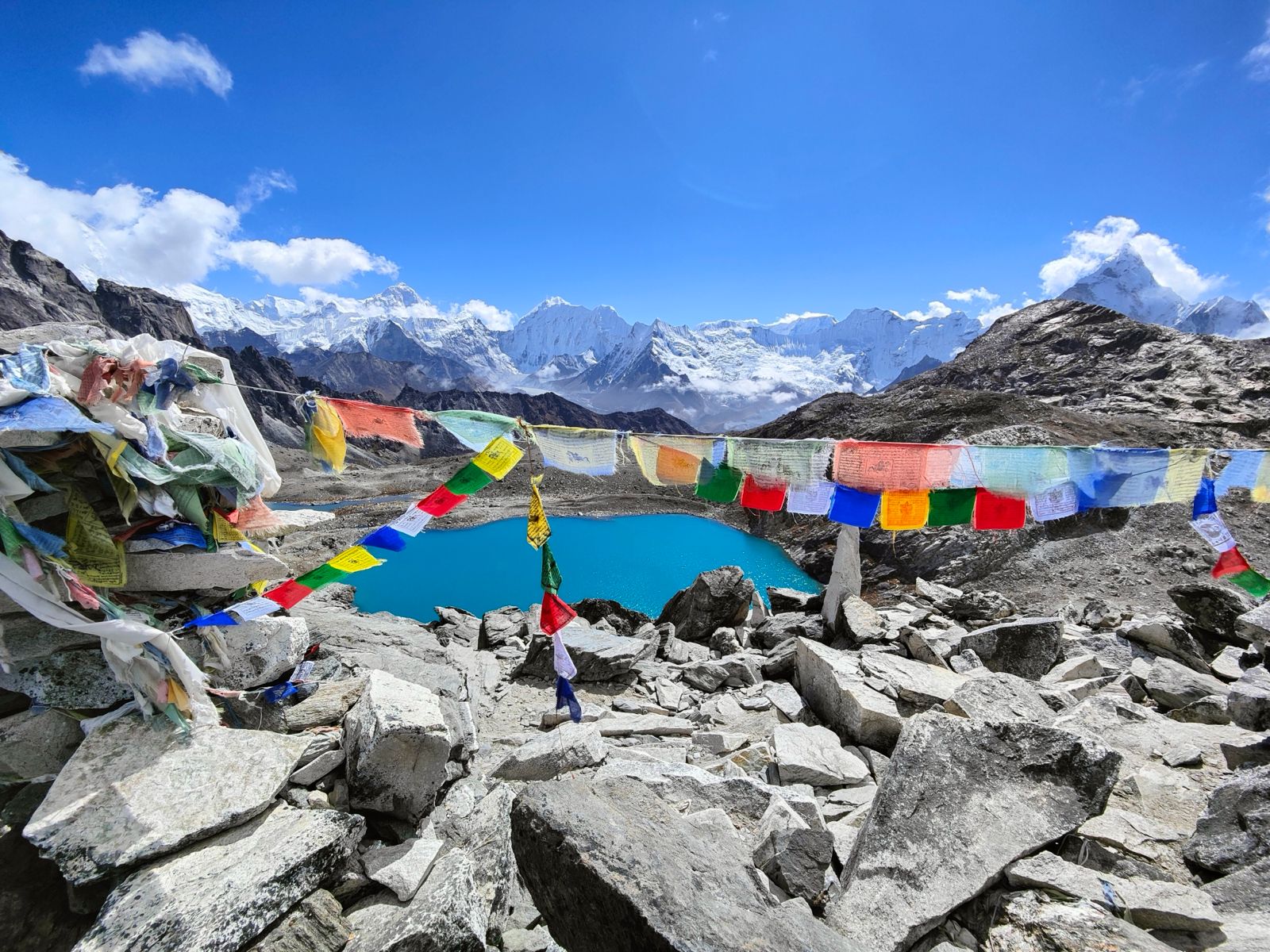
The EBC Trek is a classic out-and-back journey that takes you to the base of Mount Everest along a well-established trail, making it suitable for trekkers with moderate fitness. The Three High Passes Trek, on the other hand, is a high-altitude circuit that includes the EBC route but goes further, crossing three major passes above 5,000 m and exploring more remote parts of the region.
In simple terms:
- EBC Trek: Classic, easier, more popular
- Three Passes Trek: Challenging, full circuit, more adventurous
If you just need a quick answer, this is it. However, let's break it down further so you can choose the right trek confidently.
Key Differences Between Everest Base Camp And Three High Passes Trek
Trying to figure out the difference between EBC and the Three Passes Trek? Don't worry, we've got you covered. Both treks are amazing, but they're totally different experiences.
Here's a quick EBC vs Three Passes comparison to help you choose:
| Features | EBC Trek | Three Passes Trek |
| Route Type | Classic, well designed trail with lots of tea houses | Remote, High-altitude passes, More challenging |
| Difficulty | Moderate - Challenging | Challenging for experienced trekkers |
| Duration | 14 Days | 21 Days |
| Higher Altitude | Kalapatthar (5,545m/18,192ft.) | Kongma La Pass (5.535m / 18,159ft.) |
| Crowd Level | Busy, especially in peak season | Fewer trekkers, more peaceful |
| Experience | Stunning Everest views, Local villages, Cultural vibes | Epic adventure crossing three passes, breathtaking remote landscapes |
So basically, if you're looking for a bit easier routes and more teahouses, go for the classic Everest Trek. But if your heart beats for high-altitude adventure, remote trails, and fewer crowds, the Three High Passes Trek is the ultimate choice.
Difficulty Comparison
If you're wondering about the difficulty of Everest Base Camp and Three Passes, here's the straight answer: Trekking to Three Passes is significantly more challenging.
Let's break it down:
- Altitude: The Three Passes Trek crosses three high passes above 5,000 m (16404.2 ft), which means less oxygen and a higher risk of altitude sickness. EBC, on the other hand, stays lower (up to 5,545 m at Kala Patthar), making it easier to handle.
- Terrain: The Three Passes route is rugged, with steep climbs, icy paths, and narrow passes. EBC has a well-marked, mostly moderate trail, so you can enjoy trekking without constantly worrying about tricky terrain.
- Duration: The Three Passes Trek has longer trekking days, which test both endurance and stamina. The Everest Trek is shorter, with moderate walking hours and plenty of rest stops.
In short, the Everest Trek is moderate to challenging, and the Three Passes Trek is challenging.
If you're planning for high-altitude trekking in the Khumbu Region, the EBC Trek is perfect for beginners or those looking for a classic Everest adventure. The Three Passes Trek is for those craving a serious challenge and epic Himalayan experience.
Route And Overall Experience
When you compare the Everest Three Passes route vs EBC, the way each trek feels on the ground is totally different, even though they both take you through the heart of the Khumbu region. The EBC Trek is an out and back route, meaning you follow the same trail up from Lukla to the base camp and back down again.
It's straight forward, familiar, and gives you a clear sense of progress toward one big destination: Everest Base Camp. You'll see glaciers, Sherpa villages, and famous landmarks like Kala Patthar, but you'll often be retracing your steps on the way home.
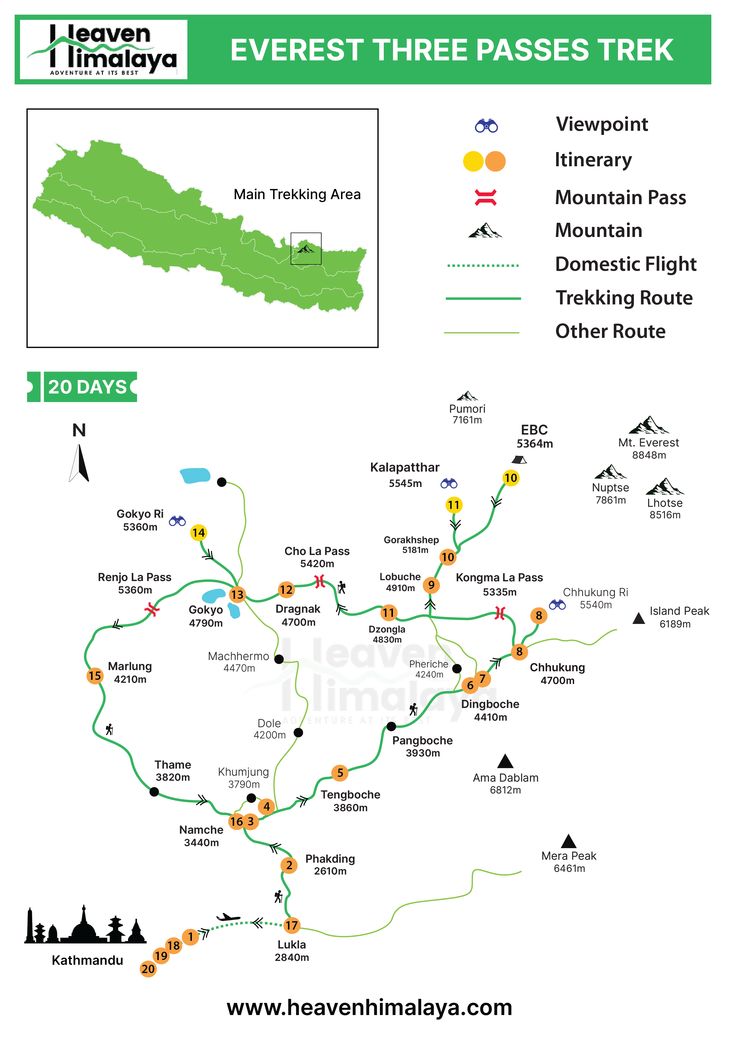
By contrast, the Three High Passes Trek is a loop, so almost every day brings a new trail to explore. After the classic part of the trail past Dingboche, you head off toward cool highlights like Gokyo Lakes and cross three towering passes before looping back. This provides a much broader exploration of the Everest region, moving through new scenery every day, and it feels like a more complete Himalayan adventure.
The EBC feels like a big hike to one famous spot. On the other hand, Three Passes feels like a full Everest Circuit Trek with ever changing views and landscapes.
Crowds And Trekking Experience
When it comes to the Everest Base Camp crowd vs the Three Passes, the vibe on the trail feels completely different. This section can help you decide which trek is right for you.
The EBC Trek is one of the most popular trekking routes in the world. So, yes, it can get pretty busy.
You'll be walking alongside trekkers from all over the globe, passing packed teahouses, and often sharing the trail with groups heading to the same destination. It's a social and lively experience, which is great if you enjoy meeting people and feeling that shared excitement.
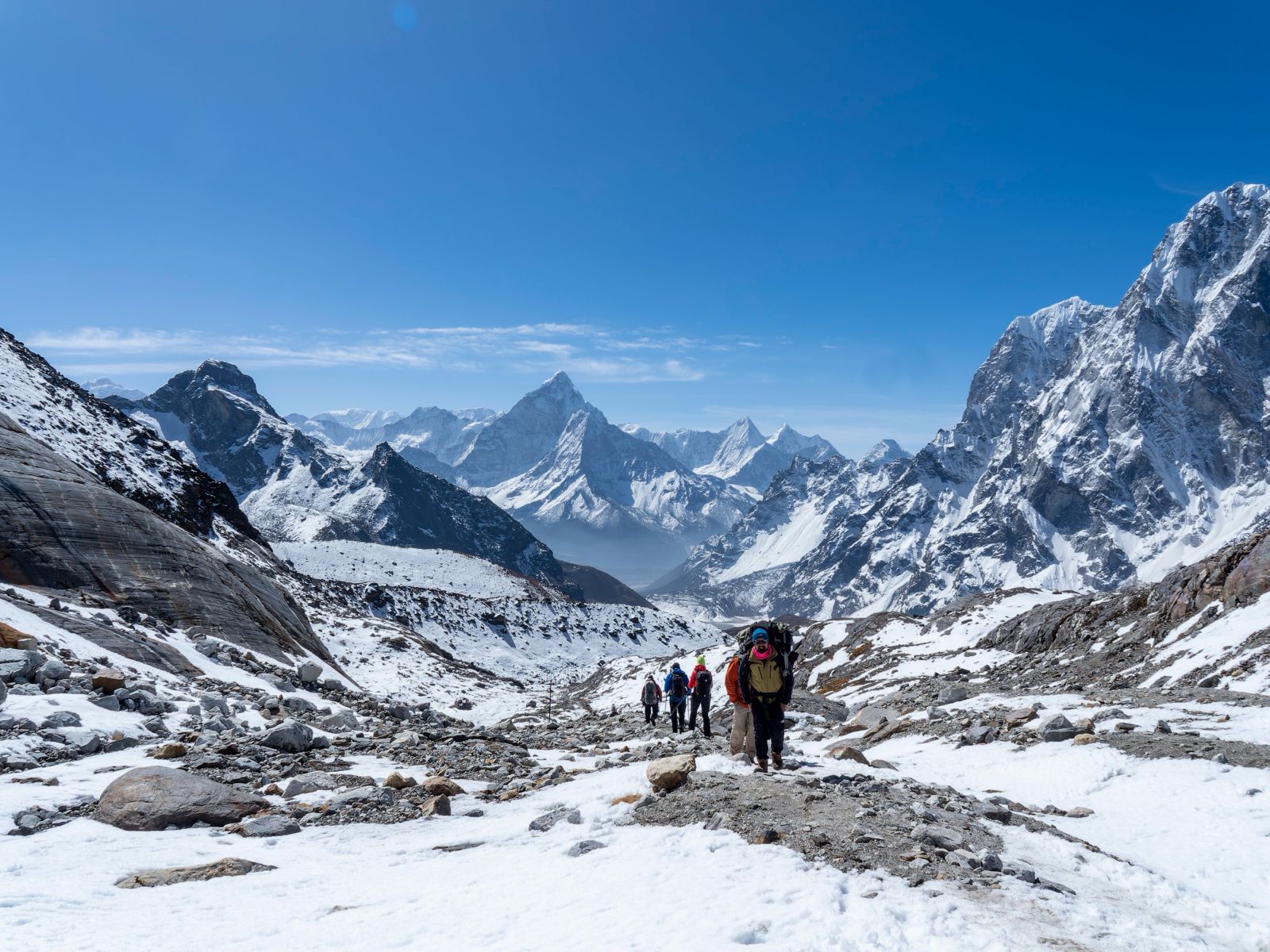
On the flip side, the Three High Passes Trek is much quieter. Since it's longer and more challenging, fewer people choose it, which means you'll often find yourself walking in silence with just the mountains around you. This is where you really feel the essence of remote trekking in Nepal: peaceful trails, less rush, and a deeper connection with the landscape.
In simple terms, EBC offers busy trails and social energy, while Three Passes offers peaceful adventure and more solitude. Therefore, it really comes down to your style: lively trekking experience or a quieter, more immersive journey.
Duration And Time Commitment
The duration of the Everest Three Passes and EBC is pretty clear right from the start. The EBC Trek usually takes around 14 days, making it a great option if you're short on time but still want that iconic Everest experience. It follows a more straightforward route with fewer detours.
On the other hand, the Three High Passes Trek takes about 20 days, sometimes even longer depending on your pace and acclimatisation needs. You might be wondering why the extra days? Simply, there's more distance to cover, plus three high passes above 5,000 m (16,404.2 ft) that require careful timing and rest.
So it's simple now, I guess, for deciding between two. If you're still leaning toward the longer route, check out the full breakdown in our Everest Three High Passes Trek guide to plan your timeline properly.
Cost Comparison
Regarding the cost of Everest Base Camp and Three Passes, there's a noticeable difference. It mostly comes down to how long and how complex the trek is.
For the EBC Trek, you're usually looking at a rough budget of around $1,200 to $1,500 for standard packages. Nevertheless, it can go higher depending on comfort and services. On the other hand, the Everest Three Passes trek typically starts a bit higher, often around $1,300 to $1,800+, and can increase further with upgrades.
The duration highly influences the price. More days on the trail mean more spending on food, accommodation, and daily logistics.
The Three Passes is longer than the EBC. Its route covers extra distance and remote areas, which naturally increases transportation and operational costs.
Another factor is logistics complexity. The Three Passes Trek involves crossing high-altitude passes, so it often requires better planning, experienced guides, and sometimes more acclimatisation days, again adding to the overall Everest Trek budget.
Speaking of guides, hiring one can significantly impact your cost. While EBC can be done relatively cheaply, adding a guide and porter (highly recommended for safety and ease) increases the total price on both routes, but even more so for the Three Passes due to its difficulty and length.
Who Should Choose Which Trek
Still confused about which trek in the Khumbu Region you should choose? Don't worry, this is where it gets super simple.
Choose EBC if:
- You're a beginner or doing your first high-altitude trek.
- You have limited time (around 10 to 14 days).
- You want the classic Everest experience (base camp with Kala Patthar views).
- You prefer a well-marked, popular trail with more facilities.
Honestly, it's the go-to choice for most trekkers. It's challenging, but still manageable with proper acclimatisation. If that sounds like you, you can check out a detailed itinerary here: Everest Base Camp Trek.
Choose Three Passes if:
- You're an experienced trekker with prior high-altitude exposure.
- You want a serious challenge.
- You prefer less crowded and more remote trails.
- You have extra time (20+ days).
- You want the complete Everest region experience (EBC + Gokyo + high passes).
This journey is perfect if you're chasing adventure, as it's longer, tougher, and way more immersive. So, ready for the challenge now? Explore the full route here: Three High Passes Trek.
Final Thoughts
If you just want to stand at Everest Base Camp, take in the views, and enjoy a once-in-a-lifetime journey, the EBC Trek is perfect. It's iconic for a reason.
But if you're the kind of person who wants more than just ticking a box, the Three High Passes Trek leads you to something deeper, more challenging, more solitude, and way more adventure. This isn't just a trek. It's the ultimate Everest adventure trek.